- AJ Products UK
- Inspiration
- Tips & trends
- How to prepare your warehouse for peak season: a UK guide for ecommerce businesses
How to prepare your warehouse for peak season: a UK guide for ecommerce businesses
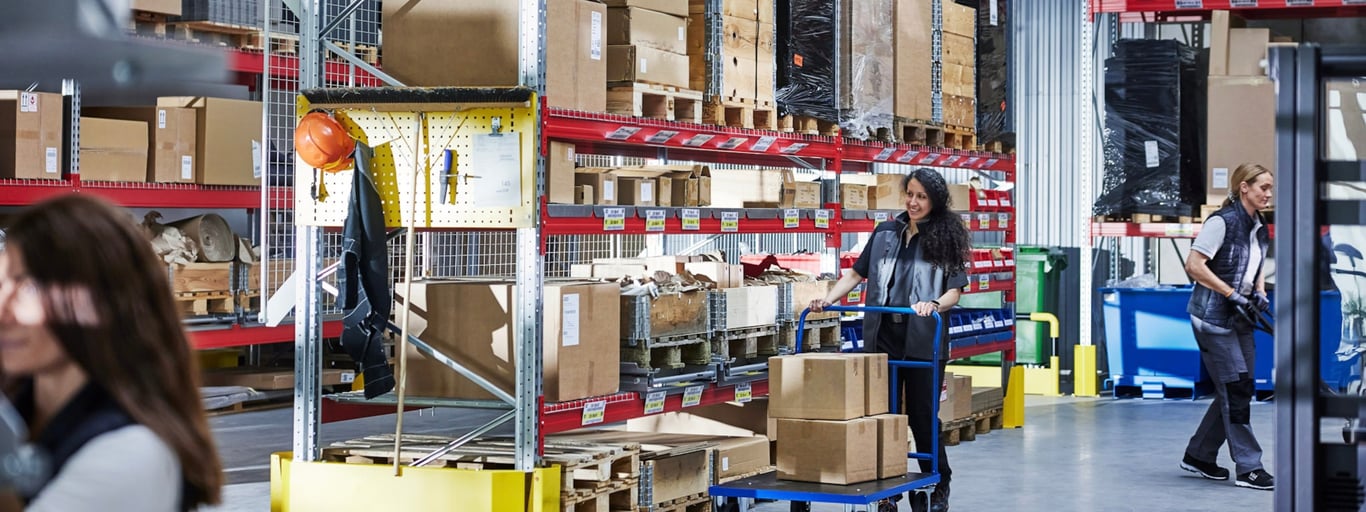
Black Friday and Christmas can turn a warehouse that normally runs smoothly into a much busier operation almost overnight. More orders mean more stock to pick, more products to pack and more goods moving through your dispatch area. If your warehouse layout and equipment are already under pressure, even small bottlenecks can quickly become bigger problems.
For UK ecommerce, peak isn't one day any more. It runs from the build-up in mid-November, through Black Friday and Cyber Monday, into the Christmas cut-off dates, then straight into January returns. That's roughly ten weeks where your warehouse runs flat out.
Key takeaways
- Start with last year's order data and plan space around your busiest week of the year.
- Clear floor space before you add shelving. Dead stock is taking up room you'll badly want in December.
- A packing station set at the right height, with everything in arm's reach, saves seconds on every order. Those seconds add up to hours.
- Trolleys, pallet trucks and lift tables cut walking and lifting, which is where peak-season injuries start.
- Set up a separate returns area now, before the first Christmas returns land in early December.
What slows a warehouse down during peak season?
- Pickers crossing the building for fast sellers that live at the back
- Packing benches at the wrong height, with tape and boxes out of reach and nowhere to put finished parcels
- Incoming stock with nowhere to go, so it sits on the floor and narrows the aisles
- Returned items piled next to outgoing orders, which is how the wrong thing gets shipped twice
Is peak season prep only about speed?
Eight steps to get your warehouse ready for peak season
1. Look at last year before you buy anything
2. Make room before the stock arrives
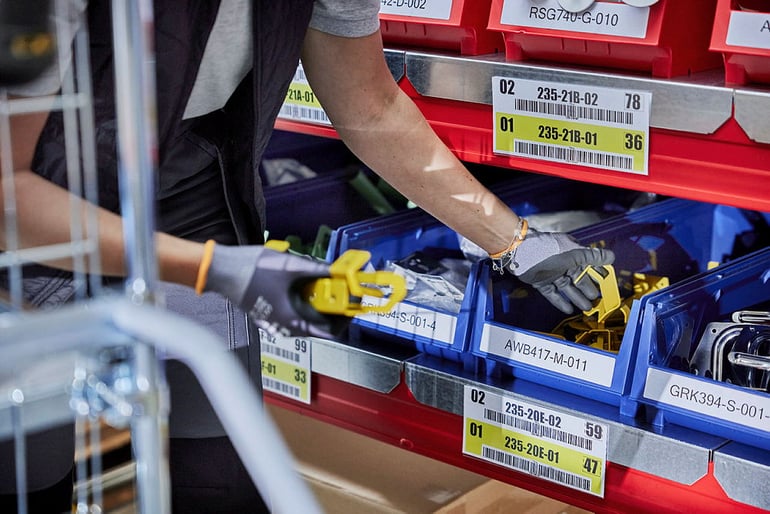
Oddly, the fix for a full warehouse is often less stuff rather than more space. Clear out dead stock, broken pallets and "we might need that" boxes first. Then look at what storage you're missing.
- Fast-moving small items suit warehouse shelving at waist to shoulder height, close to packing.
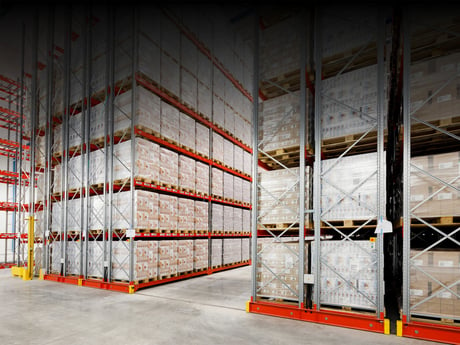
- Bulk and overflow stock belongs up high on pallet racking, so it stops living on the floor.
- Loose bits (chargers, cables, spare parts) are far easier to pick from labelled storage boxes than from open shelves.
Not sure which system fits? Our guide to choosing shelving walks through the options, and it's a quick read.
3. Make your packing area ready for higher volumes
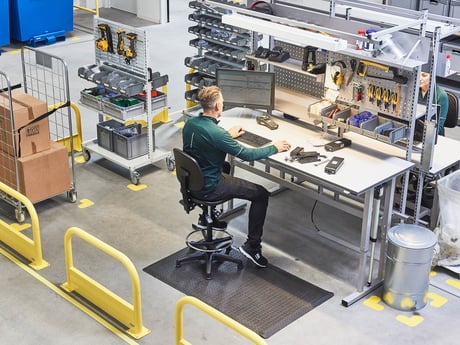
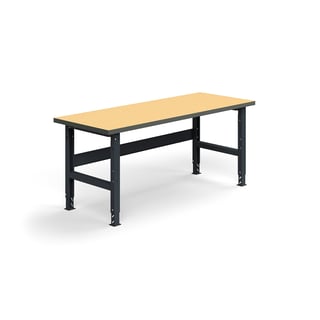
The packing bench is where every order ends up, so it's where small fixes pay back fastest. Think of it like a chef's station in a busy kitchen: everything within reach and the same layout at every bench, so anyone can step in mid-shift.
Use packing tables with space for boxes above and below, rather than a spare desk.
- Choose workbenches that adjust in height if different people share a station. Our workbench buying guide explains what to look for.
- Keep tape dispensers, cutters and roll holders from our packing and packaging range fixed in the same place on every bench.
- If parcels travel more than a few metres to dispatch, a short run of roller conveyors stops people carrying boxes back and forth.


4. Reduce unnecessary walking and lifting
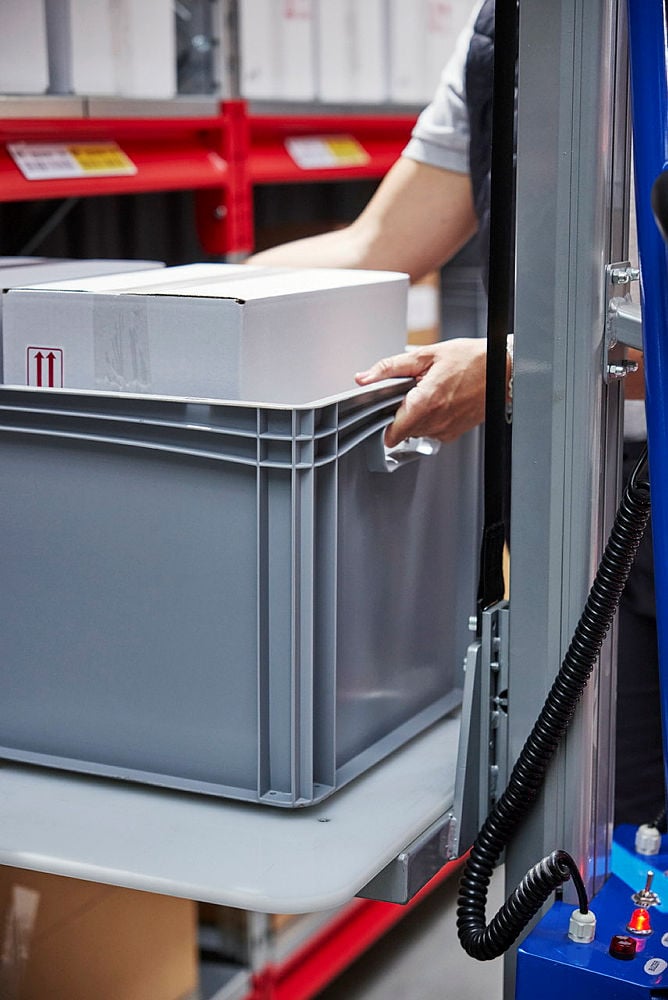
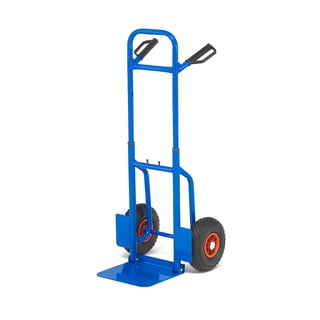
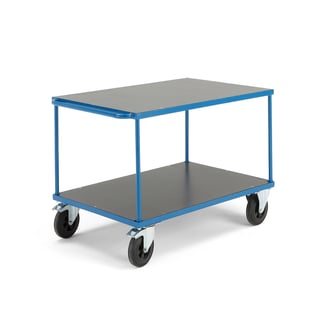
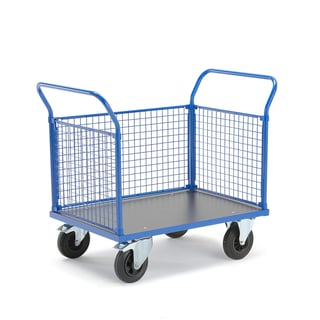
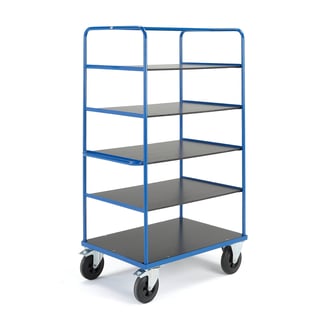
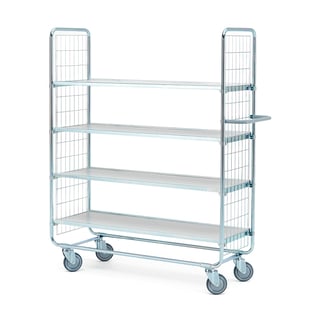
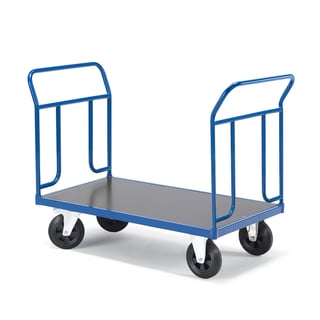
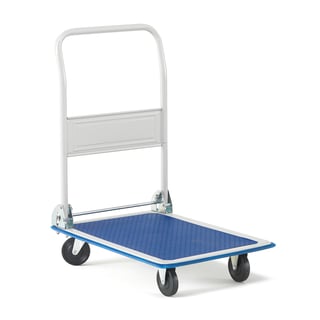
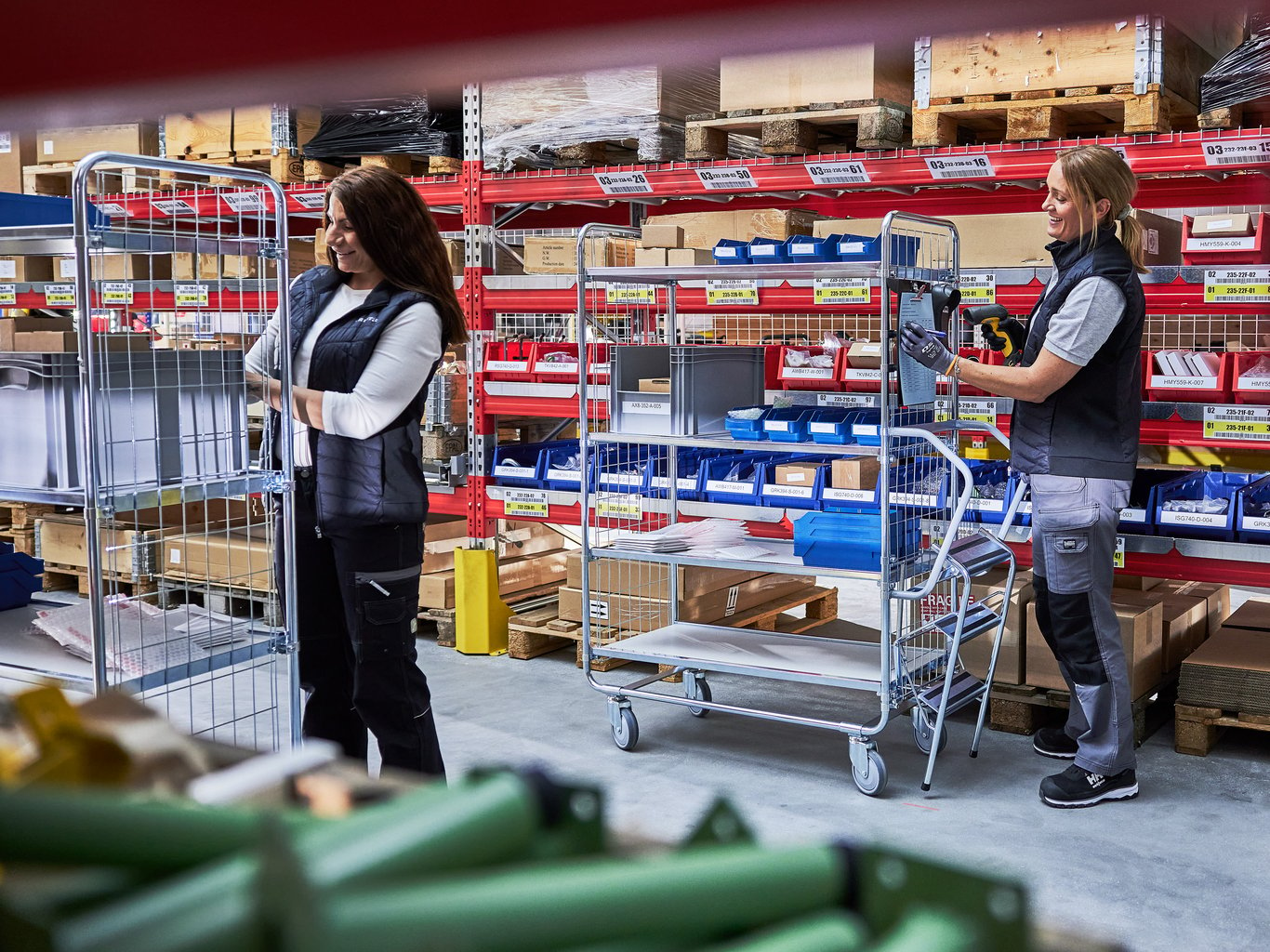
The more orders you process, the more products need to move between storage, picking, packing and dispatch. Carrying boxes one at a time is manageable in September. By December it eats hours. A trolley lets pickers collect several orders in one trip, and the right one depends on what you're moving:
- Platform trolleys and shelf trolleys for picking multiple orders in one trip.
- Sack trucks for stacks of cartons at goods-in and dispatch.
- Pallet trucks for full pallets, with loads from 200 kg up to 3,000 kg.
- Stacker trucks if you need to lift pallets onto low racking without a forklift.
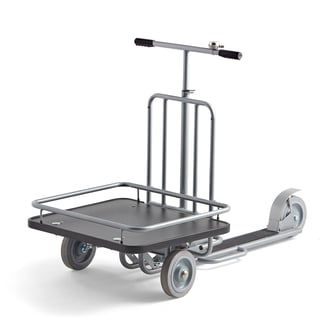
- Platform scooters for larger warehouses where pickers cover long distances. They cut down a lot of walking over a long shift and have a platform for small loads.
5. Give your packing and warehouse teams the right equipment
A few things that help:
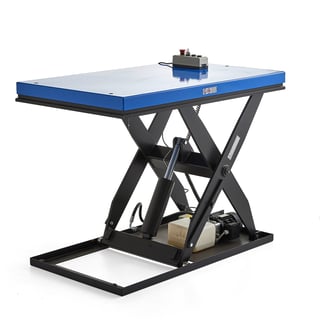
- Lift tables bring heavy loads up to working height, so nobody bends to the floor 200 times a shift.
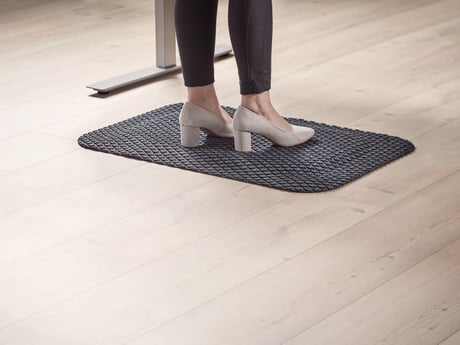
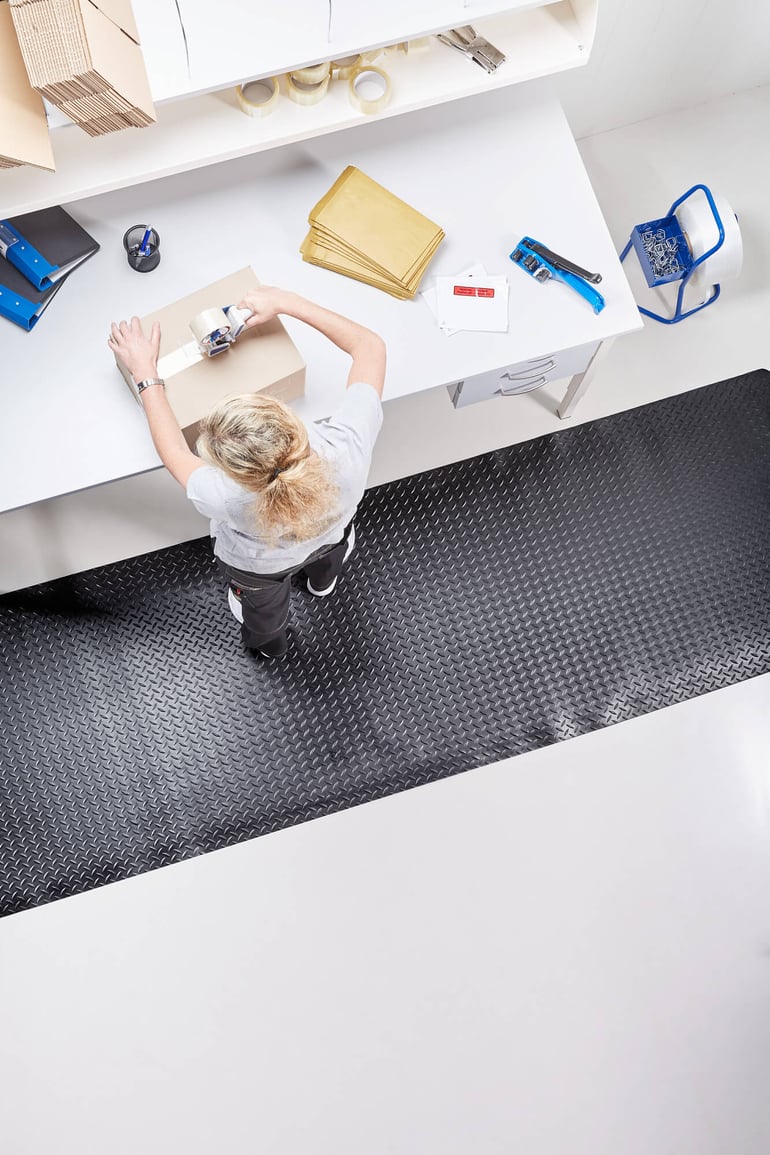
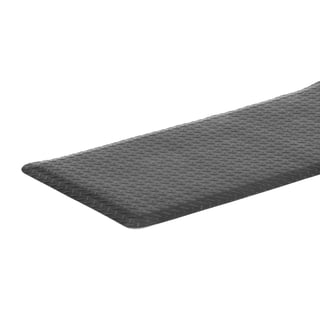
- Anti-fatigue work mats at packing benches take a lot of the ache out of legs and backs by the end of a 10-hour day.
- A few warehouse chairs or sit-stand stools let people change position during slower spells.
We've written more about why this pays off in how industrial ergonomics increases profits.



6. Set up your returns area now
7. Keep the floor clear and the rubbish moving
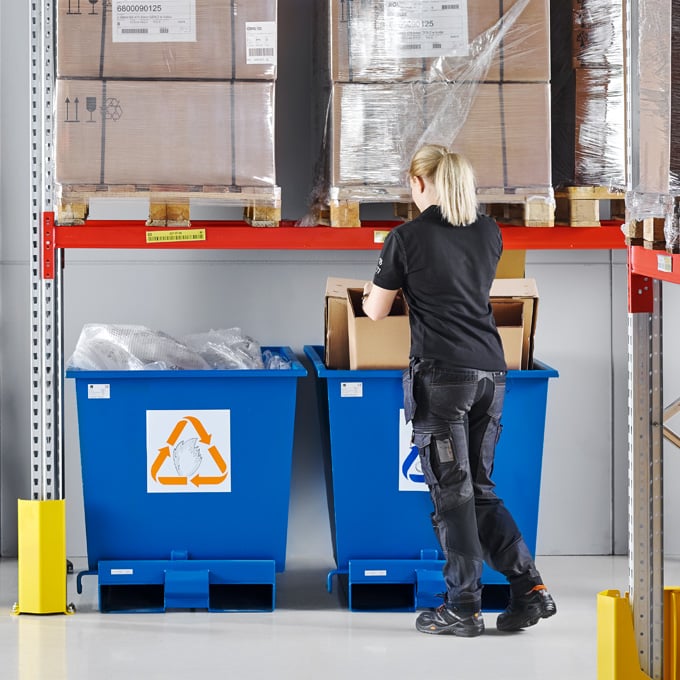
Peak produces a ridiculous amount of cardboard. Leave it for an hour and the aisles start shrinking, and somebody will trip over it before lunch.
Put recycling and waste bins at every packing station, not one big bin by the door. Mobile container trucks are handy for sweeping round the benches at the end of each shift. Our tips for waste handling in industrial workplaces go into more detail.
8. Make temporary staff productive on day one
Seasonal workers are only as quick as your warehouse is easy to understand. Label every location. Keep every packing bench identical. Write a one-page "how we pack" sheet and stick it on the wall.
And give them somewhere to put their things. Coats and bags on the packing bench are a small annoyance that becomes a big one by week four. A row of lockers sorts it, and key cabinets and security products help you keep track of who has access to what.
Peak-season warehouse checklist
Use this checklist to see whether your warehouse is ready for higher order volumes.
| Area | What to check |
|---|---|
| Storage | Is there enough space for peak stock levels? |
| Picking | Are fast-moving products easy to find and reach? |
| Packing | Do you have enough packing stations for busy periods? |
| Packaging | Are boxes, tape and other materials organised and easy to reach? |
| Movement | Do employees have suitable trolleys or other handling equipment? |
| Layout | Is there a clear flow from storage to dispatch? |
| Dispatch | Is there enough space for completed orders? |
| Workstations | Can each person set their bench or workstation to the right height? |
| Flexibility | Can your storage and equipment be adapted if order volumes change? |
| People | Have you planned rotas, breaks and somewhere for temporary staff to leave coats and bags? |
What warehouse equipment do you need for peak season?
There isn't one setup that will work for every warehouse. The right equipment depends on your products, available space, order volumes and how goods move through your business.
For many ecommerce and retail warehouses, the key areas to consider are:
- For storage: warehouse shelving, picking bins and pallet racking for bulk stock
- For picking: order picking trolleys, shelf trolleys and storage bin trolleys
- For packing: packing stations, packing tools, and packing supplies
- For moving goods: platform trolleys, roll cages and roller conveyors
- For warehouse workstations: workbenches, warehouse chairs and anti-fatigue matting
Which equipment fixes which peak season problem?
| The problem | What helps |
|---|---|
| Packers bending and reaching all shift | Height-adjustable packing station |
| Pickers making one trip per order | Multi-order trolley |
| Stock sitting on the floor | Longspan or widespan shelving |
| Heavy boxes lifted from low pallets | Lift table |
| Full pallets moved by hand | Pallet truck |
| Sore legs by mid-afternoon | Anti-fatigue matting |
| Cardboard piling up in aisles | Recycling stations and mobile bins |
Ready for the rush?
Peak is going to be busy whatever you do. But if the benches are right and nobody's lugging boxes across the building by mid-November, you'll spend December shipping orders instead of fighting your own warehouse. A couple of examples from our own work: Nordic retailer Boozt worked with our team to improve ergonomics and workflow across its ecommerce warehouse, and we helped a 3PL get far more out of its storage space.
Know what you need already? Shop the warehouse range
Need help? Get in touch with our team.
Frequently asked questions about warehouse peak season
- Start in September or early October. That gives you time to clear space, order equipment, and train staff before Black Friday traffic arrives in mid-November.
- Move your fastest-selling products closest to packing, standardise every packing bench, and use trolleys so pickers collect several orders per trip.
- Label every location clearly, store similar-looking products apart, and use picking bins or trolleys with separate compartments for each order.
- Set up a separate returns area with a checking bench and labelled boxes for restock, repair and write-off, so returns never mix with outgoing orders.
- Keep layouts identical, label everything, put a one-page packing guide at each bench, and pair new starters with an experienced packer on their first shift.
- If you'll use it again next year, and most shelving, trolleys and benches you will, buying is usually better value than hiring for a few weeks.
- Yes. Our warehouse optimisation and project teams can help plan your layout and equipment. Call 01252 359760 or contact our project team.