- AJ Products UK
- Inspiration
- Improving the work environment
- Why brain-friendly workplaces matter in the industrial sector
Why brain-friendly workplaces matter in the industrial sector
Industrial workplaces need employees who can focus, work safely, and mantein their energy through the entire day. But brains work differently, especially in fast-paced environments with high noise levels and many sensory inputs. With the right design, the workplace can better support more people.
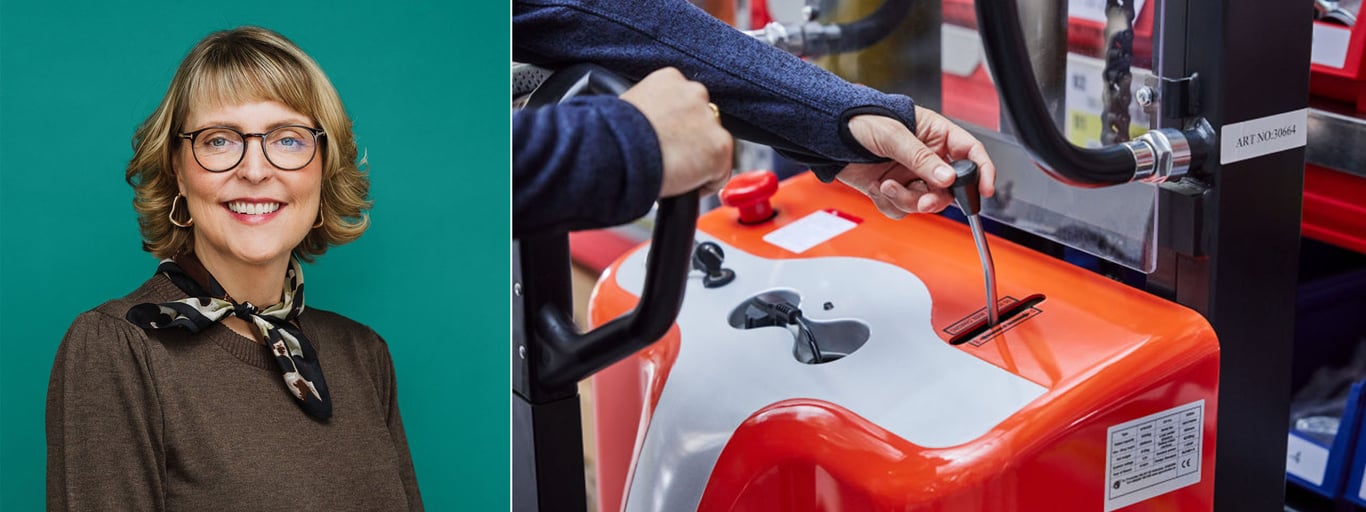
"What helps individuals with neurodivergent conditions often improves the workplace for everyone and strengthens both the work environment and efficiency," says Jenny Kindgren of the Swedish National Association Attention (Riksförbundet Attention).
"What helps individuals with neurodivergent conditions often improves the workplace for everyone and strengthens both the work environment and efficiency," says Jenny Kindgren of the Swedish National Association Attention (Riksförbundet Attention).
In recent years, awareness of neurodivergence has grown in the workplace. This is particularly evident in industry, where the working environment, safety and access to skilled workers are increasingly important issues.
"We’re seeing more and more employers and trade unions wanting to understand how they can create workplaces that work better for neurodivergent people. We’re seeing a clear shift within the industrial sector", says Jenny Kindgren, a behavioral scientist and Head of Education at Attention, an organisation supporting people with neurodevelopmental conditions and their relatives.
At the same time, there is still a long way to go. According to Attention, around 13% of primary school students have a neurodevelopmental condition. There are no corresponding statistics for the working population, but Jenny Kindgren estimates that the proportion may be roughly the same. In a 2024 survey, seven out of ten respondents stated that their diagnosis had been a disadvantage in their working life.
"At AJ Products, we collaborate with the Swedish National Association Attention to increase our understanding of how workplaces can be designed to be more brain-friendly. For us, it’s a way to contribute to workplaces where more people can thrive and succeed. Ultimately, it benefits all employees", says Annika Petersson, Head of Project Sales Office at AJ Products.
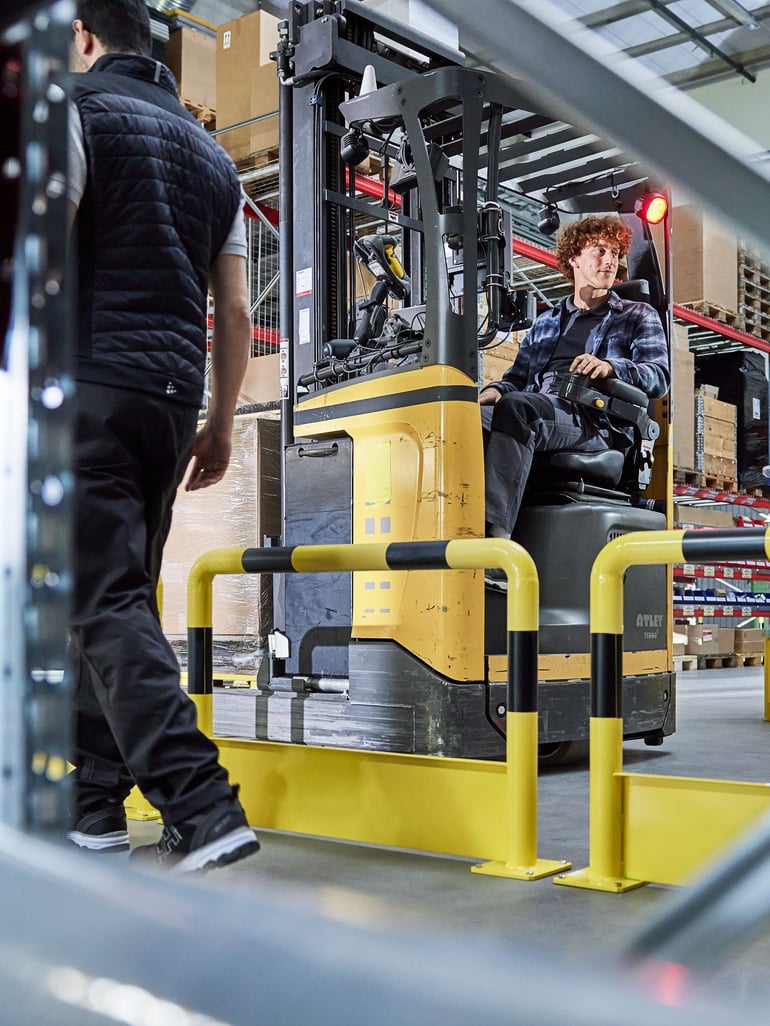
Many young people with neurodevelopmental conditions go on to work in areas such as manufacturing, warehousing and technology after completing vocational training. This makes the issue particularly relevant to the industrial sector, where employers, according to Jenny Kindgren, need to understand how both the physical and social work environment affects different people.
"It is not just the task itself that determines how someone's working day goes. The whole environment plays a role, from the moment someone arrives at work until they leave", she says.
Neurodevelopmental conditions
Neurodevelopmental conditions are a group of conditions that affect how the brain processes information. They include ADHD, autism, developmental language disorder (DLD) and Tourette syndrome. They can affect how people process sensory input, organise information, manage focus and energy levels, and navigate social situations. For example, some people may experience increased sensory sensitivity, have a greater need for clarity and structure, or become mentally fatigued more quickly in noisy or chaotic environments.
Small adjustments can have a big impact
Creating a more brain-friendly workplace does not always require large investments or renovations. Clearer structure, a better acoustic environment, visual support and better opportunities to recover during the day often go a long way.
For neurodivergent people, these adjustments can be crucial to making the working day work well. But the benefits do not stop there.
"What works well for neurodivergent people can benefit everyone. Most people have periods when their brains are tired - because of stress, illness, caring for young children or a difficult situation at home. A tired brain often benefits from the same clarity and structure.
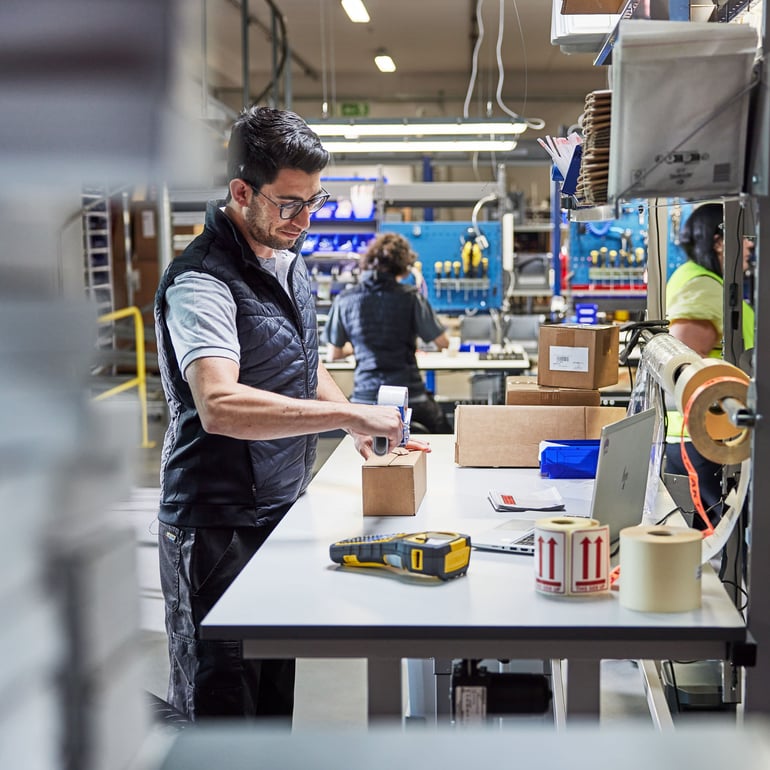
When the everyday work routine works for more people, the ability to retain experienced and valuable talent also increases", Jenny Kindgren notes.
"With small adjustments in the workplace, you can unlock the potential of talented employees. Many neurodivergent people choose jobs that closely match their interests and strengths. This can allow them to become highly skilled in their field. But sometimes it isn't the job itself that is the problem, but everything around it", she says.
The impact is particularly clear in the industrial sector
Industrial workplaces often involve large spaces, high noise levels, and lots of simultaneous sensory inputs, as well as tasks where a lack of concentration can impact safety.
"There is more at stake when the work can become physically dangerous. That requires s systematic and meticulous approach", says Jenny Kindgren.
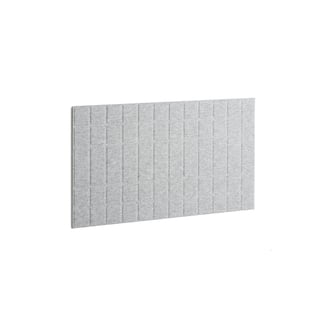




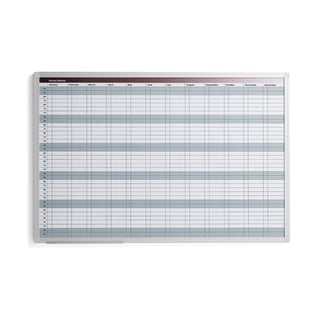





At the same time, more young people are entering working life with a better understanding of their own needs and greater openness about their diagnosis. Employers also have a statutory duty to work with job adaptation and take reasonable measures where a neurodivergent employee or job applicant is disabled and would otherwise face a substantial disadvantage at work
"Many young people today are open about having ADHD, for instance. They might say: 'I'm a very good welder, but I also have ADHD, just so you know.' That means employers need to be more on their toes", she says.
Putting our knowledge of neurodivergent needs into practice
At AJ Products, we have been developing our knowledge of neurodivergence and workplace design. Through our collaboration with Attention, we continue to learn how workplaces can be designed to better support people with different needs.
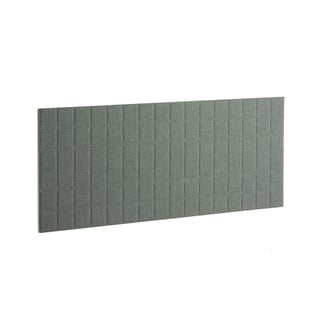
Customers can talk to us about how their workplace can be adapted to better support neurodivergent employees and which products and solutions could help. We offer solutions that can reduce distracting, create clearer structures and provide quiter spaces for focused work. For industrial companies, this might include acoustic solutions, partitioning and furnishings that make the workplace easier to navigate and understand.
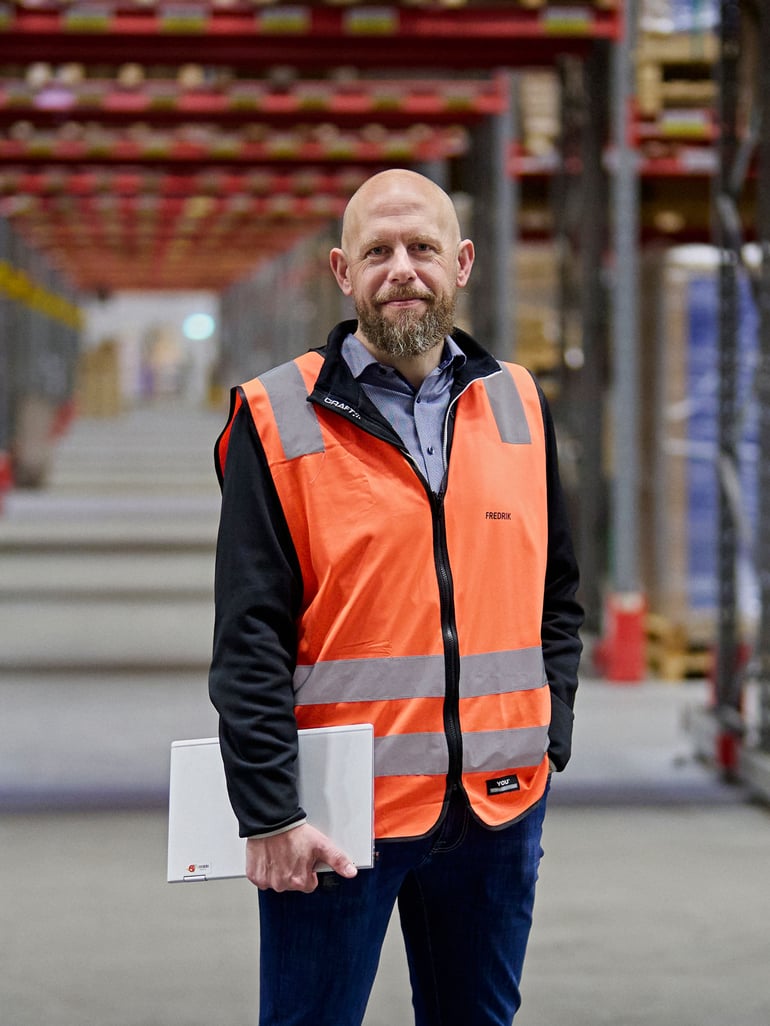
Fredrik Emilsson, Warehouse Manager at AJ Products, describes how we put this into practice in our own warehouse:
"We make sure that employees with neurodivergent conditions are given sufficient time during their induction, where we also help them set priorities and have regular check-ins. Clarity is crucial", he says.
"In our warehouse, the tasks are clear with fixed routines and a solid structure, making it easier to plan your work. Since it is largely independent work, sensory input is reduced, which can improve the ability to focus."
How different parts of the workplace can be adapted
What can a more brain-friendly industrial workplace look like in practice? Jenny Kindgren explains how different areas of the workplace can benefit from different approaches.