- AJ Products UK
- Inspiration
- Improving the work environment
- Stress researcher: How the office affects how we feel
Workplace stress and office design: What research reveals about productivity

Performance is often linked to leadership and culture. Walls, distances, floor space and interior design are less often considered, even though they shape how we work every day.
Aram Seddigh is a doctor of work and organizational psychology, a licensed psychologist and has been affiliated with the Stress Research Institute. Today, he is CEO of WeOffice and an adviser on workplace issues.
“A poorly designed workplace limits an organisation's ability to achieve its goals, even if the leadership and culture are strong,” he notes.
How the office environment affects our working days
In his 2015 doctoral dissertation, Aram Seddigh examined how different office types and ways of working affect employee health and productivity. In the study, he followed more than a thousand people across a range of environments, from cubicles to large open-plan and flexible offices. The patterns were clear, particularly when it came to distraction and cognitive stress.
"The larger the open-plan environment, the greater the level of distraction and the poorer the performance among employees. In one experiment, participants were asked to complete a concentration-intensive working memory test in their usual work environments. The results followed the same pattern: the larger the space, the more difficult it was to achieve high scores."
"When compared with those in cellular offices, it turned out that they performed just as poorly under normal working conditions. This is likely due to the open-door policies and colleagues dropping in to talk, which leads to interruptions. We need to become better at actively creating conditions for focus, even in cellular offices."
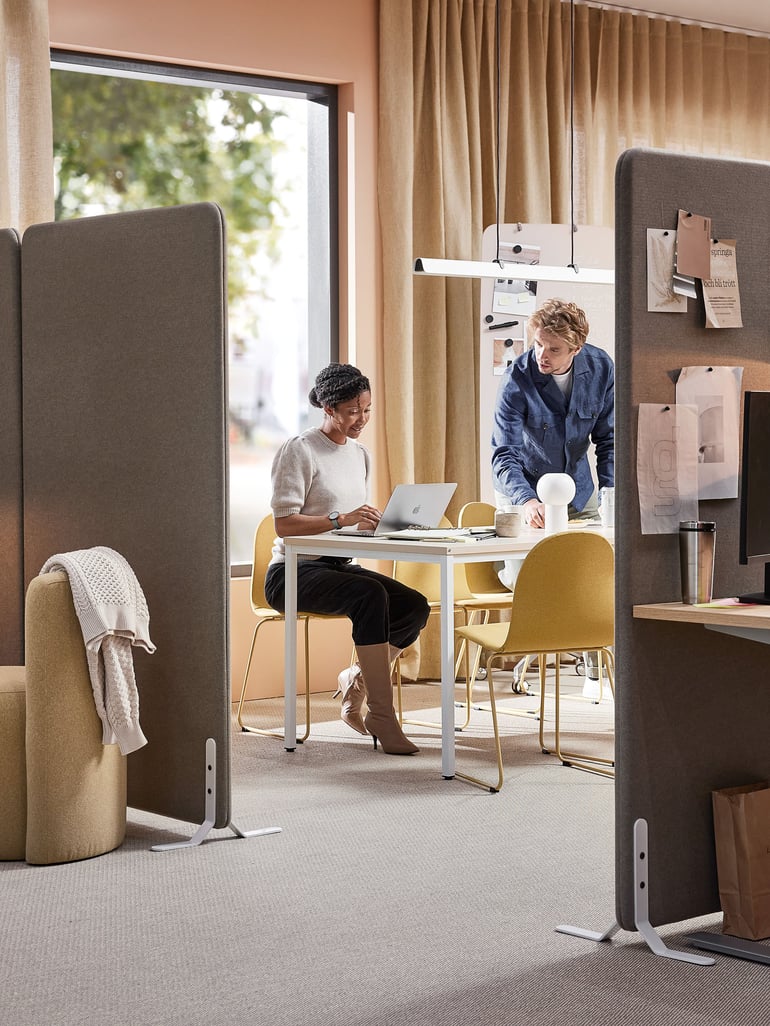
Basic questions for a well-functioning office
"Organisations tend to jump straight into the solutions, itself quite quickly and start from the current situation, starting with the current layout, calculating the available space and number of employees, and making decisions based on that."
Instead, he points to four foundamental questions that need to be resolved for an office design to function effectively: is it the right size, is there sufficient variety of spaces, does the design support the desired types of collaborations – and can the environment actually be used as intended?
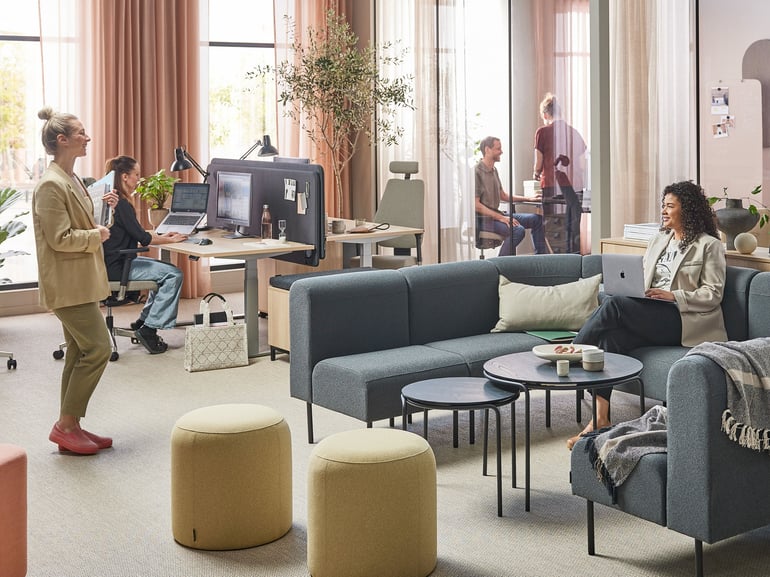
The first question is about proportions:
"If you underestimate the space require, the office will feel overcrowded, which can lead people to avoid the place. If you overestimate it, the space may feel empty and underused, and there are cost implications to consider as well."
But having the right amount of floor space doesn’t solve everything. The key question is how that space is actually used. Some tasks require quiet concentration, while others rely on conversation and collaborative problem-solving. If the environment doesn't allow switching between these modes, friction can arise.
"We need to take a step back and develop a well-considered workplace strategy that takes into account both employee needs and the organisation’s requirements."
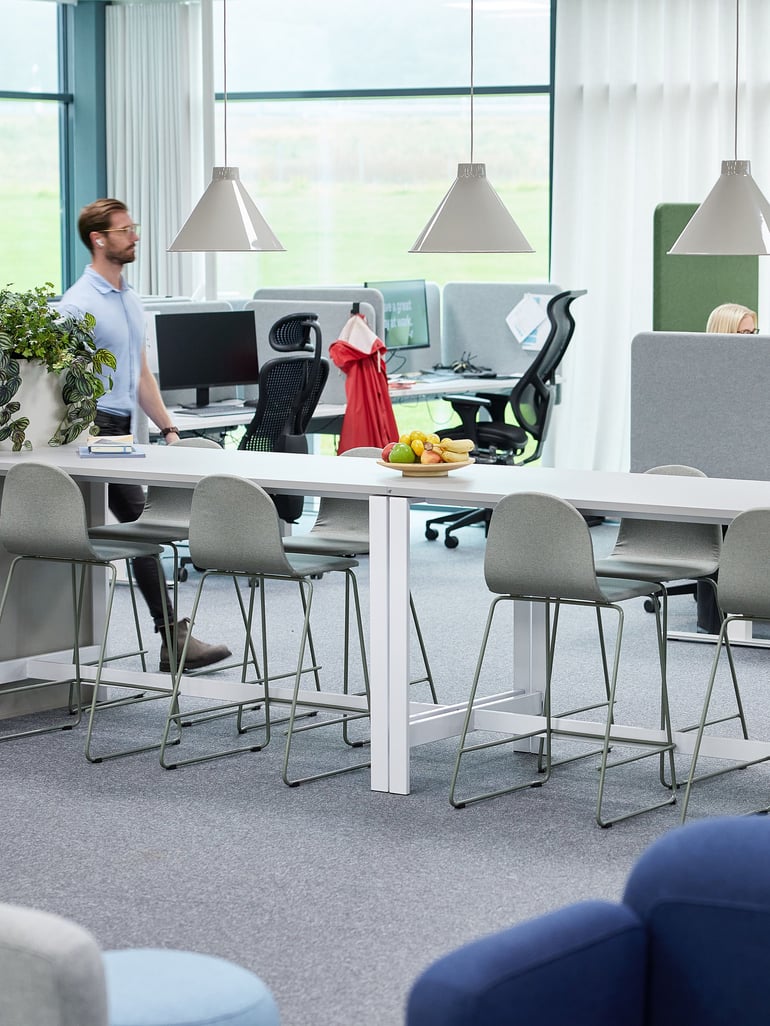
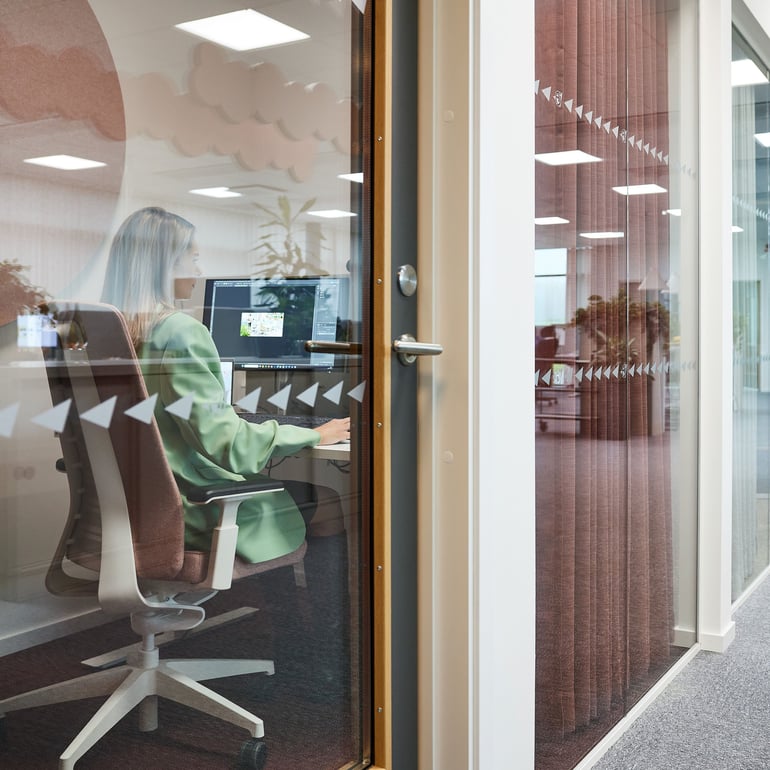
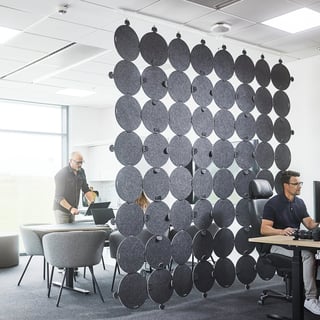
Balance between collaboration and concentration
"In order for collaboration to work, the need for privacy must also be met. Otherwise, employees may avoid the workplace and be less available to collaborate."
In practice, this comes down to being able to switch quickly between different types of tasks.
"Think about the so-called 30-second rule. It should take no more than half a minute to get up, move to another workspace and get started. If that space is further away, the incentive to move decreases. And it becomes harder to support the behaviours you want to encourage. This is where the usability of the office is really tested in day-to-day work."
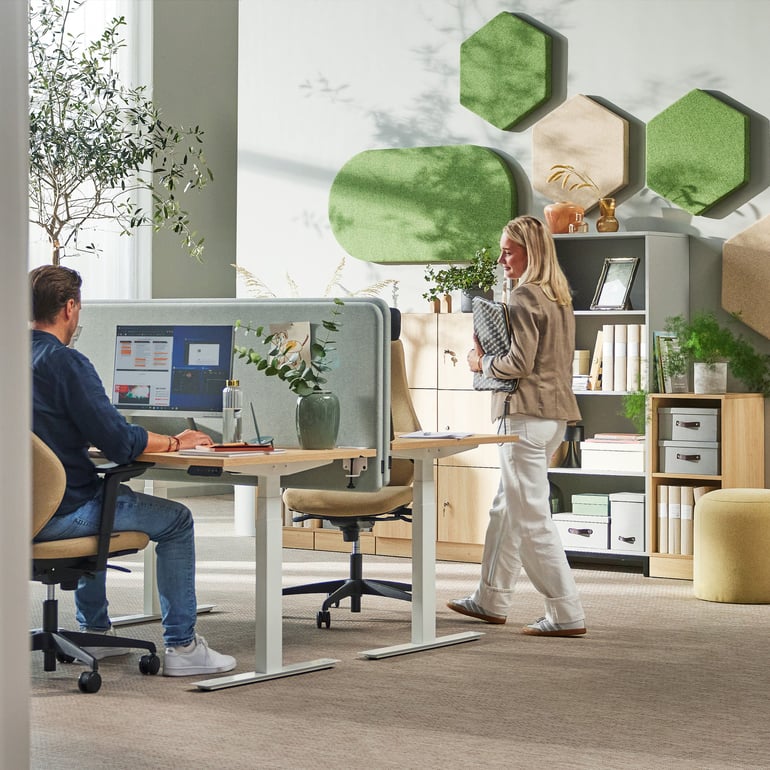
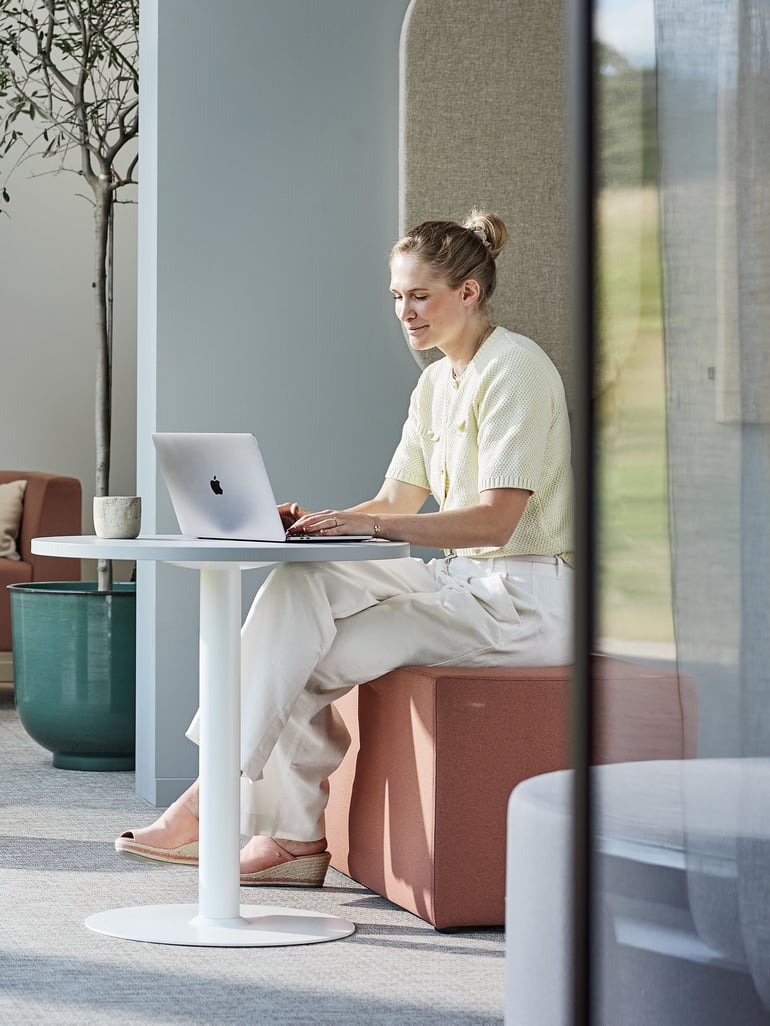
This is a familiar scenario in many workplaces: "I need to concentrate tomorrow so I'll work from home."
"It's a clear sign that the workplace isn't meeting all needs. And that's the challenge, particularly for those who don’t have a suitable environment to work in at home."
An effective office needs to support both collaboration and uninterrupted concentration. Otherwise, employees will look elsewhere when they need to focus.
According to Aram Seddigh, the foundations are straightforward: "Get the space requirements right, create a variety of environments based on the needs of the business, and work actively to improve usability in the workplace. This creates the right conditions for both performance and recovery."