- AJ Products UK
- Blog: Tips to Inspire Happiness at work
- Buying guides
- How to organise tools in your workshop
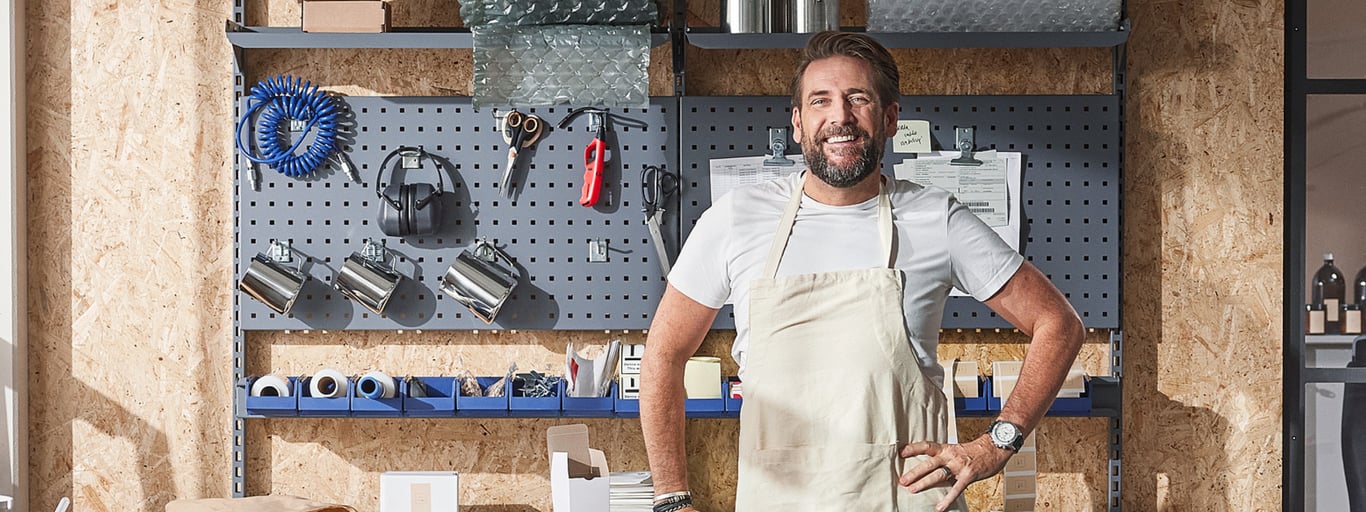
How to organise tools in your workshop
A chaotic workshop doesn't just look bad - it costs you time, money, and probably a fair bit of your sanity.
When tools don’t have a defined home, they wander. And when they wander, your team spends more time trekking across the floor than actually fixing, making, or maintaining. A couple of minutes doesn't sound like much - until it happens a dozen times a day across a team of ten. That's lost productivity you can measure in pounds, not just frustration. Disorganised workshops create a slow, almost invisible drain on efficiency that most businesses don't notice until it's already embedded in daily operations.
The good news? Getting your tool storage sorted is one of the most straightforward wins available to any business willing to invest a bit of thought upfront.
Start with a proper audit
List what you actually have. Group tools by:
- Frequency of use
- Department or task
- Size and weight
- Shared or individual ownership
The core storage solutions worth knowing about
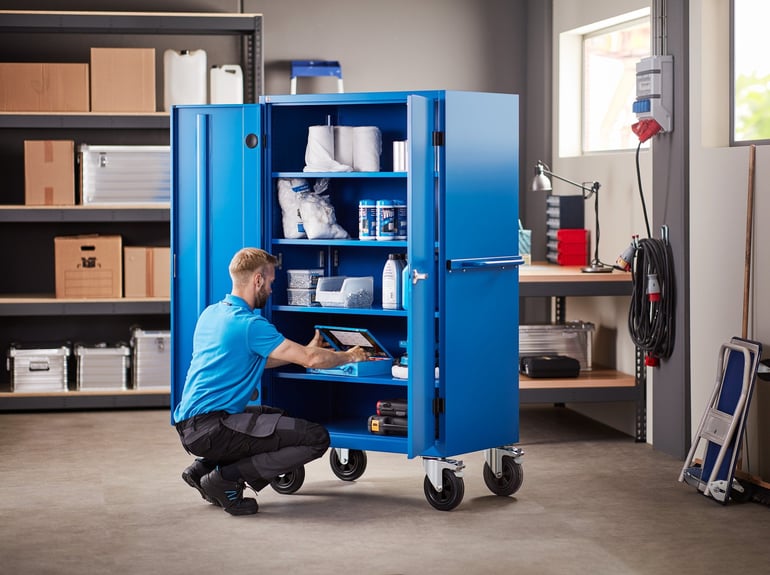
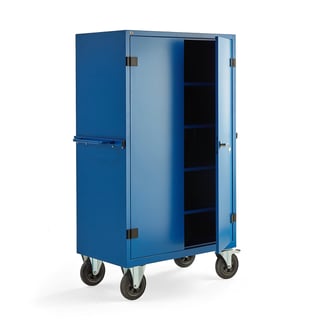
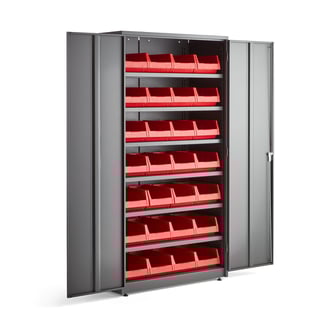
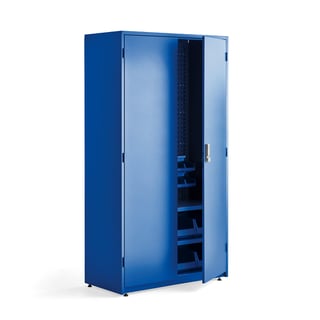
Tool cabinets and roller cabinets - your workshop's backbone
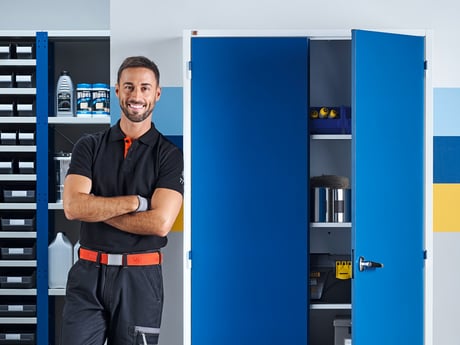
At AJ Products, our tool cabinets come in a range of sizes to suit workshops of all scales. Whether you're kitting out a single technician's bench or a whole maintenance department, there's a configuration that fits.
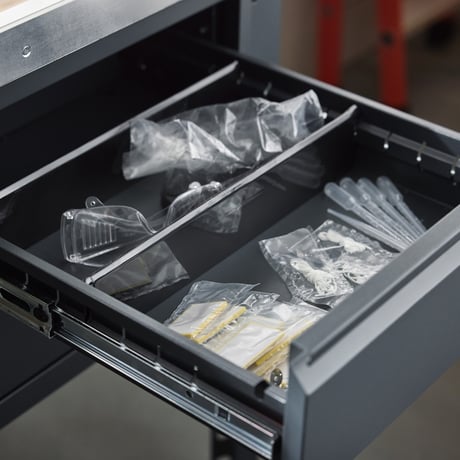
Drawer liners and drawer inserts are worth adding too, they stop tools sliding around and protect surfaces, which matters when you're dealing with precision instruments.
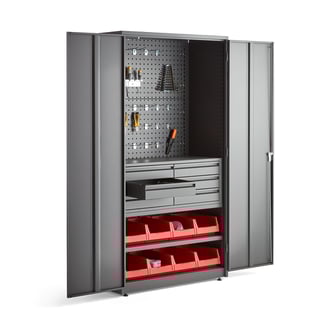
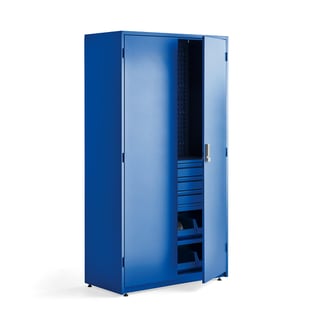
Wall-mounted tool storage - working smarter with vertical space
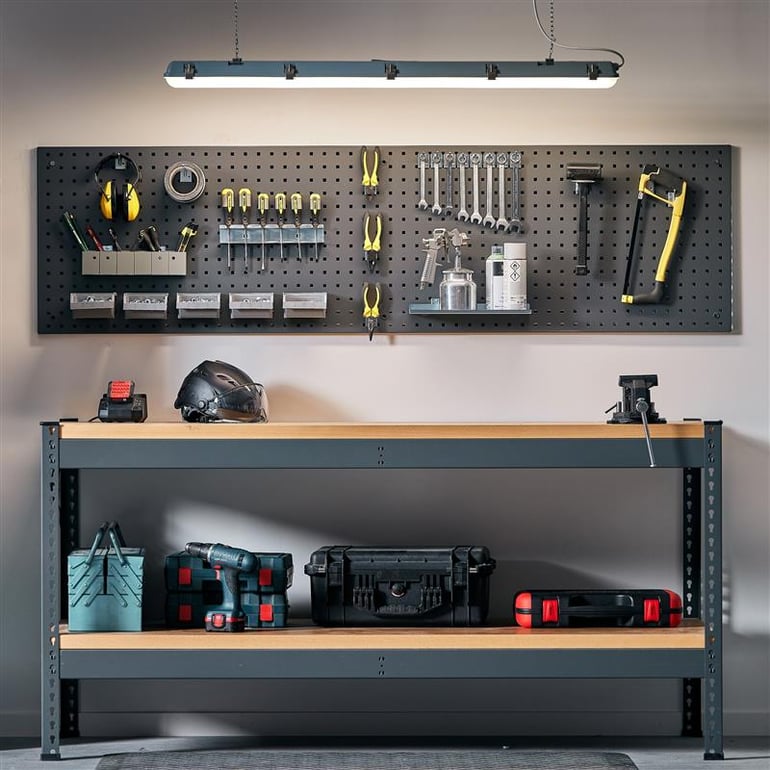
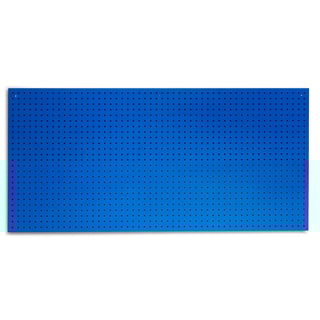
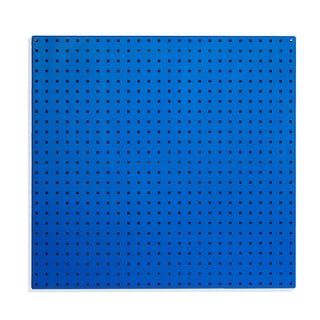
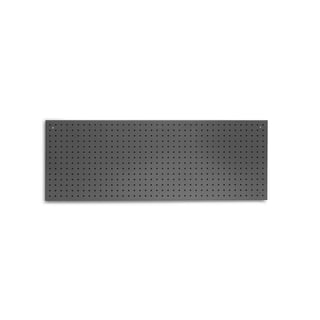
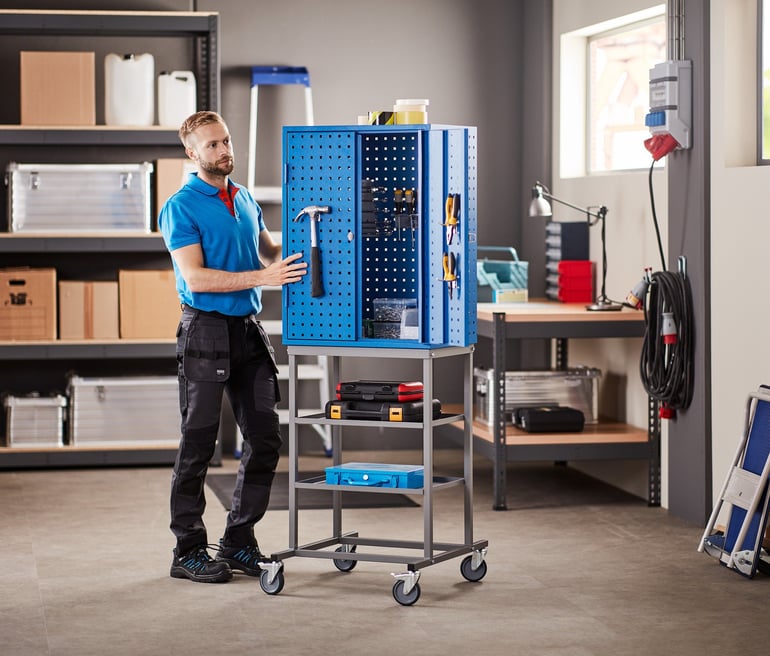
When floor space is at a premium, look up. If you're not using your walls, you're wasting usable storage. Wall-mounted tool panels let you display tools visually, which has a double benefit: you can see at a glance what's missing, and your team doesn't have to dig through drawers to find what they need.
Designed with spaces for hooks, holders, and brackets that can be reconfigured as your toolkit evolves, this flexibility is great for workshops that deal with a rotating set of tasks or seasonal demands.
Fix the panel above a workbench and you've created a dedicated zone for that bench's specific tools - a simple idea with a surprisingly big impact on workflow.

Tool trolleys - organisation that moves with you
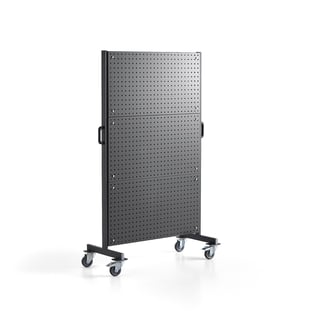
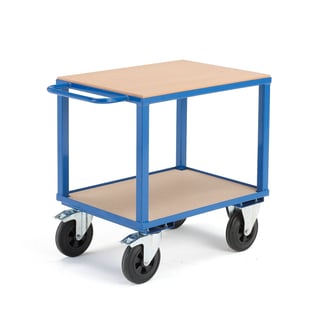
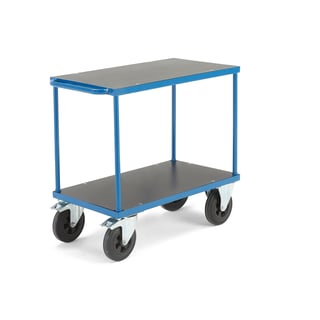
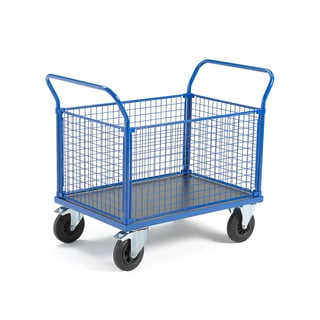
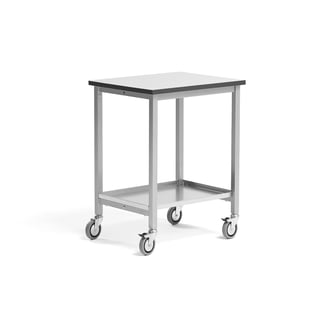
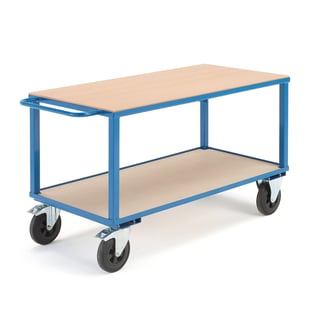
Our workshop trolleys are built for daily industrial use with their sturdy castors that hold up on concrete floors. Some operations even assign a tool trolley per technician, which makes accountability straightforward - you always know whose tools are whose.
Hardware organisation systems – small parts, big impact
A proper hardware organisation system includes:
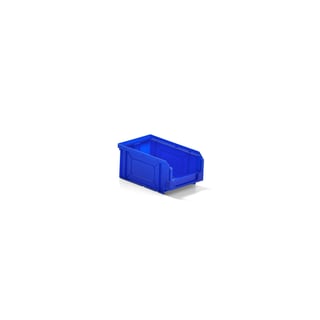
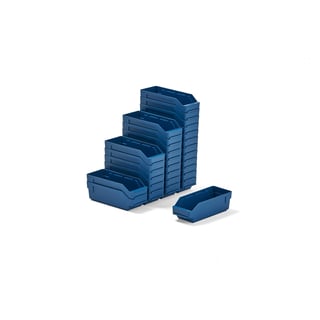
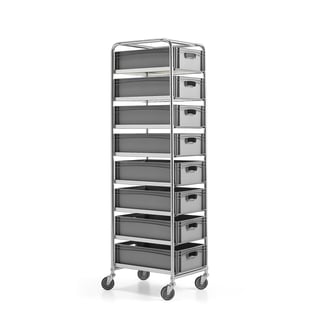
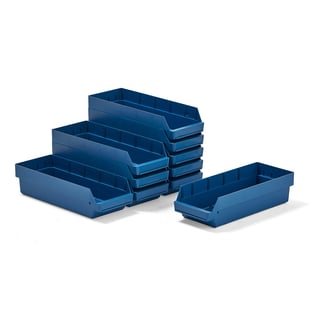
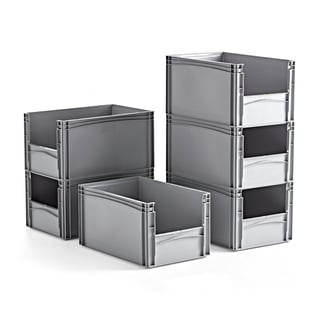
Plastic picking box FRASER, grey, 600x400x320 mm, 6-pack
Standardise and label everything - yes, everything
It sounds obvious, but it's remarkable how often this step gets skipped. Shadow boards or colour-coded labels make returning tools to the right place second nature, even for new starters.
Maintaining the system - the bit everyone skips
You can buy the best cabinets in the world, but if the team doesn't buy into the system, you'll be back to square one in a month.
Build a simple return-to-place culture from day one and make the system easy to use. If it takes more than five seconds to put a tool back, it probably won't happen during a busy shift. We often talk about "frictionless" storage. If a technician has to unlock three different cupboards just to get a grease gun, they'll eventually just leave it on the side.
Some businesses introduce a five-minute end-of-shift tidy as standard practice. Periodic reviews help too. Every few months, reassess whether your storage layout still reflects how the workshop actually operates. Tools change, tasks change, teams change. A system that made perfect sense 18 months ago might need tweaking, and that's fine.
What to look for when buying workshop storage
Not all tool storage is built the same, and in an industrial context, quality really does matter.
Here's what's worth paying attention to:
- Load capacity: Drawers and shelves should handle the weight of your heaviest tools without flexing or failing.
- Adjustable feet: Because let’s be honest, no workshop floor is actually level.
- Lockable options: Essential for security and for keeping hazardous tools out of reach of unauthorised personnel.
- Modularity: Storage that can be reconfigured saves money in the long run as your needs evolve.
It's worth thinking of your tool storage as an investment rather than a purchase. A well-chosen cabinet or wall system will outlast several cheaper alternatives and never stops paying back in saved time. When your tools are organised, your mind is clear, and the job just gets done faster. And isn't that what we're all after?
Safety, compliance and insurance – the overlooked benefits
Organisation improves more than efficiency. Clear floors reduce trips. Secured heavy tools reduce injury risk. Proper chemical storage supports COSHH compliance. Insurers look favourably on well-managed environments.
It’s hard to argue with a workshop where everything has a defined place.
So where do you begin?
Start small. Audit. Install one quality tool cabinet. Introduce a wall-mounted system in a high-traffic zone. Standardise parts bins.
Momentum builds quickly. Productivity improves almost quietly - fewer interruptions, smoother handovers, less frustration.
If you'd like help choosing the right storage solutions for your workshop, our team at AJ Products is always happy to talk through the options.
- The quickest way to access tools is to store them where you actually use them. Group by task - all measuring tools together, all cutting tools together - then label every drawer or tray. Items used daily should sit within arm's reach; anything used occasionally can live further away.
- The best tool storage for a small workshop prioritises vertical space over floor space. Wall-mounted panels, and rail systems keep tools visible and within reach without eating into your working area. A compact roller cabinet underneath adds drawer storage for hand tools without a large footprint.