- AJ Products UK
- Blog: Tips to Inspire Happiness at work
- Tips & trends
- Tips for Improving Rack and Shelving Safety
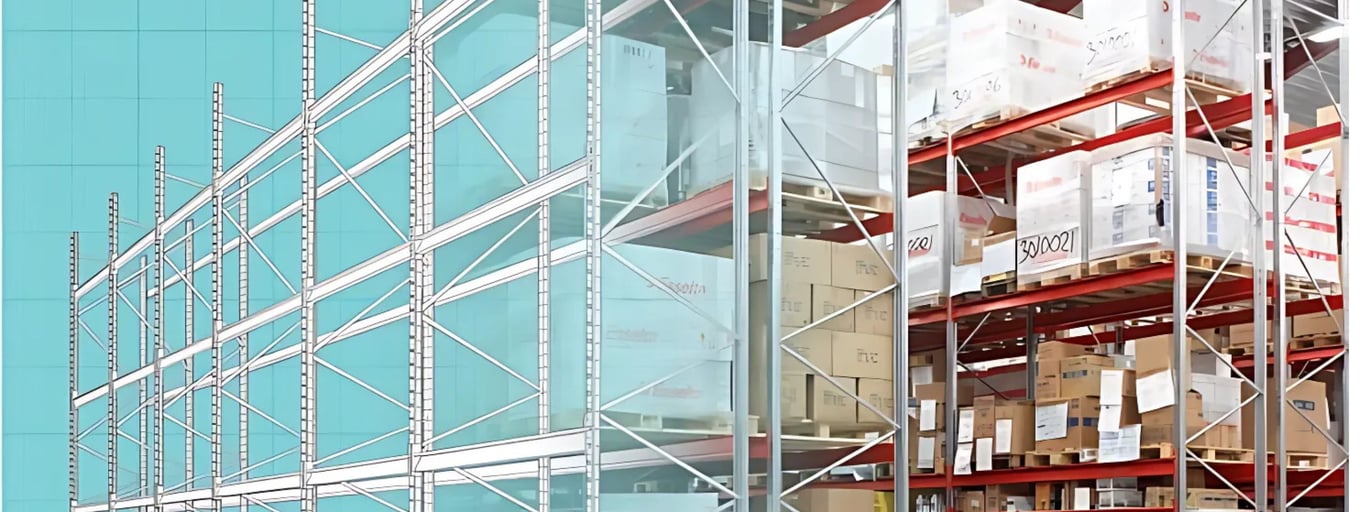
Racking Safety and Maintenance: Tips for Passing Your Racking Inspection
1. Invest in the right shelving and racking system
Not all shelving and racking systems are the same. Choosing the wrong one can cause storage problems, damage stock, or even create safety risks. While collapses are rare, poor setup or overloaded shelves can lead to serious issues.
Before buying, think about what you are storing, how heavy it is, and how your team works when putting loads away on shelving. Different systems are designed for different types of goods. For example, pallet racking is built for storing palletised stock and works best when used in line with pallet racking safety and regulations.
At AJ Products UK, we supply a wide range of shelving and racking systems, complete with clear specifications and maintenance guidance to help you make an informed decision. Our range includes:
- Chemical storage shelving
- Retail shelving
- Small parts shelving
- Food industry shelving
- Tyre racking
- A full selection of warehouse shelving systems
2. Provide proper training on racking safety
Good racking safety starts with proper staff training. Shelving and pallet racking systems are built to hold specific weight limits, and employees need to understand those limits before storing goods.
In a busy warehouse, stock is constantly being moved. Forklifts travel in and out of aisles, loads are lifted and repositioned, and items are restacked throughout the day. Without proper training, accidents can happen. Loads may be placed unevenly, racks may be overloaded, or machinery may strike the structure.
- Correct loading techniques
- Understanding weight limits and pallet racking standards
- Safe stacking methods
- Careful forklift operation around racking systems
3. Ensure your racking systems meets warehouse racking regulations
It’s also important to ensure your warehouse setup meets current UK health and safety regulations. Following the correct standards helps protect staff, reduce accidents and ensure your storage systems are suitable for the environment they are used in.
- Health and Safety at Work Act 1974
- Management of Health and Safety at Work Regulations 1999
- Workplace (Health, Safety, and Welfare) Regulations 1992
- Manual Handling Operations Regulations 1992
- Lifting Operations and Lifting Equipment Regulations 1998
- Work at Height Regulations 2005
- Provision and Use of Work Equipment Regulations 1998
Carry out regular racking inspections
Routine rack inspections are key to preventing minor damage from becoming a serious issue. Establish a regular racking inspection schedule, including annual racking inspections carried out by a qualified expert, and more frequent in-house visual checks. Look for signs of rust, dented uprights, loose bolts, damaged beams, or any misaligned components. You can also use our simple checklist during routine warehouse racking inspection checks.
A quick racking inspection checklist
- Check that weight limit signage is visible and legible
- Inspect uprights for dents, bends or cracks
- Examine beams for sagging or deformation
- Confirm bolts, clips and locking pins are secure
- Look for damage caused by forklifts or manual handling equipment
- Ensure loads are evenly distributed and not exceeding capacity
How to manage racking maintenance and improve safety?
Proper racking maintenance helps prevent accidents, reduce downtime and extend the life of your storage system. Follow these simple steps to ensure your racking lasts longer, stays safe for daily use, and passes every rack inspection.
Use passive safety features
Passive safety features provide ongoing protection without relying on staff intervention. They help reduce damage and lower the risk of injury in busy warehouse environments.
To improve protection:
- Fit impact guards at the base of racks to protect against forklift collisions
- Use mesh panels or safety netting to prevent items falling from upper shelves
- Install end-of-aisle protection to shield vulnerable corners
- Consider anti-collapse mesh at the back of racks, especially in high-traffic zones
These additions are relatively low-cost and can prevent expensive incidents.
Separate manual and forklift operations
A key part of effective racking maintenance is reducing damage caused by forklifts. In busy warehouses, collisions with shelving are one of the most common reasons racking becomes unsafe. To reduce this risk, keep walking areas separate from forklift routes. Store items that need to be picked by hand in quieter areas away from vehicle traffic. Clear floor markings and signs also help everyone understand where it is safe to walk or drive. Preventing collisions is one of the easiest ways to protect your racking.
Report and repair damage immediately
Good racking maintenance also depends on dealing with damage quickly. Even small dents, bent frames or loose fixings can weaken racking over time, especially in high-traffic areas. If damage is spotted, it should be reported straight away and the affected section should be taken out of use until it has been inspected. Repairs should always be carried out by qualified personnel to ensure the racking remains stable and safe for long-term use.
Need advice on choosing the right racking system?
Need help choosing the right racking?
We’re here to help you find a safe, efficient solution for your warehouse. If you're unsure which racking system suits your storage needs or want expert advice on setting up a safer warehouse layout, just get in touch, our team is happy to assist.
Let AJ Products be your trusted partner for racking, shelving, and everything you need to create a safer, more productive workplace.