- AJ Products UK
- Inspiration
- Buying guides
- How to optimise your small warehouse
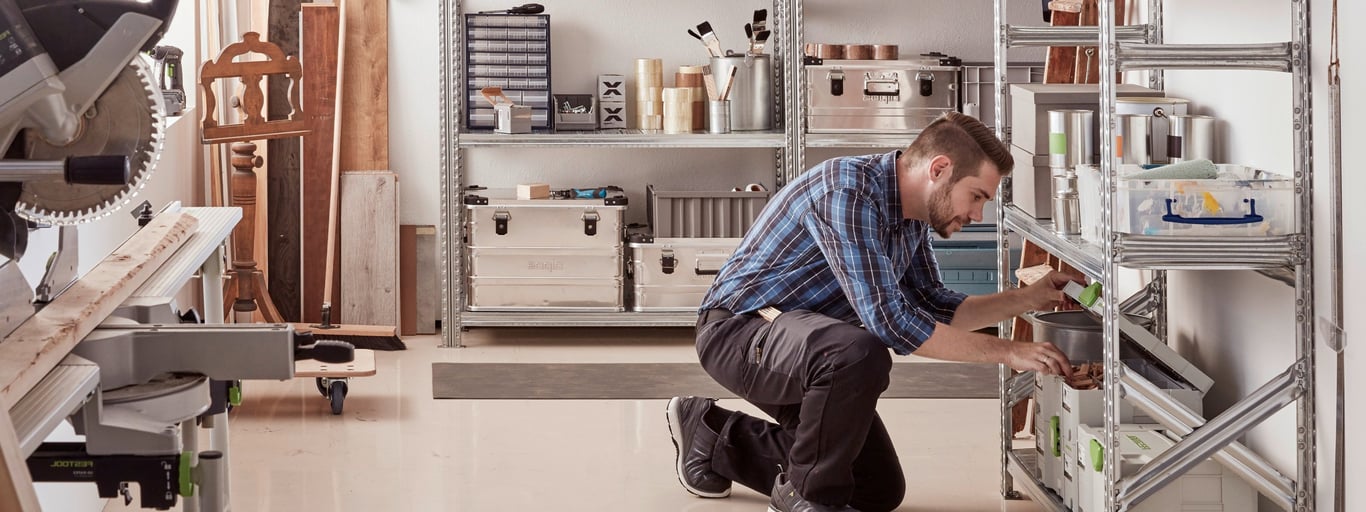
How to optimise your small warehouse
The key to optimising warehouse capacity and establishing an efficient material flow in these limited spaces involves strategic planning and the use of specialized solutions. Dive into the following insights to learn how industrial shelving, pallet racking, and effective warehouse stock management can transform your small warehouse into a hub of productivity.
Four steps toward an efficient warehouse
To ensure optimal functionality in a small warehouse, four essential elements come into play:
- A flexible shelving system that can be adapted to the conditions of the premises.
- Ergonomic lifting aids and trolleys that save employees unnecessary lifting.
- A smart warehouse layout/floor plan that provides a good flow through the premises.
- Well-equipped packing stations that simplify packaging.
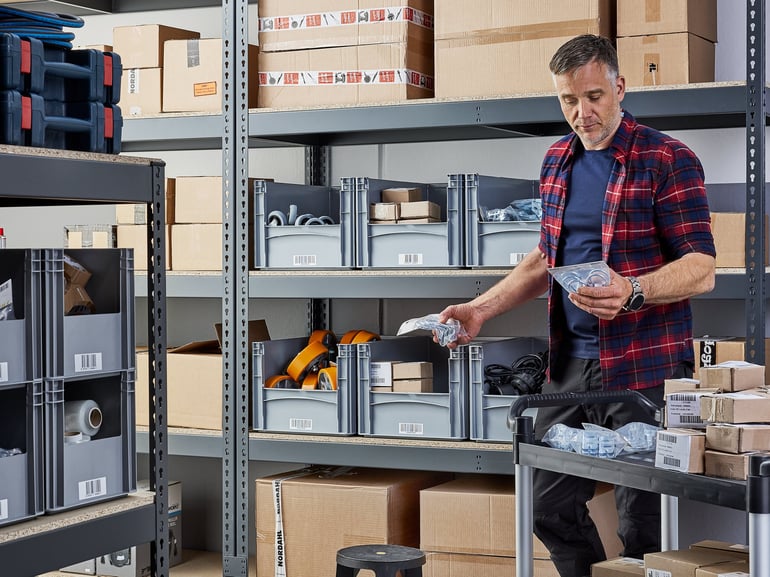
Flexible shelving system for room adaptation
To make the most of limited storage space in smaller facilities, it's crucial to invest in a flexible shelving system.
Opt for a system that features sections in different widths, depths, and heights, ensuring adaptability to the specific conditions of the room. This adaptability enables a tailored approach to storage, accommodating items of various sizes and dimensions efficiently.
Organisation within the shelving system is equally vital for streamlined operations.
Clearly marked storage boxes and picking bins for smaller items not only improve visibility but also contribute to the overall efficiency of the picking process. A strategic assessment of available space is paramount, ensuring that the dimensions of the shelves align with the size of the stored goods.
Additionally, exploring opportunities for vertical storage optimization becomes essential, making effective use of the available ceiling height. This comprehensive approach not only maximizes storage capacity but also creates a well-organized and space-efficient small warehouse environment.
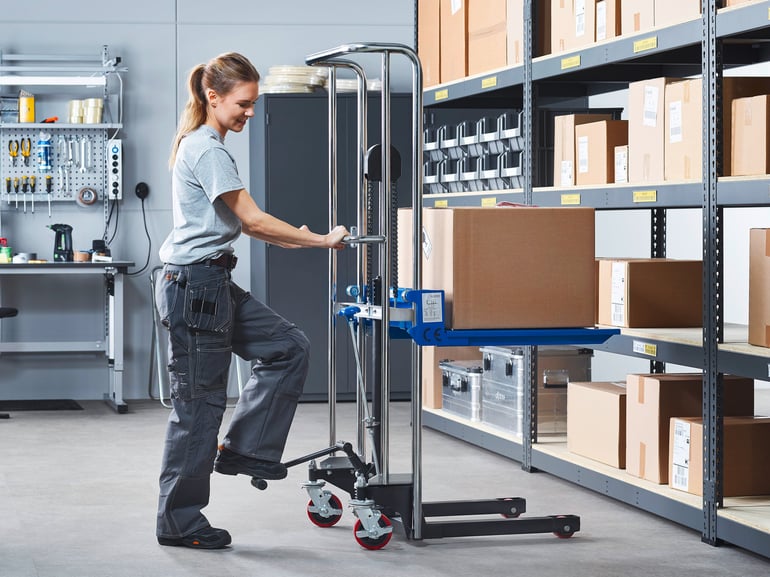
Prioritise ergonomics in lifting and transporting
In the daily operations of a small warehouse, the routine is marked by the physical demands of lifting and carrying, emphasizing the critical role of ergonomic practices.
In order to prevent and mitigate negative impact on employees, it is imperative to incorporate specialised equipment tailored for different weights and sizes of goods.
Heavy items can be efficiently handled with the use of lift trolleys, pallet trucks, and stacker trucks, distributing the load and reducing the strain on individual workers.
When it comes to lifting and moving really heavy things, lift table trolleys, pallet trucks and stackers are preferable.
For lighter goods, a range of purpose-built tools is is indispensable. Sack trucks, warehouse carts, shelf trolleys, distribution trolleys, picking trolleys, platform trolleys, and roll containers offer versatile solutions for various tasks.
Beyond safeguarding the health of employees by minimising physical strain, these tools play a key role in promoting the overall efficiency of goods handling processes. By providing the right equipment for the right tasks, a small warehouse can not only ensure a safer working environment but also optimise productivity in the handling of goods.
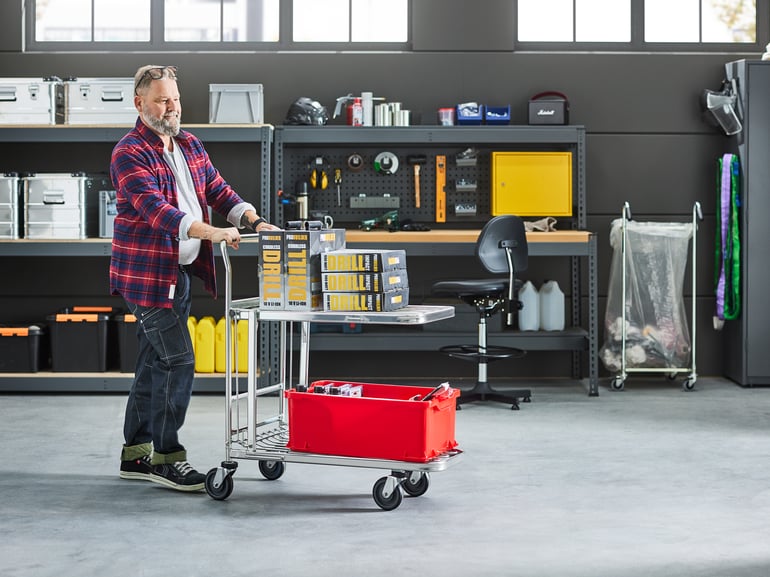
Strategise interior layout for optimal flow
Efficient warehouse operations encompass four stages: goods reception, storage, picking, and packing/delivery.
Each stage involves the movement of goods through different zones, necessitating a well-thought-out floor plan. In a warehouse, safety is a must, and adequate aisle width is crucial to prevent congestion.
How to optimise workflow of goods in and out
- Ensure a safe work environment with wide aisles to accommodate simultaneous truck movement.
- Mitigate bottlenecks by creating a designated area for temporary storage of received goods.
- Optimise proximity of high-frequency goods to the packing station to minimize transportation distances.
- Organise the packing station for a streamlined workflow, allowing items to come in at one end and finished packages to exit at the other.
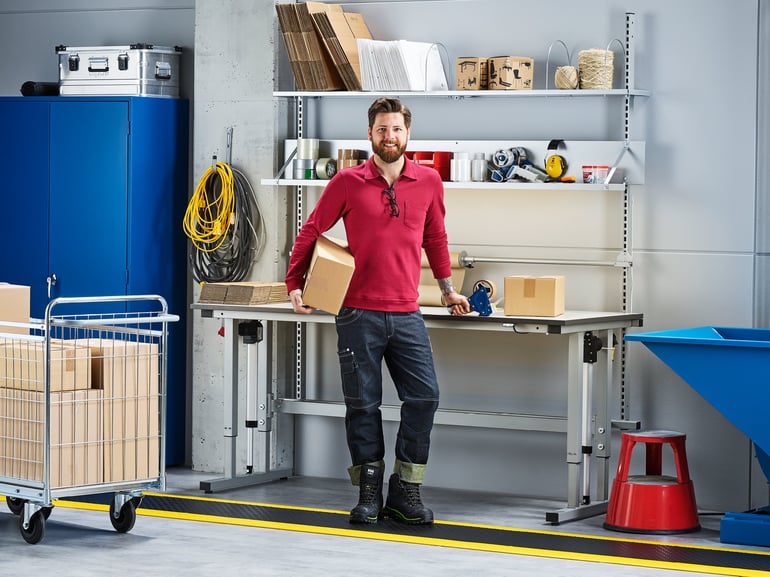
Use packing table for quick packing
Tailor your packaging process to suit your business needs, whether supplying raw materials, stocking shelves, or sending prepackaged goods to customers.
Facilitate packaging tasks by providing staff with access to a packing table equipped with essential tools, including packaging material, cutting units, and tape.
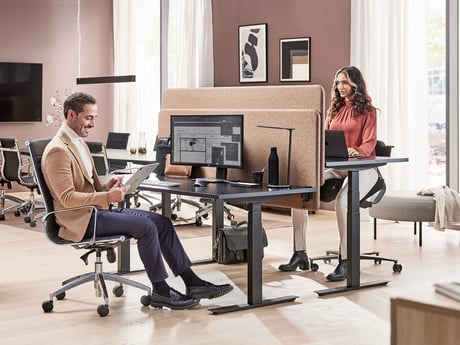
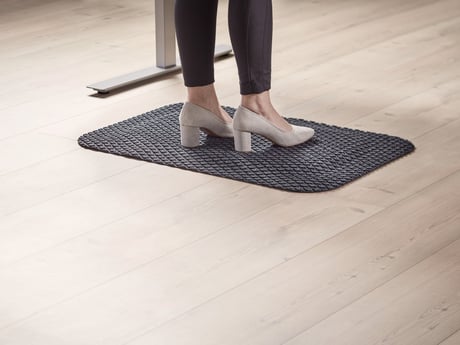
Opt for height-adjustable packing tables to accommodate different employees and enhance comfort with adjustable seating and ergonomic work mats, resulting in a comprehensive packing station with an optimal working environment.
Explore customised warehouse interior solutions with us!
When it comes to optimising your small warehouse for efficiency, our diverse range of solutions is designed to elevate your storage capabilities. Discover the perfect warehouse interior that aligns with the unique needs of your company.
For any inquiries or assistance, feel free to reach out to us. We're dedicated to providing the support you need to transform your small warehouse into a powerhouse of productivity.
Contact us today and unlock the potential of your small warehouse!
FAQ
- Small items are easiest to manage with shelving that offers lots of compartments and clear visibility. Options like bin shelving, small-parts cabinets, picking bins, and modular drawer units help prevent clutter and speed up picking. Adjustable shelves mean you can reconfigure layouts as your stock changes.
- Narrow-aisle shelving, boltless shelving, and high-density modular shelving are ideal. They maximise vertical space, allow quick adjustments, and fit into tight footprints. Choose shelving with a high load capacity to reduce the number of units needed.
- Start by mapping your workflow: goods-in > storage > picking > packing > dispatch. Keep fast-moving items accessible, use clear signage, and maintain clutter-free aisles for safe and quick movement. Use vertical height, wall-mounted storage, and mobile units to create a flexible layout that can adapt as your business grows.
- Focus on three strategies:
- Go vertical with tall shelving, mezzanine-ready systems, and stackable containers.
- Use the right equipment such as pallet racking, cantilever racks, or space-saving shelf trolleys.
- Zone by function so storage, packing, and returns areas don’t overlap and create bottlenecks.
- Use ABC analysis (store fast-moving items closest to the picking stations). Label everything, from shelf rows to individual bins, and create standard operating procedures for picking and replenishment. Regular housekeeping (5S methodology) ensures everything stays in the right place.