- AJ Products UK
- Inspiration
- Style concepts
- Workplace style concepts
- 5 style concepts to inspire your office

5 style concepts to inspire your office
You know you want to do up your office but you don’t know where to start. It’s a common problem. That’s why we’ve created some suggestions for how you could layout and furnish your workspace with workstations, break areas and conference rooms, while making optimal use of the office space with the help of both classic and innovative office furniture. Our ready-to-go style concepts are developed by workplace design experts here at AJ Products; they understand the importance of flexibility, focus and collaboration in the workplace, as well as the need for social spaces for relaxation. Explore our concepts here!
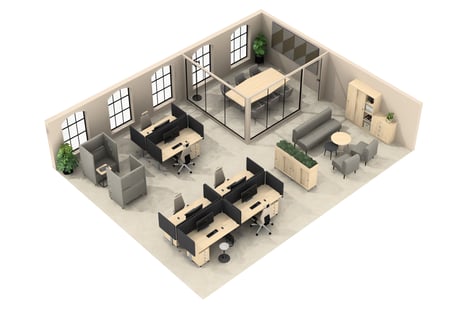
Modern & stylish - zones for focus and collaboration
Clearly divided zones for individual work, meetings and collaboration, all in neutral tones. A good fit for established teams that need order and structure without committing to a strong visual identity. Get inspired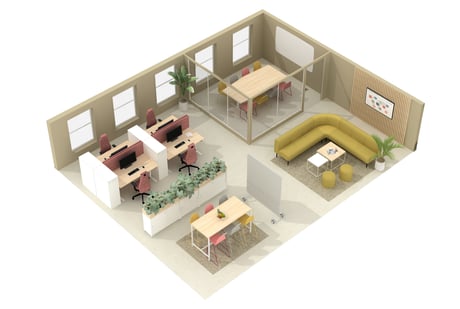
Colourful & daring - for a lively atmosphere
Colourful seating combined with a mix of oak and white furniture for a warmer, more energetic feel. Creative agencies, design studios, and marketing teams tend to thrive here.Get inspired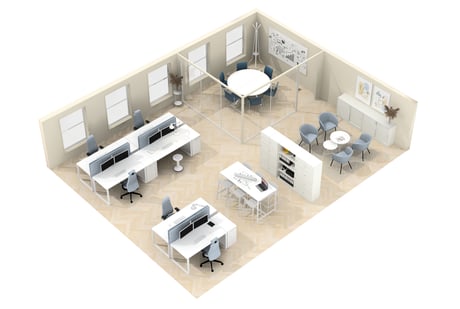
Bright & fresh - collaboration-first layout
An office built around collaboration, with multiple meeting spaces and a splash of colour against a mainly white interior. Suits teams that meet often, run client visits, or need flexible spaces for quick huddles and longer sessions. Get inspired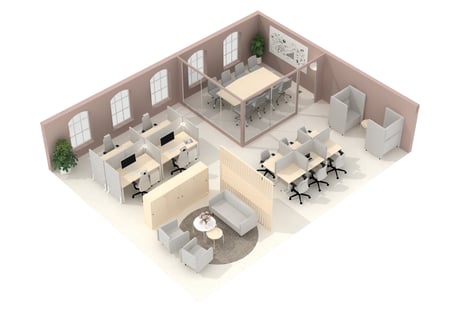
Nordic & peaceful - calm, flexible, Scandinavian
Neutral Scandinavian tones, soft seating and private pods alongside a hot-desking area. A natural fit for hybrid teams where attendance varies day to day and people need somewhere quiet when they're in. Get inspired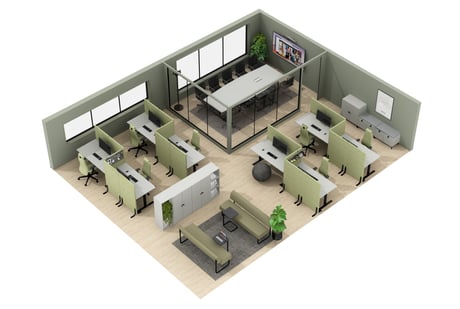
Simple & elegant - focused workstations
Individual workstations with high screens, a walled conference room and earthy tones throughout. Built for focus-heavy work where noise control matters and the room needs to feel calm rather than busy. Get inspiredExplore design concepts where colour and style meet function
Furnishing an entire office can feel like a challenge. That's why we've picked out furniture and accessories from our range, sorted them into stylish colour combinations and put them together in suggested layouts, so it's easier for you to see the potential. Maybe you'll get inspiration for your meeting room? Or find a style that suits your company perfectly! In these concepts, you get tips on how to use a colour scheme to create the right atmosphere and how to layout your space to best suits your team and needs.
Get help from our experts!
Our workplace design team can help with the practical side of an office refit, from selecting furniture and finishes to laying out the floor plan. Whether you're refreshing one room or planning a full move, we'll work through the options with you and find what fits the business.
No project is too big or small!

Office furniture layout principles
Whichever concept you go with, the same planning decisions come first.- Zoning – focus work, collaboration, meetings and social time all need different settings. An open-plan office that tries to support all four in one undifferentiated space tends to do none of them well. The five concepts above all use zoning; the difference is the proportion and the tone.
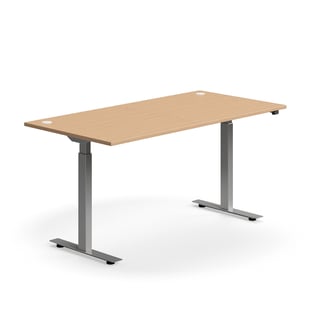
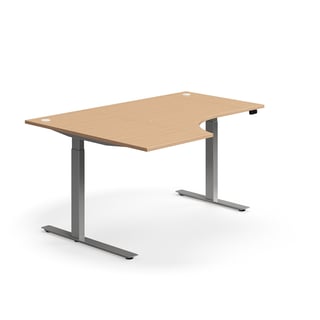
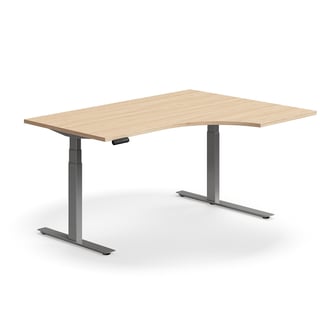
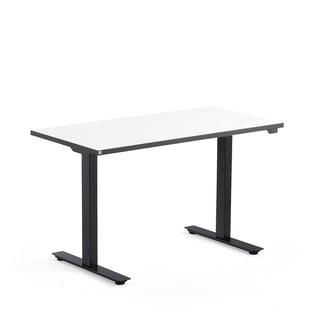
- Workstation spacing and ergonomics – the British Council for Offices recommends 6–8 m² of net space per desk. Walkways between rows of workstations should be at least 1,500mm wherever possible, with 1,200mm the absolute minimum. Every screen-based workstation has to meet HSE Display Screen Equipment requirements on chair adjustability, desk depth (700mm minimum), lighting and screen position.
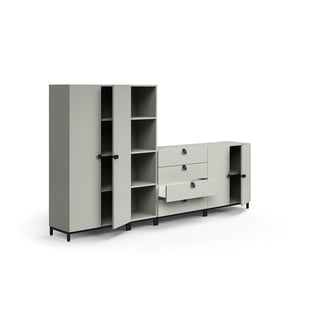
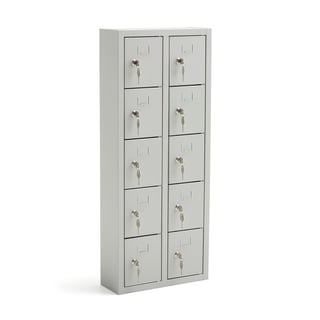
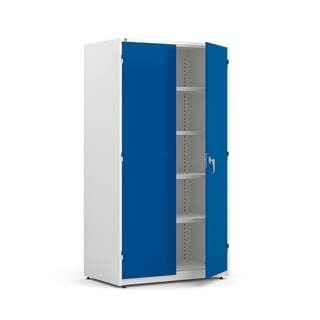
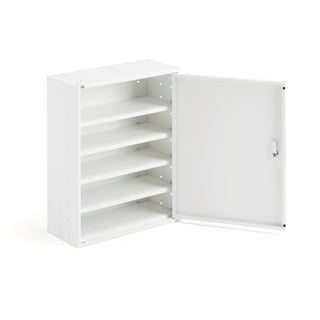
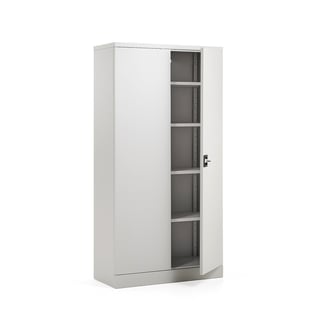
- Storage by role - the team that handles physical documents needs different storage to the team that lives in cloud apps. Sales teams need somewhere accessible for samples and presentation materials. Finance teams need lockable cabinets for confidential paperwork. Plan storage around what each team uses day to day, rather than a uniform line of cabinets along one wall. See our office storage range for the main options.
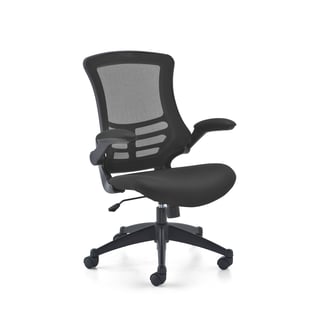
- Seating by task - an office chair for focused work has different requirements to a conference chair used for an hour at a time, or a soft seat in a breakout area. One chair shouldn't be expected to do all three jobs. The office chairs and conference chairs ranges are separated for that reason.
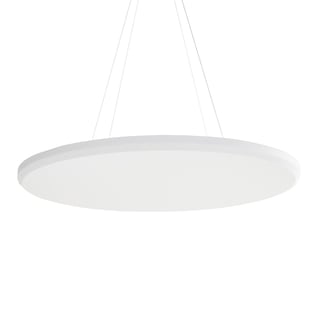
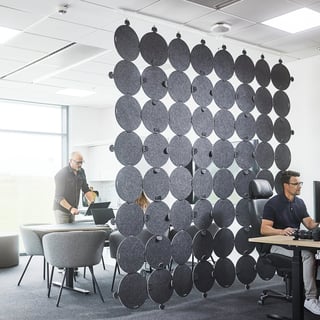
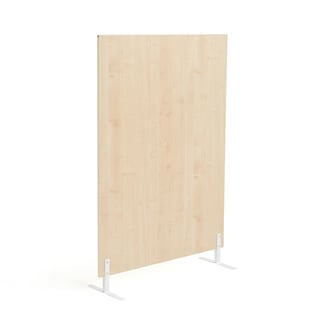
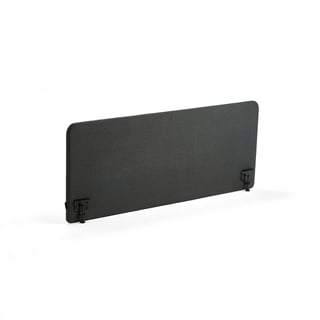
- Acoustics - open-plan offices fail on noise more often than on space. Acoustic panels and floor screens make more difference to perceived productivity than another row of desks. Plan the acoustic treatment alongside the layout, before staff start complaining about background noise.
How to plan an office furniture layout
Walk the existing office on a typical Tuesday or Wednesday. Note where people sit, which meeting rooms get booked, which sit empty, and where the noise complaints come from. That data is more useful than headcount alone.
- Establish your real occupancy pattern. Plan for peak-day attendance, not total headcount. For most hybrid teams that's a Tuesday or Wednesday. Count how many people are in on those days, and size the workstation zone for that number plus a small margin.
- Calculate space per workstation. The British Council for Offices recommends 10–12 m² of gross internal area per workstation, including circulation and shared facilities. Net useable space per desk is 6–8 m². Multiply by peak-day attendance for the workstation total, then add meeting rooms, breakout space and quiet zones on top.
- Block out zones on paper. Put workstations away from the entrance, with meeting rooms and acoustic collab sofas nearby. Soft seating and break spaces go somewhere with daylight if you can manage it. Keep heavy-traffic routes (printers, kitchen) away from the focus areas.
- Drop in real furniture dimensions. A standard desk is 1,600 x 800mm. A meeting table for six is around 1,800 x 900mm. A six-person soft seating cluster needs roughly 3 x 3m of floor space including circulation. If it all doesn't fit, the answer is fewer fixed desks and more hot-desking. Squeezing in smaller furniture rarely works in practice.
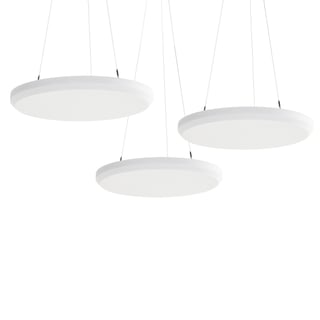
- Build acoustics and lighting into the layout. These get cut first when budget tightens, and they're the first things staff complain about afterwards. Specify the acoustic treatment and lighting at the layout stage, not as fit-out extras.
- Size the workstation area for peak-day attendance (usually Tuesday to Thursday) rather than total headcount. Use hot-desking, bookable workstations or shared zones for the rest. Add more meeting rooms than a traditional office would need, since in-office days are now disproportionately about meetings and collaboration. Build in flexible office furniture (standing desks, divider screens, modular seating) so the same space adapts as patterns change.
- No single layout suits every team, but offices that score well combine focus zones (individual workstations with acoustic privacy), collaboration zones (open tables, meeting rooms), quiet spaces (phone booths, library-style rooms) and social areas. Pure open-plan tends to score badly on focus work; pure cellular tends to score badly on collaboration. A mixed layout that lets people choose where to sit by task usually works best.
Get the latest product launches and offers sent direct to your inbox
Do you want to receive exclusive offers, information about new products and inspiration on how you can improve your workplace? Sign up for our free newsletter and be the first to receive our best offers.*By clicking subscribe, I confirm that I have read the privacy policy.