- AJ Products UK
- Inspiration
- Buying guides
- 5 things to consider when choosing an office chair
How to Choose the Best Office Chair: 5 Tips to Help You Pick
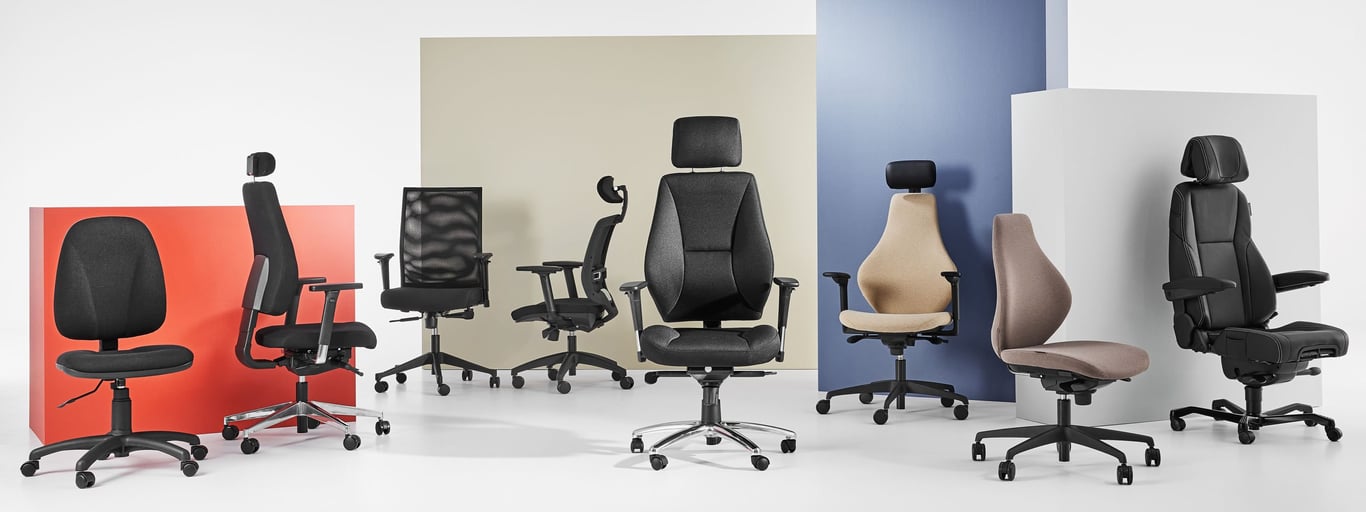
Office chair types: A quick comparison
| Sitting hours | Type of office chair | Best chair for | Key features | Recommended chair |
|---|---|---|---|---|
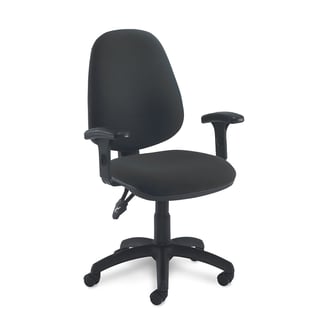
| Up to 4 hours per day | Basic task chair | Occasional desk work |
|
|
| Up to 8 hours per day | Adjustable ergonomic chair | Full-time office use |
|
STANLEY |
| 8–12 hours per day | Fully ergonomic chair with advanced features | Extended periods of sitting |
|
ALFORD |
| 24/7 use | Specialist high-performance chair | Continuous use / control room environments |
|
5 things to consider when buying an office chair
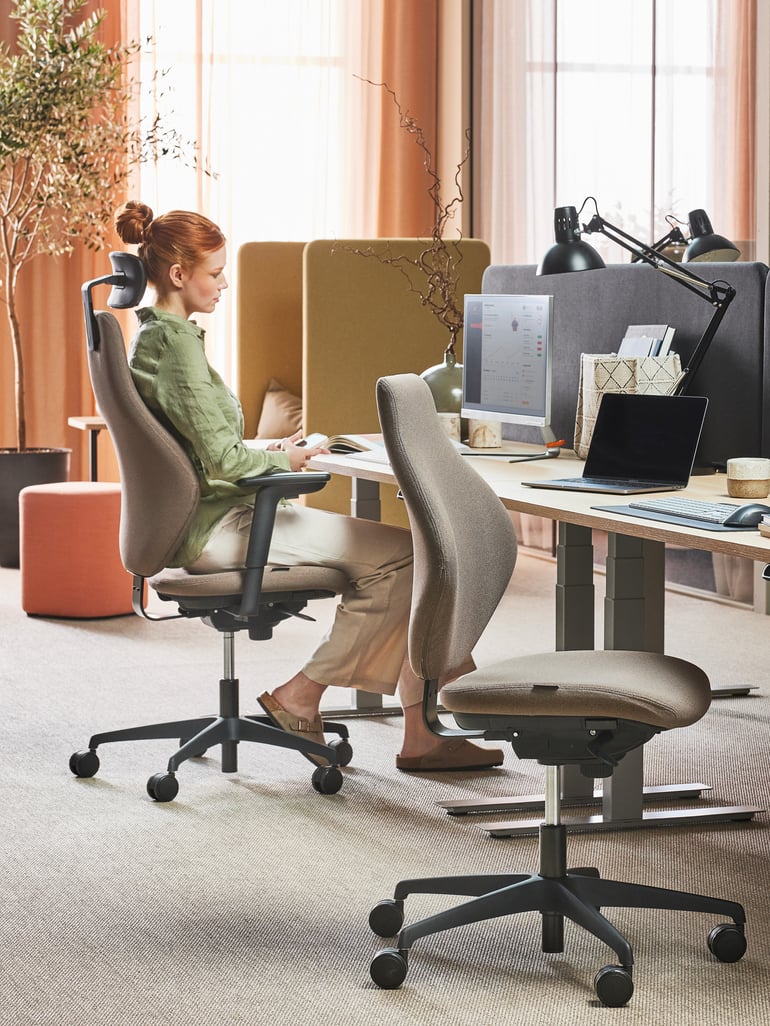
1. How many hours do you sit each day?
When looking for the best desk chair, the most important thing to consider is how long you spend sitting down in a typical working day. There are multiple types of office chair designed to support different levels of daily use, including simple chairs for those who rarely sit down, to more ergonomic options that make the best office chairs for those who work long hours.
Up to 4 hours: If you're often on the go, only sitting down occasionally, a relatively simple chair will do.
Up to 8 hours: If you stay seated for the majority of your working day, a chair with good adjustability is recommended, so you can adjustable height and back support for continued comfort throughout the day.
12 hours: If you sit for long, uninterrupted periods, you’ll want to look for an office chair that’s fully ergonomic for enhanced lumbar support and adjustable features.
24 hours: For environments such as control rooms or shift-based roles, you’ll need a specialist chair with advanced ergonomic features that’s designed specifically for continuous use.
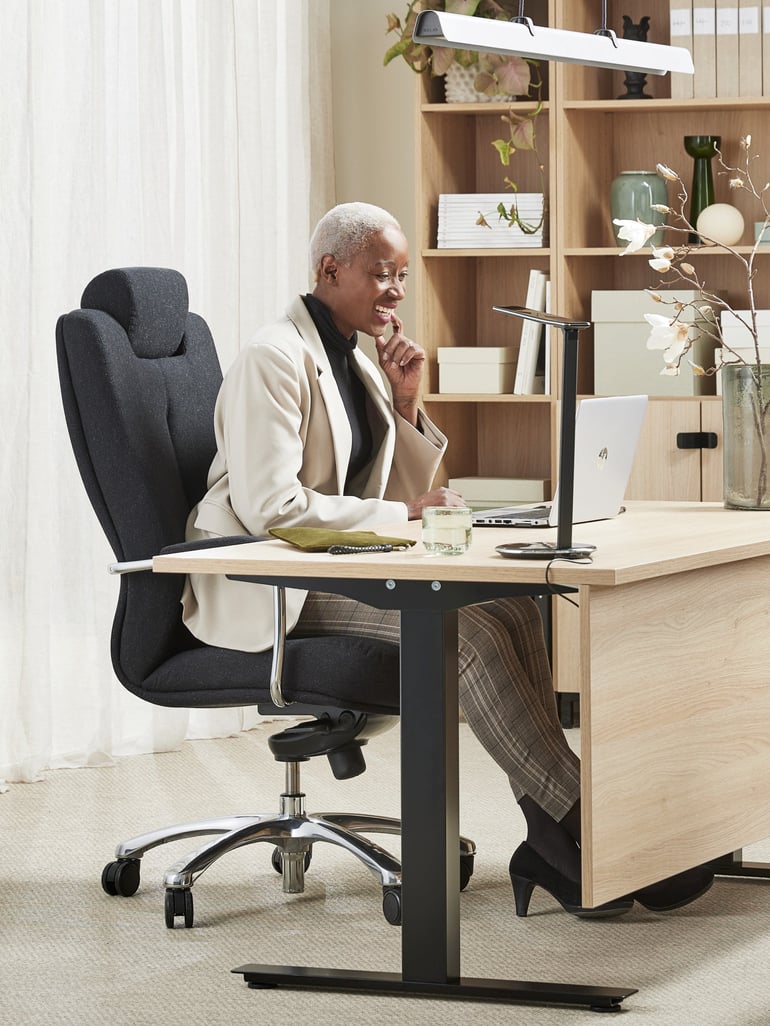
2. Look for essential ergonomic features
- Adjustable height: The level of your desk chair will be determined by your height. Your feet should rest flat on the floor, while your back is pressed against the back rest and knees are at around a 90-degree angle.
- Adjustable seat depth: Ideally, there would be a small gap between the edge of the seat and the back of your knees, which allows proper circulation in your legs.
- Adjustable backrest height: The backrest should follow the natural curvature of the lumbar spine and pelvis, so an adjustable backrest is essential to accommodate for differing heights.
- Tilting seat: This encourages good posture by tilting the seat forward slightly, reducing pressure on the lower back.
- Adjustable armrests: Correct adjustment of armrests reduces strain on your shoulders, neck and upper body.
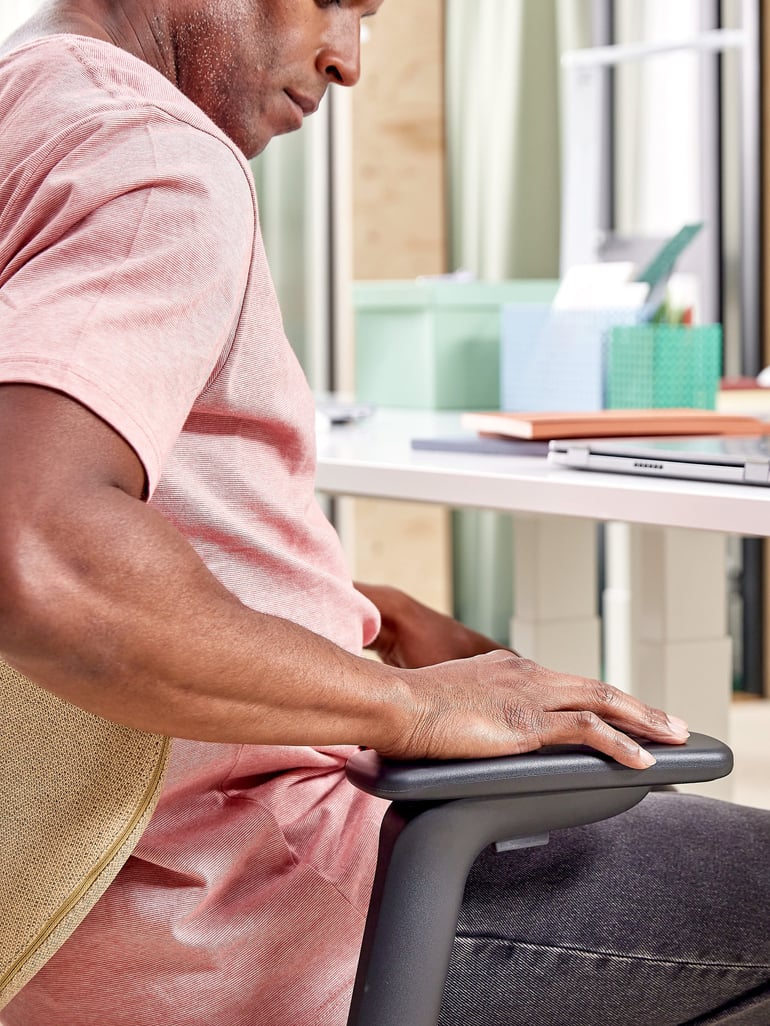
3. Choose chair mechanisms based on your movements
- Permanent contact back (PCB): The backrest moves with the upper body movements while the seat remains fixed in place. Best for: simple, everyday use
- Swing mechanism: When the backrest and seat move together when reclining. Best for: basic comfort
- Synchronised mechanism: The backrest and seat move in coordination as you recline, allowing you to lean back comfortably without lifting your legs off the floor. Best for: longer hours and ergonomic support
- Multi-synchronised mechanism: Similar to the synchronised mechanism, this option adds extra flexibility to adjust the seat and backrest independently, giving extra freedom of movement. Best for: support and freedom of movement
- Asynchronous mechanism: The seat and backrest can move independently of each other, giving you full control to customise the angle of the seat tilt and the recline of the backrest separately. Best for: tailored setups and advanced ergonomics
4. Consider additional office chair accessories
High or low backrest: A way to ensure additional comfort based on your height. Taller users may prefer a high backrest, while shorter users may benefit from a lower design.
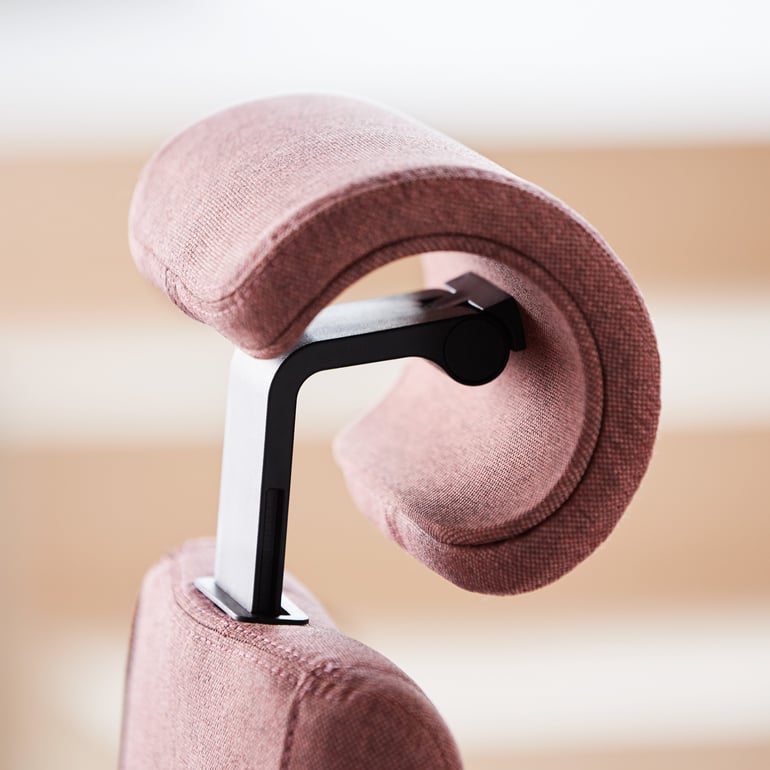
Headrest: Provides extra head support, particularly when reclining.
Armrests: Not all office chairs may have armrests, but they can make a big difference to comfort and posture by reducing the strain on your upper body.
Mesh back: Designed to allow airflow, a mesh back can be a comfortable choice if you work in warmer environments.
Alongside a comfortable desk chair, you can use active seating, such as balance balls, office stools and saddle chairs, to increase movement and variation throughout the day.
Find out more about how active seating improves workplace health
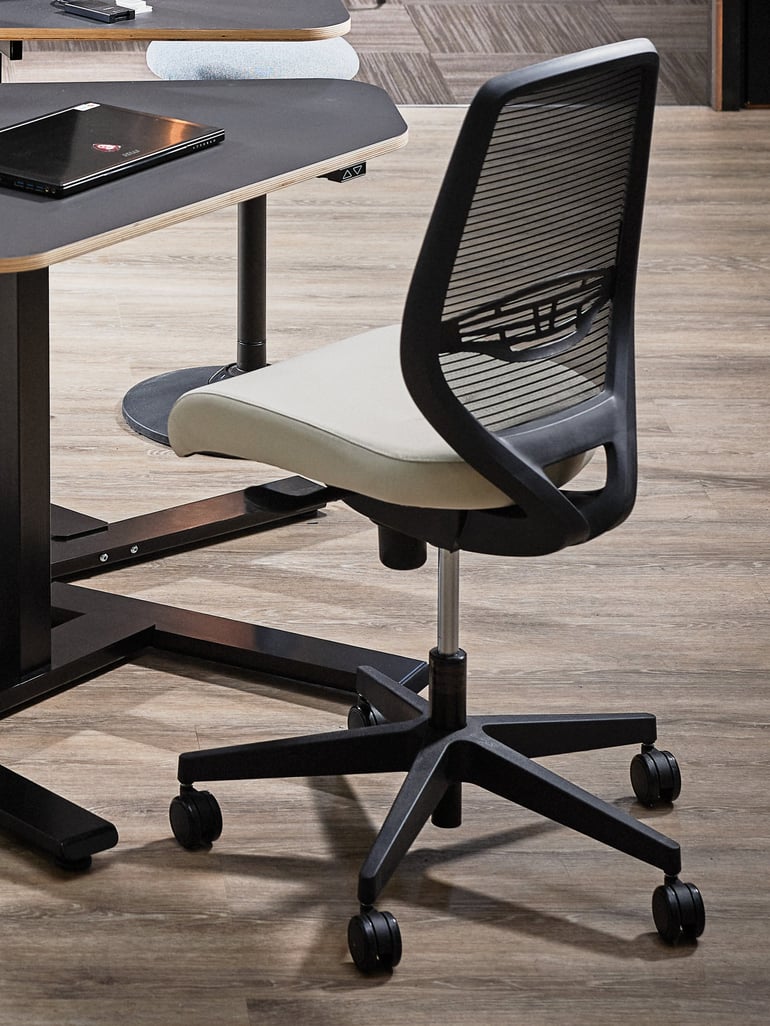
5. Choose a style, material and finish that suits you and the space
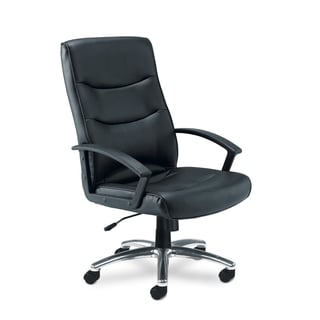
- Material: Fabric chairs may be more comfortable for everyday use, while leather or faux leather can offer a more premium look if you welcome clients into your office space.
- Colour: Certain colours may complement your workspace better, whether it’s your home office or corporate environment.
- Design: Consider how the chair fits with your desk and overall office style if you want to balance aesthetics with practicality.
The best office chairs for comfort, support and everyday use
-
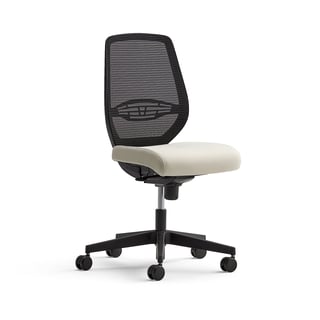
HURRAY: best sustainable economic chairAn everyday office chair that brings together comfort and sustainability.
- The ergonomically shaped seat and backrest support the natural curve of your spine
- Enveloping backrest follows your natural movement for continuous support
- Upholstered with 100% recycled, removable and washable fabric
- The headrest can be adjusted for personalised neck and head support
-
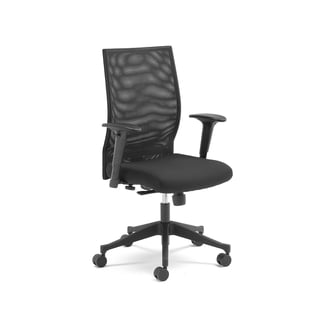
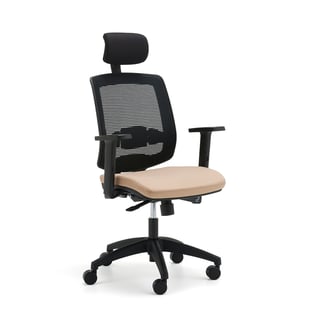
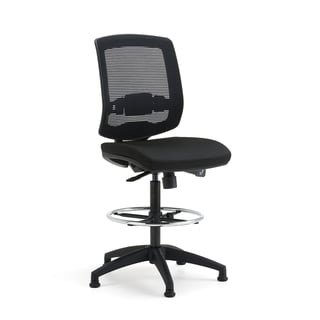
STANLEY: the best budget office chairAn affordable model that doesn’t compromise on comfort.
- Adjustable lumbar support to reduce lower back pain
- The mesh-covered backrest provides comfortable air flow to keep you cool
- The synchronous mechanism keeps movement balanced and natural
-
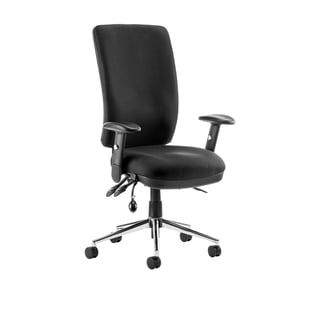
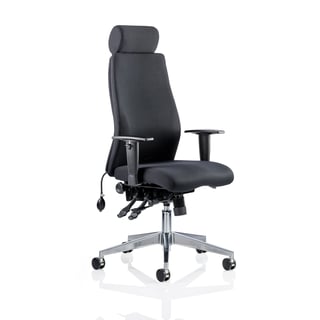
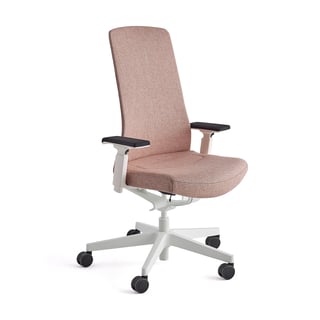
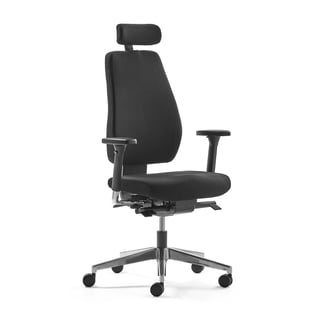
STIRLING: best high-back desk chair for supportBuilt for comfort with enhanced support for long hours at your desk.
- The generously padded seat, backrest and headrest offer all-day comfort
- Adjustability in the backrest and headrest provide upper body support
- A synchronous mechanism encourages natural, ergonomic movement
- The armrests can be adjusted in both height and side direction
- LANCASTER: best office chair for style and colour options
A modern office chair that combines flexibility and comfort.
- Upholstered in durable fabric made from 100% recycled materials
- The synchronous mechanism supports natural, ergonomic movement
- Sleek design with a narrow seat and back
- The seat and backrest are upholstered with moulded foam for extra comfort
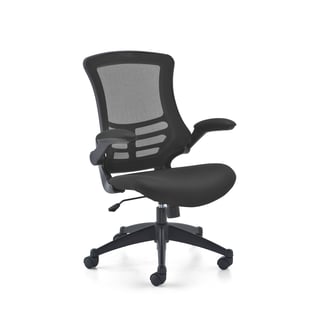
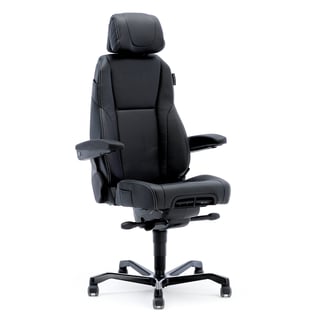
- RAMSEY: best office chair for long hours
Engineered for demanding environments, RAMSEY delivers comfort and durability.
- Certified for 24-hour use, suitable for long work shifts
- Inflatable lumbar cushion for lower back support
- The rocking mechanism is weight-sensitive for personalised movement
- The armrests are fully adjustable in both height and side direction
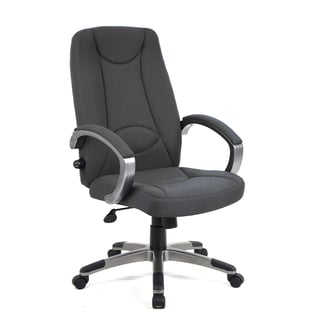
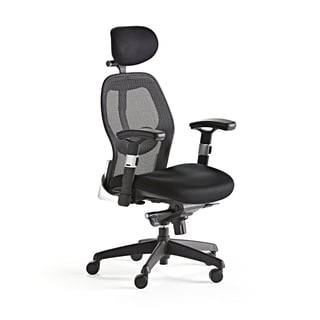
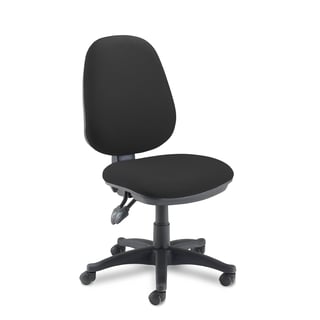
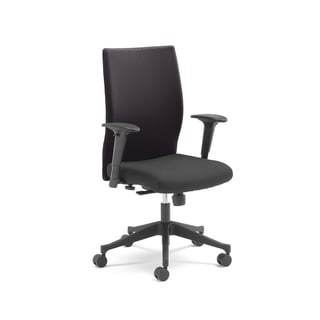
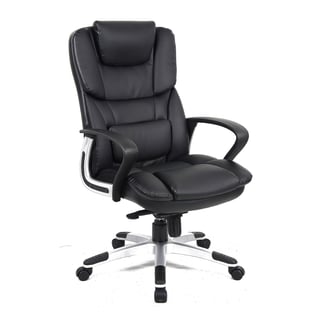
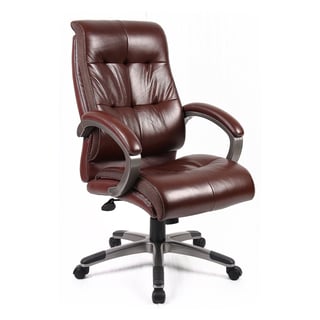
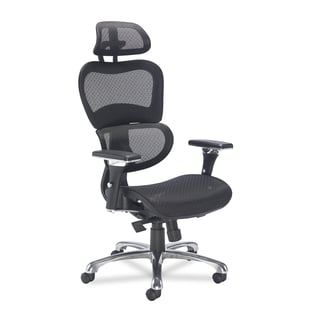
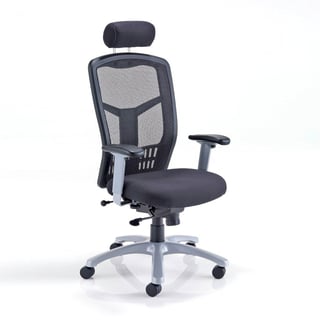
Our wide range ensures that you will find an office chair that suits you, no matter who you are. If you have trouble choosing, you are always welcome to contact us – we will be happy to help you!
FAQ
- If you suffer from back pain, it’s best to choose an office chair with ergonomic features as it will provide proper lumbar support and encourage a healthy sitting posture. When buying an office chair, look for one with adjustable lumbar support, seat depth and backrest height so it can be tailored to fit you.
A synchronised or tilt mechanism can also help by allowing the chair to move with you, ultimately reducing pressure on your lower back.
When sitting at your desk, try to adjust your chair regularly to avoid sitting in one position for too long. - To choose the best office chair, start by considering how long you sit down each day and the level of support you need. For occasional or short-term use, a simple chair may be sufficient, but if you sit for up to 8 hours a day, or more, an ergonomic office chair with adjustable lumbar support and a synchronised mechanism is usually the best choice.
- The best office chair for long hours (8+ per day) is an ergonomic chair that designed for extended use. It should include adjustable seat height, lumbar support, armrests and a suitable chair mechanism to support movement throughout the day. Breathable materials such as mesh can also improve comfort during extended use.
- An ergonomic office chair is designed to support your body, distribute your weight more evenly and promote a healthier way of sitting. The main benefits include:
- Improved posture
- Reduced back pain
- Less strain on the neck
- Reduce fatigue
- Increased comfort over longer periods
- Improved focus
- The best desk chair mechanism depends on how you work, but a synchronised mechanism tends to be the most popular. This type of office chair allows the seat and backrest to move together, helping you recline without losing proper posture, offering a balance of comfort and support.
Multi-synchronised or asynchronous mechanisms provide greater control over your seating position if you sit for longer periods. Simpler mechanisms, such as permanent contact back or tilt functions, can still be suitable for lighter use. - Expensive office chairs tend to offer a greater range of high-quality ergonomic features and advanced adjustability, which can be worth the investment if you spend long hours sitting at a desk.
While budget chairs may be suitable for occasional use, investing in a comfortable well-designed ergonomic office chair can help prevent discomfort and reduce the risk of strain if you spend more than 4 hours sitting at a desk each day. - Your desk chair should be adjusted to a height that allows your feet to rest flat on the floor, with your knees level with, or slightly below, your hips. This helps maintain proper posture and reduces pressure on your lower back.
Your back should be fully supported by the backrest and arms should rest comfortably at desk height. If your chair includes a headrest, it should be set at a level that supports your neck, rather than pushing your head forward. - Gaming chairs and office chairs are designed for different purposes. Gaming chairs are engineered to support short bursts of focused activity and often feature deep recline and bold styling. However, they may lack the ergonomic adjustability needed for long working days.
Office chairs, particularly ergonomic models, are designed to support posture, reduce strain and provide comfort over extended periods. For daily desk work, the best choice is an ergonomic office chair. - Adjustable lumbar support is a type of lumbar support that can be adjusted to fit the curvature of your lower back. This can help to provide better support and reduce back pain. Inflatable lumbar support is a type of lumbar support that can be inflated or deflated to adjust the amount of support it provides. This can be helpful for people with different levels of lumbar support needs.
- Active furniture is furniture that is designed to encourage movement and reduce the risk of sitting for extended periods of time. Active furniture includes chairs with features such as rocking mechanisms, adjustable seats, and swivel bases.