- AJ Products UK
- Inspiration
- Improving the work environment
- Well-Furnished Lunch Rooms for Offices
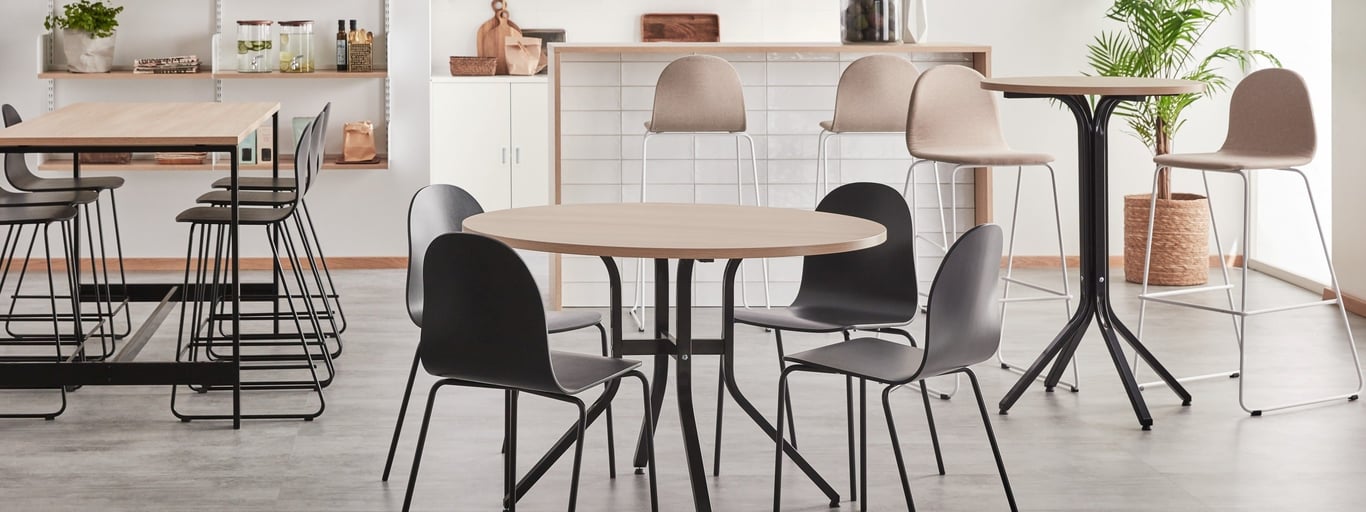
Office Canteen Ideas: How to Design a Better Breakout Space
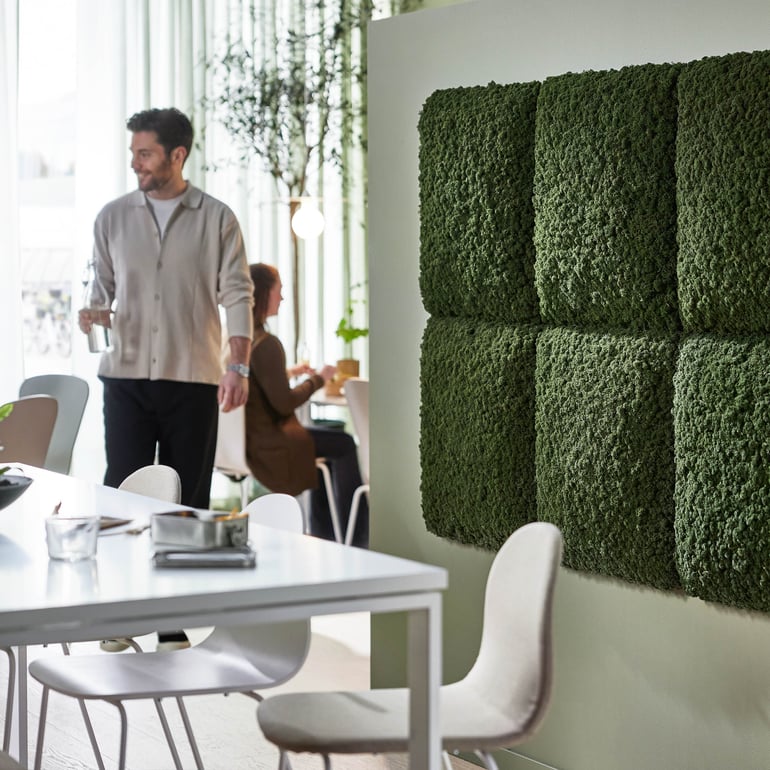
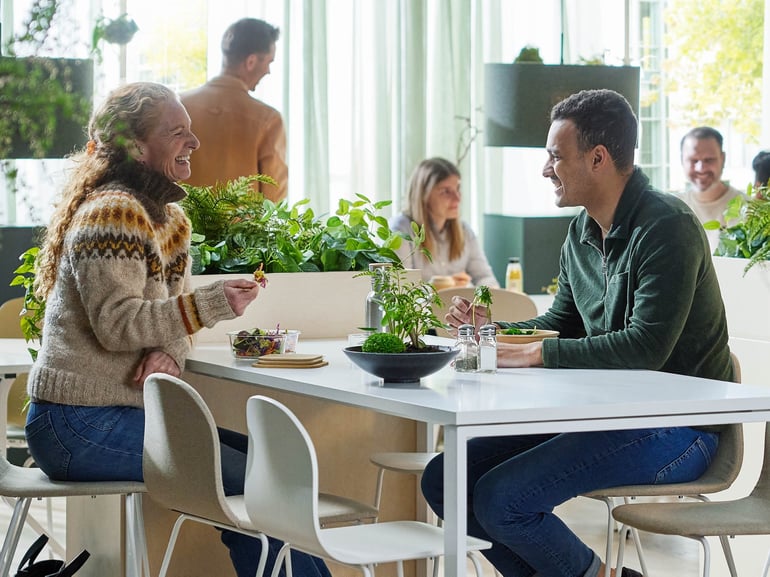
Why most canteens don’t work
What employees actually need (comfort, noise, layout)
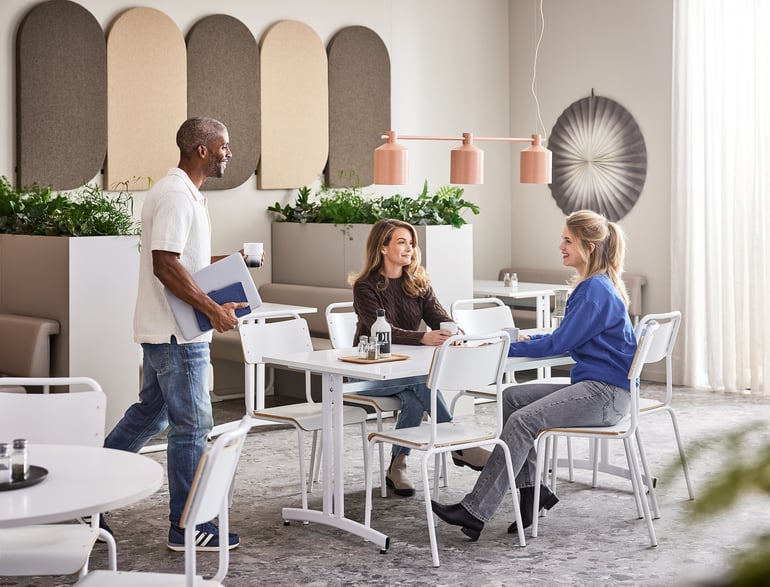
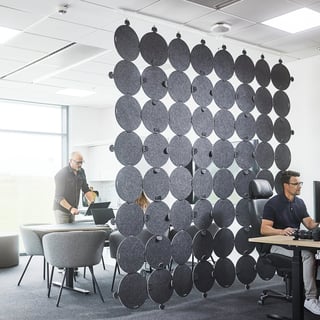
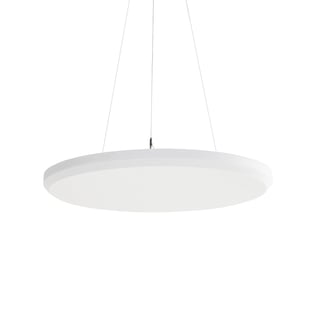
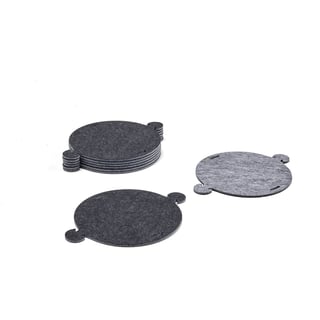
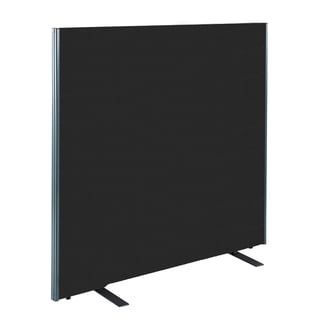
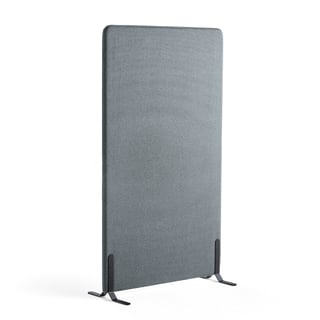
Then there’s noise. In busy workplaces, the lunch room often becomes the loudest space in the building. Without some form of zoning or soft furnishings to absorb sound, it can quickly feel overwhelming.
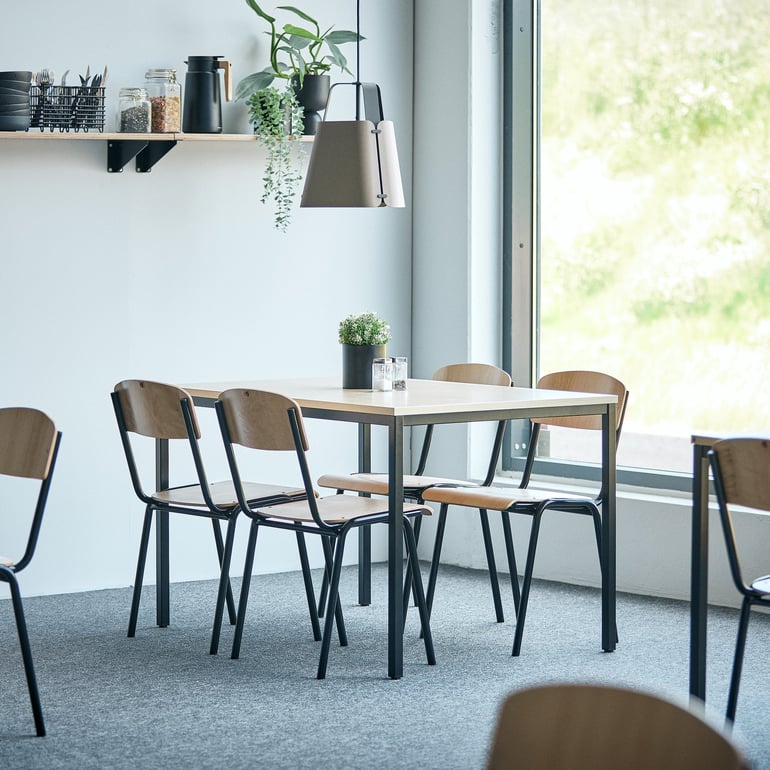
Layout ties it all together. People don’t all use the space in the same way. Some want to sit alone, others prefer group seating. A mix of table sizes and seating options makes the space more flexible and more inviting.
A simple rule worth keeping in mind: if the space feels easy to use, people will use it more.
Furniture that makes a difference (tables, seating, zoning)
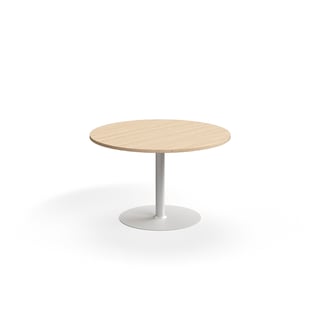
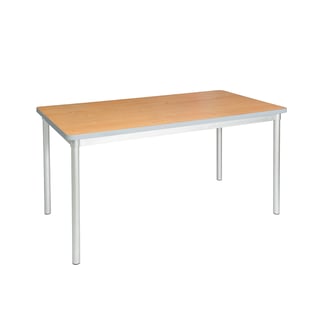
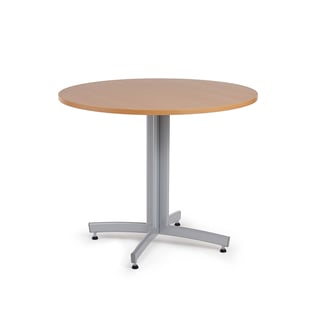
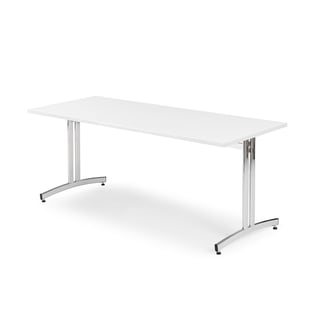
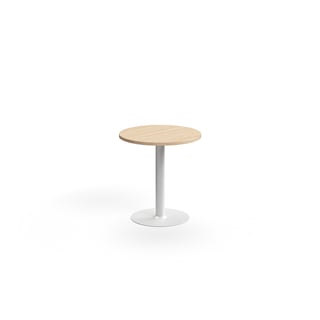
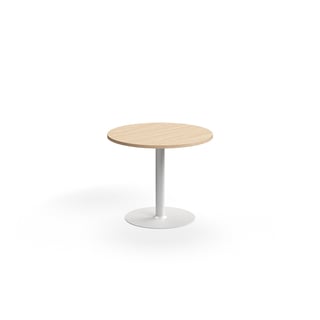
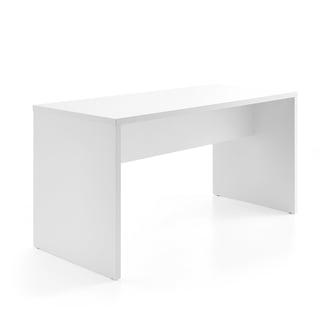
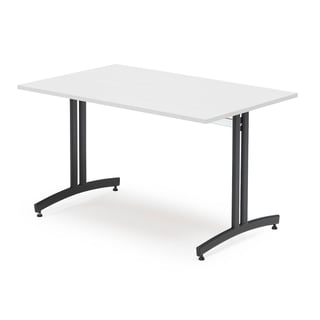
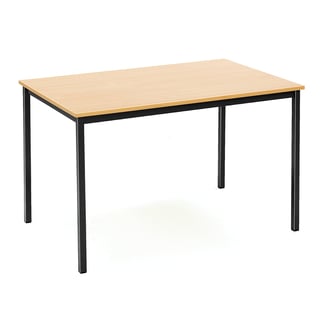
Tables: more than just a surface
- Smaller tables create flexibility and are easier to rearrange
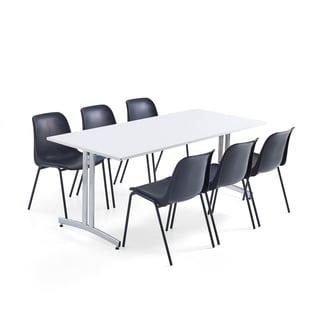
- Rectangular tables suit group seating
- Round tables encourage conversation and feel less formal
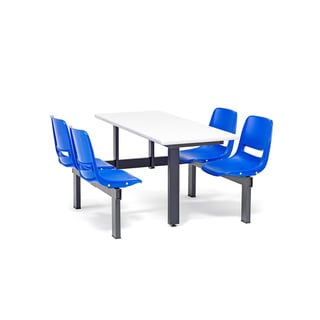
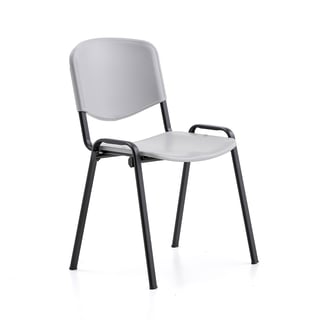
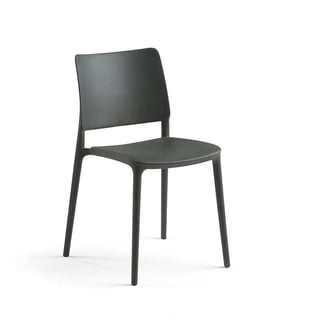
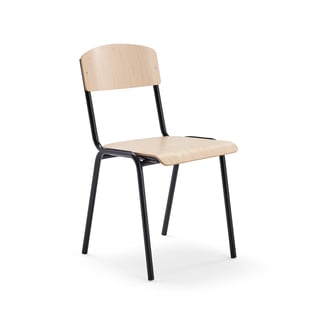
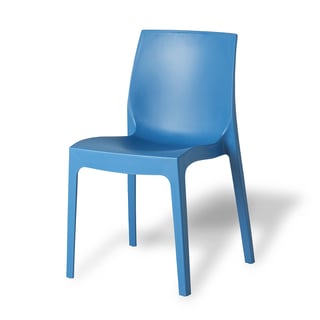
Seating: where comfort meets practicality
- Chairs with back support for longer breaks
- Benches or soft seating for more relaxed areas
- Durable materials that handle daily use
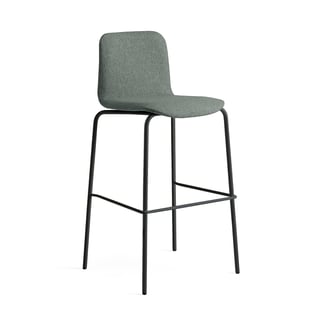
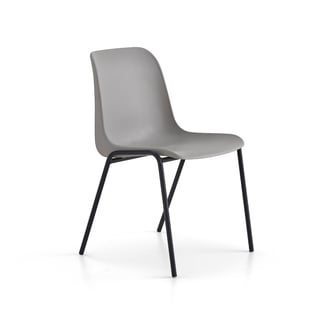
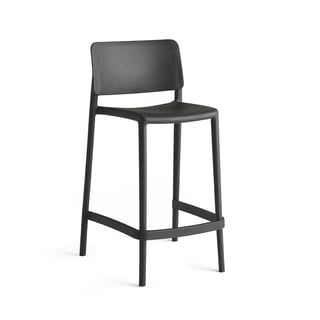
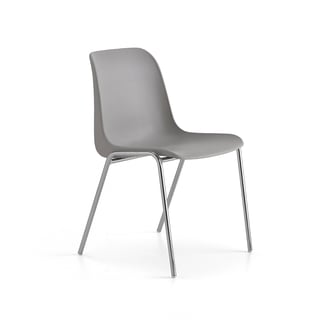
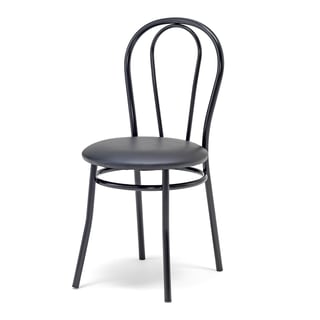
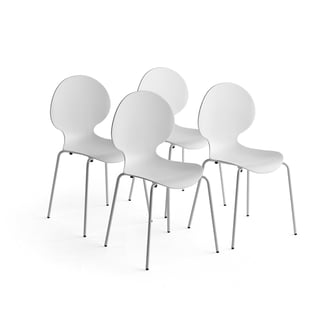
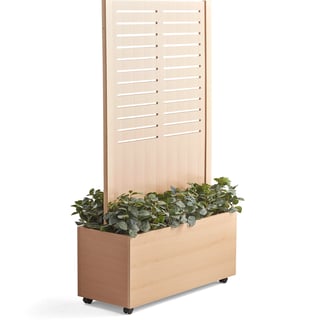
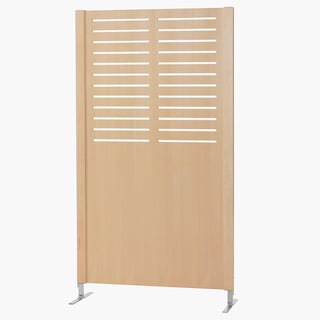
Zoning: creating structure without walls
Not every breakout space needs walls or dividers, but without some form of zoning, the room can quickly feel chaotic or underused. A bit of structure helps people instinctively understand where to sit and how to use the space.
For example, placing smaller tables near entrances works well for quick breaks or coffee stops. Further into the room, larger tables can support group lunches or team catch-ups without disrupting the flow of people coming and going.
You might also position quieter seating along the edges of the space, away from busy walkways or kitchen areas. This creates a more relaxed spot for those who prefer a calmer environment, whether they’re eating alone or taking a proper break away from noise.
In larger canteens, zoning can help manage peak times. A clear route between food prep areas and seating reduces congestion, while designated return or clearing points keep the space tidy and functional throughout the day. Even subtle choices like changing table shapes, adjusting spacing, or orienting seating differently, can guide behaviour without the need for physical barriers.
Small vs large spaces: making the most of what you have
- Use vertical space where possible
- Choose compact, stackable furniture
- Avoid oversized tables that dominate the room
Indoor vs outdoor breakout areas
Common mistakes to avoid
- Choosing furniture based on price rather than comfort or durability
- Using a single layout that doesn’t suit different needs
- Ignoring acoustics in busy environments
- Not reviewing the space as needs change over time
A space people actually want to use
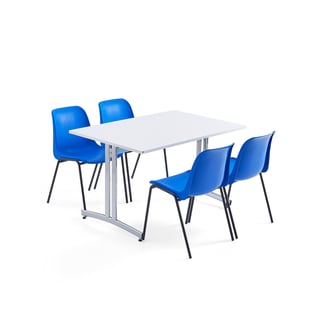
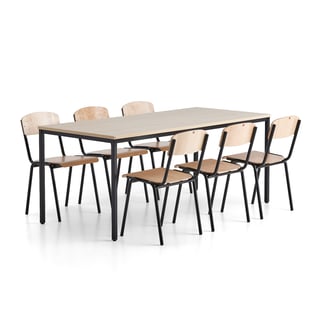
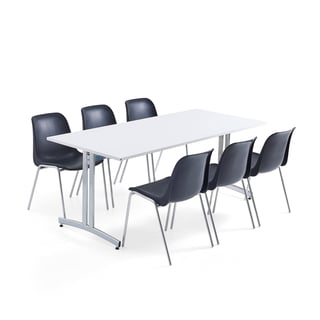
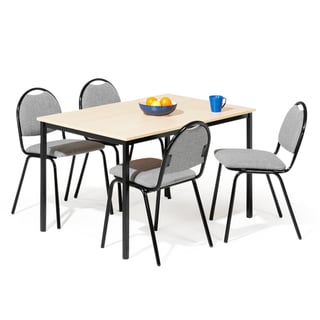
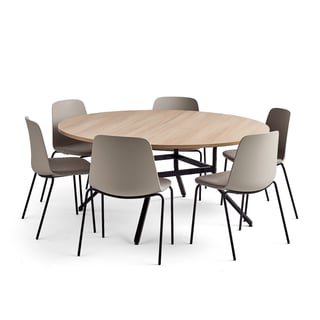
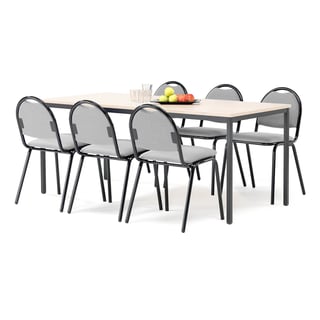
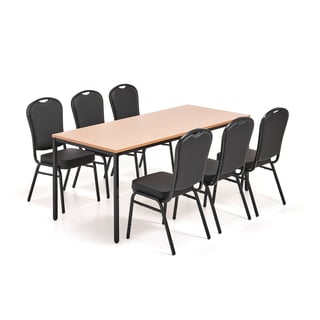
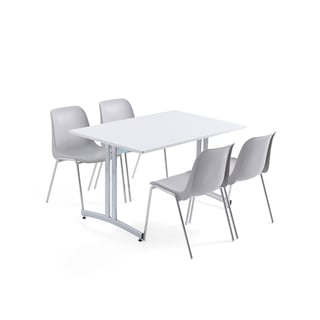
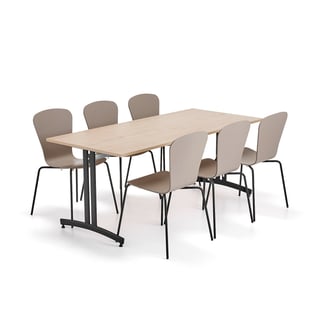
- Focus on comfort, durability and flexibility. Choose seating that supports longer breaks and tables that suit different group sizes and layouts.
- A mix of tables, comfortable seating, waste bins and clear zones for eating and relaxing. Good lighting and easy-to-clean surfaces also make a big difference.
- Use compact furniture, keep layouts simple and avoid overcrowding the space. Lighter colours and good lighting can also help the room feel more open.
- A well-designed space supports employee wellbeing, encourages proper breaks and can improve overall productivity and morale.
- A canteen is mainly for eating, while a breakout space is more flexible and used for relaxing, informal meetings or short breaks away from desks.In many modern workplaces, the two often overlap. A well-designed space can serve both purposes by combining dining areas with more relaxed seating and quieter zones. If you’re exploring how to create a space that does both, take a look at our adaptable and inviting canteen inspiration for ideas on layouts that support different ways of working and taking a break.