- AJ Products UK
- Blog: Tips to Inspire Happiness at work
- Improving the work environment
- The future of the workplace
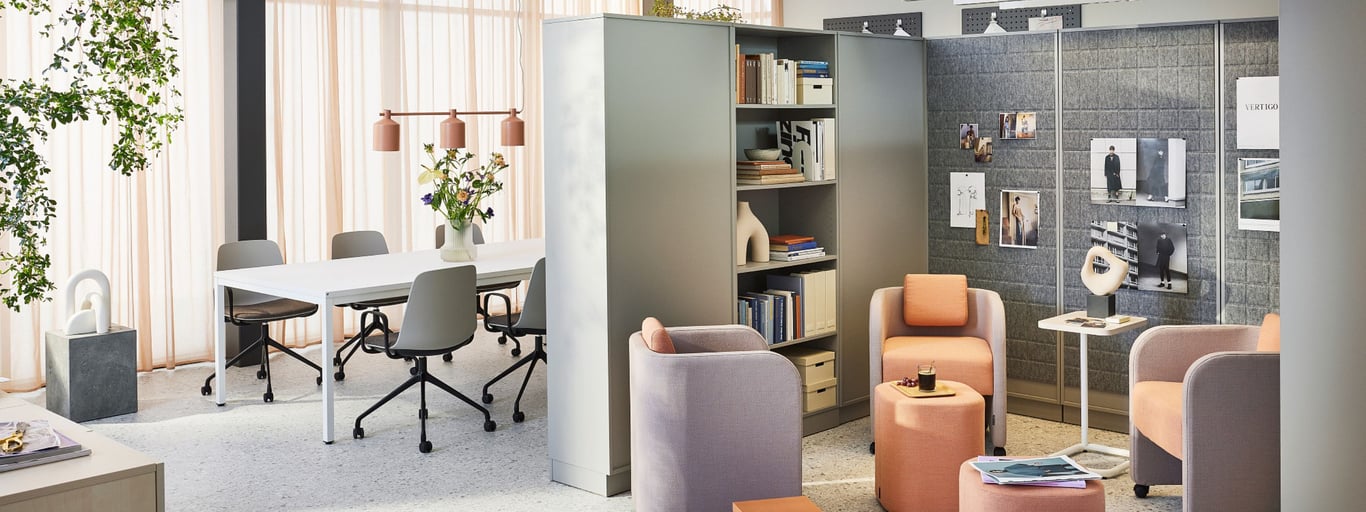
The future of the workplace – what Gen Z employees expect from employers (and how businesses can deliver)
Their responses provided a valuable and measurable insight into emerging Gen Z workplace expectations in the UK. Rather than focusing on dramatic technological shifts or purely aesthetic upgrades, the entries revealed a strong preference for human-centred, flexible and wellbeing-driven environments. Across all our applications clear patterns can be observed. These themes give employers practical guidance on how to shape future workplace design in a way that aligns with the expectations of tomorrow’s workforce.
- 95% prioritise flexible work environments
- 95% emphasise mental wellbeing support
- 89% include ergonomic health design
- 84% prioritise collaboration and social interaction
- 58% support biophilic design elements
Flexible office layouts are the foundation of the future workplace
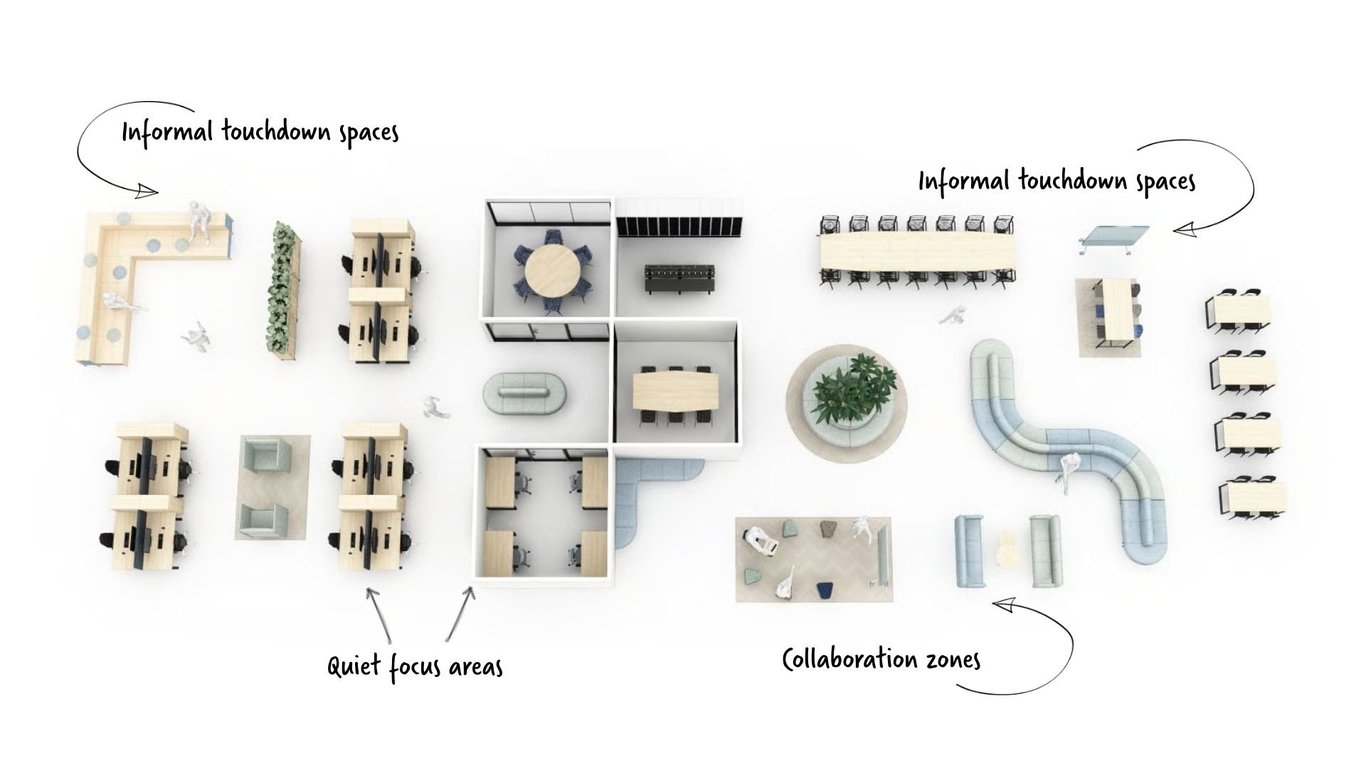
The most consistent theme across submissions was flexibility. An overwhelming 95% of entrants proposed flexible or multi-use environments. Students repeatedly rejected rigid layouts and static desk configurations. Instead, they envisioned workplaces that could evolve throughout the day, shifting between focused work, collaborative sessions and informal social interaction.
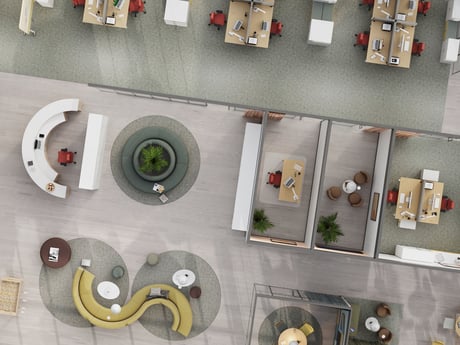
Future workplace design, in their view, must be adaptable by default. Spaces should not dictate behaviour, they should support it. This reflects a broader shift in modern office design, where employees expect autonomy over how and where they work. Flexible office layouts that incorporate modular furniture, mobile storage and reconfigurable meeting areas allow organisations to respond to changing team dynamics, project demands and hybrid patterns without costly redesigns.
For employers, this means moving beyond traditional desk allocation models and embracing zoning strategies that prioritise versatility.
Workplace wellbeing is non-negotiable
If flexibility was the structural theme, wellbeing was the emotional core. 95% of submissions embedded mental wellbeing into their core design principles. Quiet rooms, decompression spaces, reduced sensory overload and psychologically safe layouts were recurring concepts. These were not treated as optional extras; they were foundational elements of the workplace.
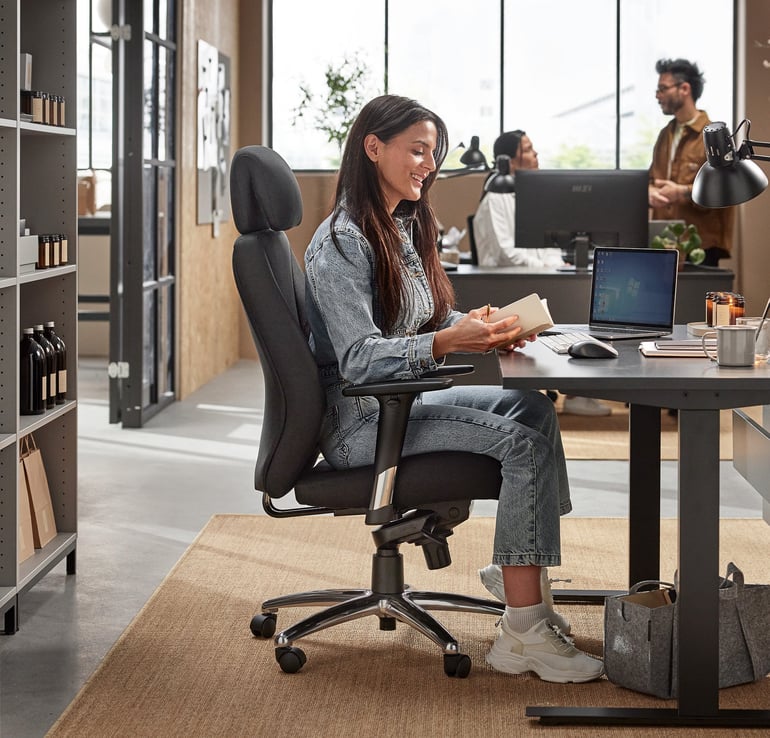
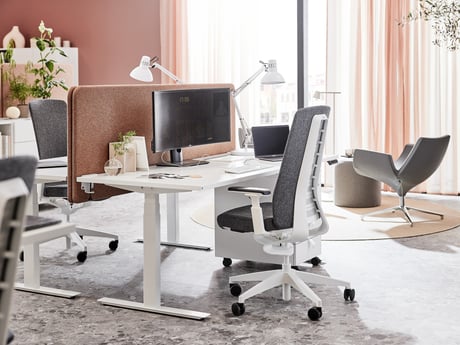
In parallel, 89% of entrants incorporated ergonomic or physical health interventions. Sit–stand desks, posture-supportive seating, improved lighting quality, better air circulation and movement-promoting design were frequently referenced. Students demonstrated a sophisticated understanding that workplace wellbeing encompasses both mental and physical dimensions.
This expectation reflects a broader shift in the UK employment landscape. With rising awareness around burnout, stress and long-term mental health, wellbeing is increasingly viewed as a strategic priority rather than a benefits add-on. The CIPD’s, in its “Health and wellbeing at work” report shows that around a third of UK organisations say their health and wellbeing initiatives have led to better employee morale and engagement, plus a healthier and more inclusive culture.
For employers shaping the workplace of the future, wellbeing is no longer a differentiator but a basic requirement.
Social connection remains central to employee engagement
Despite ongoing discussion around remote and hybrid working, the scholarship data makes one point clear: social connection remains essential.
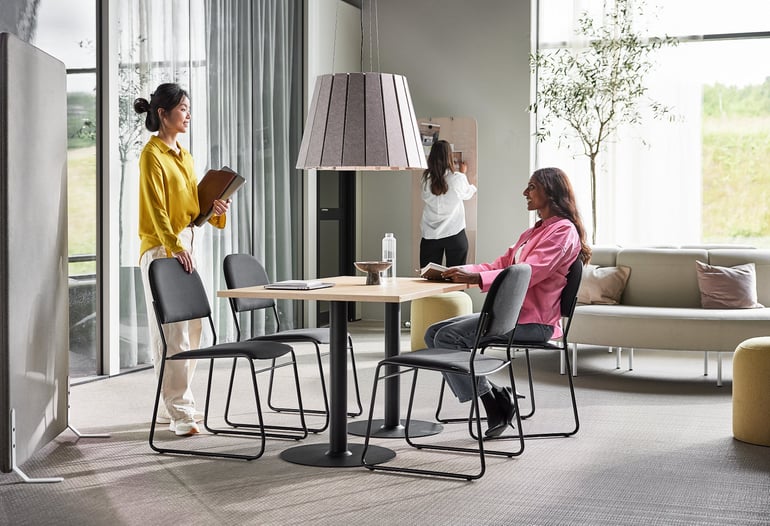
84% of participants prioritised collaboration and interpersonal connection in their workplace concepts. Students consistently proposed layouts that encourage interaction, shared problem-solving and informal exchange.
Interestingly, only 37% explicitly referenced community-style break areas such as cafés or dedicated staff hubs. Instead, social connection was typically integrated into the broader workspace through collaborative zones, informal seating clusters and open-yet-structured layouts.
This suggests that the next generation does not see socialisation as something confined to a breakout room. They expect interaction to be woven into the everyday fabric of the workplace.
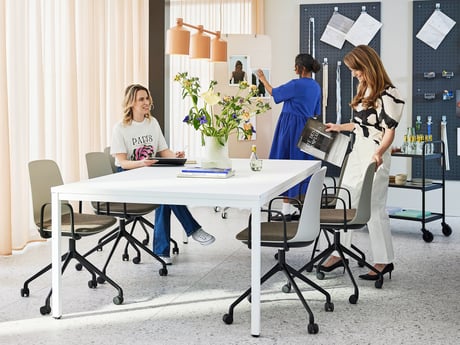
For organisations focused on improving employee engagement in the workplace, this has clear implications. Designing natural gathering points, integrating soft seating within work areas and creating visually open environments can strengthen organic collaboration without compromising productivity.
Culture and design must work together
One of the most revealing insights from the competition was the emphasis on organisational culture.
79% of submissions included cultural or policy-based interventions alongside physical design proposals. Students referenced open forums, recognition systems, wellbeing metrics, transparent communication and HR policy evolution.
This demonstrates an important shift in thinking. Emerging professionals understand that workplace culture cannot be solved through layout alone and that physical space must reinforce behavioural intent.
For employers, this means aligning modern office design with company values. Transparent meeting spaces can reinforce openness, shared leadership zones can symbolise accessibility and flexible collaborative areas can support flatter communication structures.
Biophilic design and environmental atmosphere matter
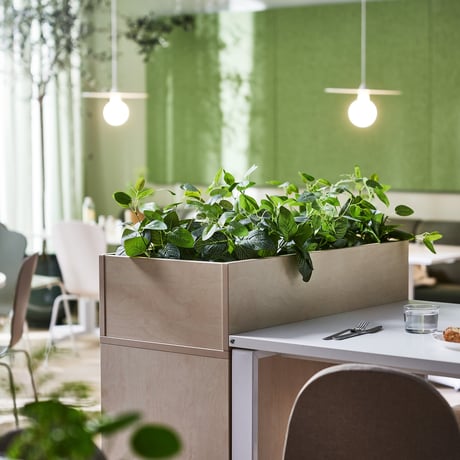
More than half of the submissions (58%), incorporated biophilic or nature-inspired design elements. Students emphasised natural light, planting, organic materials and calming colour palettes. Some referenced environmental soundscapes and atmospheric design choices aimed at reducing stress and improving focus.
This indicates a growing awareness of how environment influences mood and cognitive performance.
For employers, incorporating natural materials, softer visual palettes and access to outdoor or light-filled spaces can significantly enhance how the workplace feels. These design choices contribute directly to employee satisfaction and perceived quality of the environment.
Sustainability is present, but human experience dominates
Technology supports rather than leads
Hierarchy is rarely a primary concern
What this means for UK employers
- Flexible office layouts that adapt to changing needs
- Visible commitments to workplace wellbeing
- Environments designed for social connection
- Cultural transparency supported by physical space
- Human-centred modern office design
Organisations that continue to prioritise static desk planning and purely functional layouts risk falling behind evolving Gen Z workplace expectations in the UK. Conversely, employers who invest in adaptable furniture, ergonomic solutions, acoustic zoning and thoughtfully designed social areas position themselves as forward-thinking and employee-focused.
The future workplace is not defined by technology alone. It is defined by how effectively it supports the people within it.
The next generation has already articulated what they want. The question now is: Are businesses ready to design for it?
Get the latest product launches and offers sent direct to your inbox
Do you want to receive exclusive offers, information about new products and inspiration on how you can improve your workplace? Sign up for our free newsletter and be the first to receive our best offers.*By clicking subscribe, I confirm that I have read the privacy policy.