- AJ Products UK
- Inspiration
- Improving the work environment
- Designing the communication-first workplace: The winning entry from our first scholarship programme
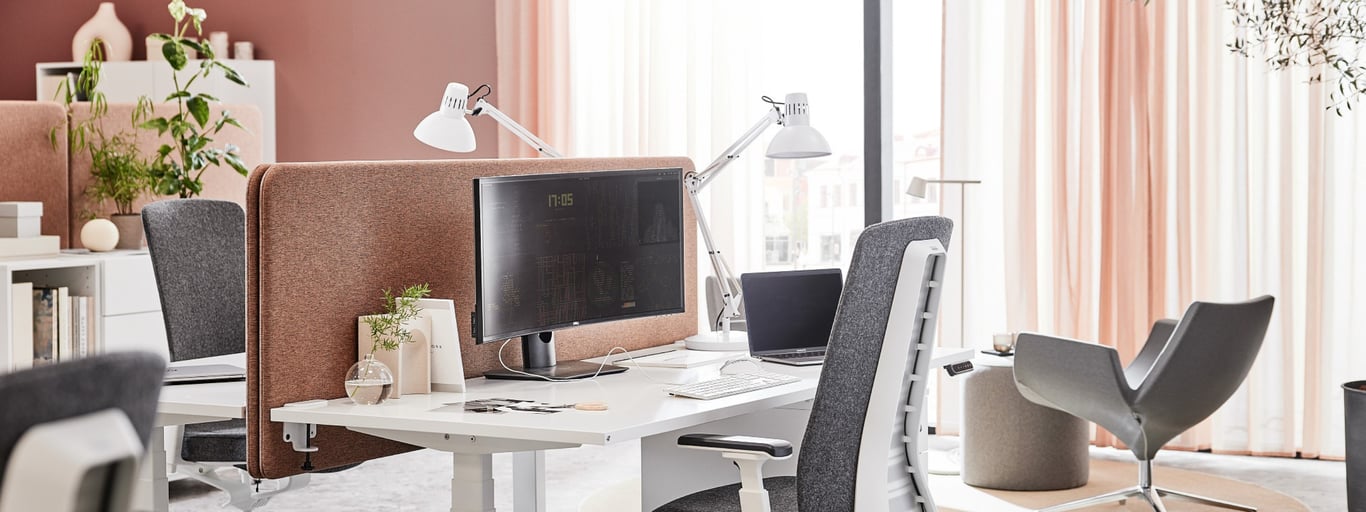
Designing the communication-first workplace: The winning entry from our scholarship programme
As a supplier of workplace furniture and equipment across offices, warehouses, schools and public environments, we see first-hand how physical space influences behaviour, focus and connection. For this inaugural scholarship, we asked students to share their vision of the workplace of the future as something organisations could begin working towards today.
The response exceeded our expectations. We received a diverse range of thoughtful, creative and highly personal entries and, after careful consideration, one submission stood out for its clarity, empathy and practical application.
We are delighted to announce Riaz Khan as the winner of our first AJ Products UK Scholarship. Riaz is a Speech and Language Therapy student, and his entry brings a unique, communication-led perspective to workplace design.
Below, we are proud to publish Riaz’s winning entry in full.

Designing the communication-first workplace:
A practical way to improve wellbeing and Happiness at work
By Riaz Khan, AJ Products UK Scholarship Winner
When I’m trying to do deep work, the difference between a quiet space and a noisy open-plan space is not subtle. In a loud environment, I end up rereading the same paragraph, losing my train of thought, and feeling tense for no good reason. The work gets done, but it costs more energy than it should.
As a Speech and Language Therapy student, I’m constantly learning how much of our wellbeing depends on the “invisible workload” of communication: listening effort, interruptions, background noise, and the pressure to stay switched on. In many modern workplaces, the physical environment quietly turns that invisible workload into daily stress.
A lot of offices have moved towards open-plan layouts because they are flexible and efficient on paper. In real life, open-plan often creates three problems that directly impact wellbeing.
First, noise and interruptions increase cognitive load. Even when you are not actively listening, your brain still processes background conversation, footsteps, phone calls, and sudden sounds. That constant “low-level vigilance” drains focus and increases fatigue.
Second, open-plan changes how people speak. When a space is noisy, people raise their voices or repeat themselves, which can cause vocal strain over time and increase social stress.
Third, open-plan can be unfair. People differ massively in how they cope with noise and interruption, especially neurodivergent employees or those who are more sensitive to sensory overload. When the environment forces everyone into the same soundscape, it creates avoidable stress, reduced confidence, and burnout.
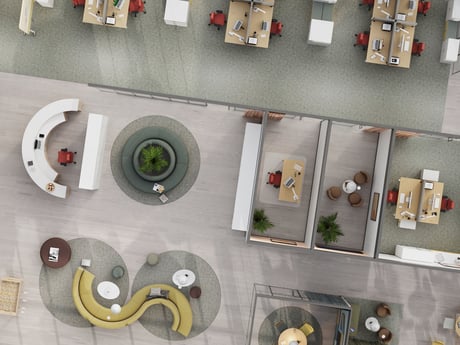
My proposal is a straightforward adaptation that companies can implement without rebuilding an entire office: a communication-first workplace layout built around three clear zones and a few supportive design features. The key idea is simple: different tasks need different environments, and wellbeing improves when the physical space makes the “right environment” easy to access.
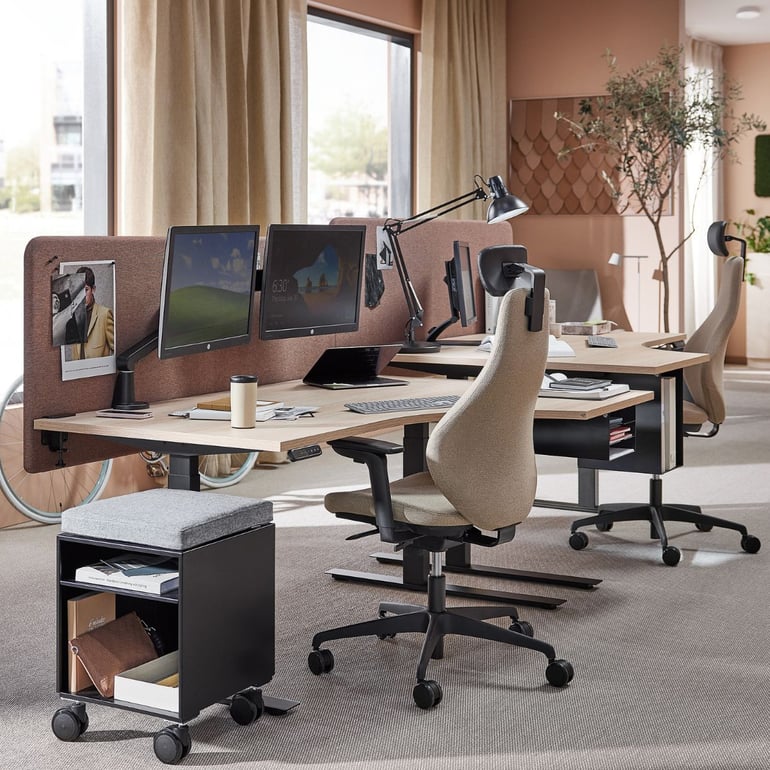
1) Focus zone (Quiet work)
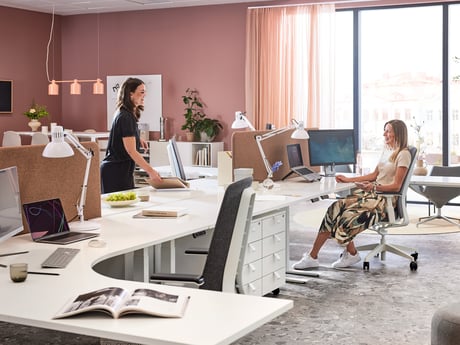
This is a designated area for concentration-heavy tasks: writing, analysis, reading, coding, and any work that needs sustained attention. The Focus Zone should use sound-absorbing materials, soft flooring where possible, and physical separation such as modular acoustic screens.
The rules are simple and visible: no calls, low voice level, and minimal walk-through traffic. A workplace can reinforce this with practical tools, not policing. For example, desks should be height-adjustable to reduce physical strain, and lighting should be adjustable to reduce fatigue.
This zone protects mental wellbeing by reducing constant interruption, which is one of the fastest ways to increase stress and reduce job satisfaction.
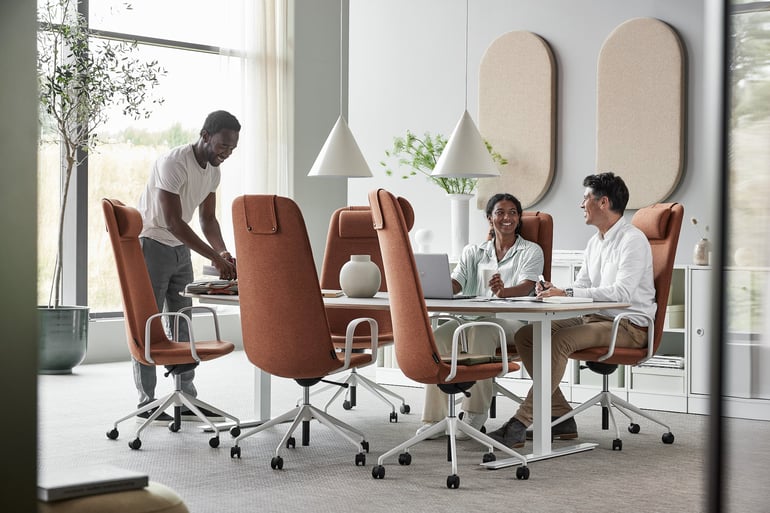
2) Collaboration zone (Talking and teamwork)
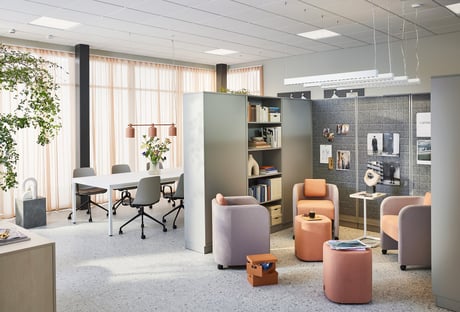
Collaboration is important, but it needs a place that is designed for it. This zone is for brainstorming, quick discussions, project work, and informal social connection.
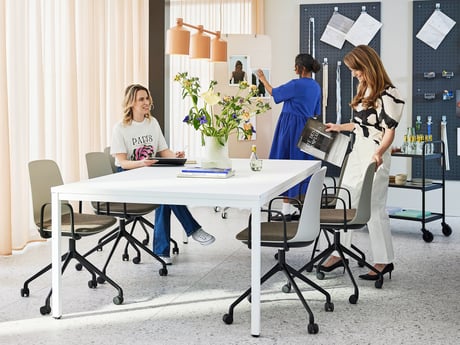
Instead of forcing collaboration into the same space where people need quiet, the Collaboration Zone makes teamwork intentional and less disruptive. It should include flexible meeting tables, whiteboards, and movable partitions so teams can adjust the space.
When people know they can talk freely in a specific zone, it reduces the social friction of “am I being annoying?” and reduces resentment between colleagues. That improves workplace relationships and lowers stress.
3) Voice zone (Calls and sensitive conversations)
Phone calls and video meetings are now constant. In open-plan environments, they are one of the biggest stressors for both the caller and everyone around them.
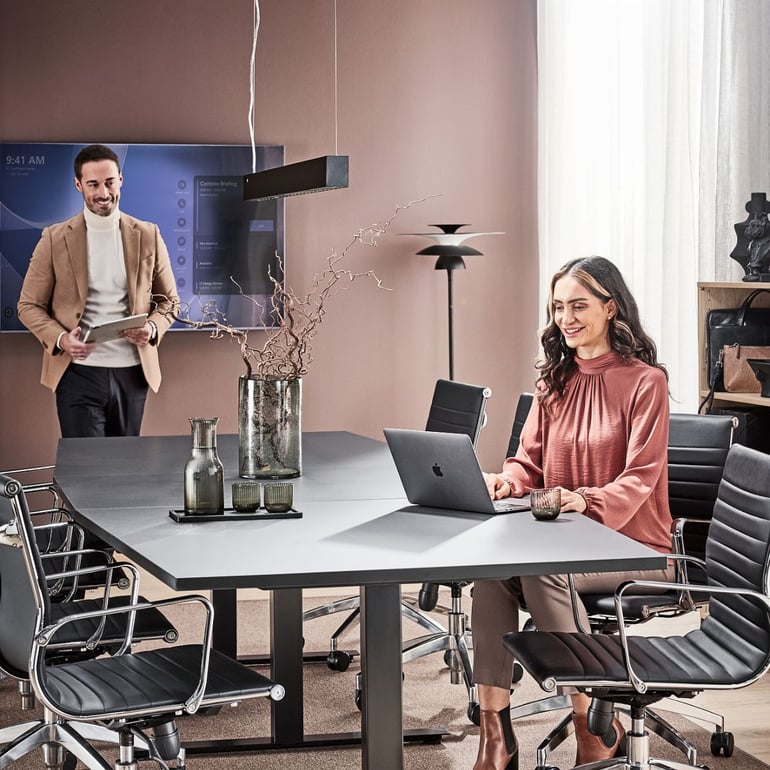
The Voice Zone solves this by providing call booths or small rooms that are comfortable, ventilated, and bookable for short blocks of time. These spaces should be designed for vocal comfort - good acoustics, no echo, and a setup that encourages a natural speaking volume.
This reduces vocal strain, reduces interruptions, and supports privacy. It also improves mental wellbeing by removing the pressure to perform conversations in public.
Supporting features that make the system work
To make these zones work smoothly, I would add two lightweight features that reduce friction and improve behaviour without making the office feel strict.
Live sound feedback: a simple visual indicator — for example, a small screen or light — that shows when noise levels in the Focus Zone are rising. This is not surveillance and it does not identify individuals. It is a gentle cue that helps teams self-correct. Many people do not realise how loud a space has become until it’s uncomfortable, so feedback prevents escalation.
Microbreak design: wellbeing improves when breaks are easy and socially acceptable. Instead of expecting people to “take a break” in the same chair where they’ve been sitting for hours, the office can include a short walking loop, standing “reset points,” and a couple of stretch-friendly corners. This encourages movement without making it feel like a personal failure to step away. It supports physical wellbeing and reduces tension, which improves mood and productivity.
This approach is strongly informed by my field of study because communication is not just what we say. It’s how our environment supports or blocks listening, speaking, turn-taking, and attention.
A workplace that constantly disrupts listening and concentration can quietly increase stress even when the job itself is fine. By designing for communication, the workplace becomes more inclusive: it supports people who need quiet to think, people who need spaces to talk, and people who need privacy for calls or sensitive conversations. It also reduces the daily irritation that builds into burnout.
Implementation can be phased and practical. A company can pilot one floor or even one corner: create a Focus Zone using modular acoustic screens, designate a Collaboration Zone with flexible furniture, and add two call booths. Track simple outcomes over a few months: employee-reported stress and satisfaction, the number of complaints about noise, and how often call booths are used.
If the pilot improves wellbeing, expand it. The point is not a perfect redesign — it’s a better default that respects how humans actually work.
The workplace of the future does not need to be futuristic. It needs to be humane. If companies want happier and healthier teams, they should start by building environments that reduce unnecessary friction and support attention, communication and recovery. A communication-first workplace does exactly that.
Why this entry stood out
Choosing a winner was no easy task. Some member of our judging panel commented:


Get the latest product launches and offers sent direct to your inbox
Do you want to receive exclusive offers, information about new products and inspiration on how you can improve your workplace? Sign up for our free newsletter and be the first to receive our best offers.*By clicking subscribe, I confirm that I have read the privacy policy.