- AJ Products UK
- Inspiration
- Tips & trends
- How to utilise storage space in your warehouse
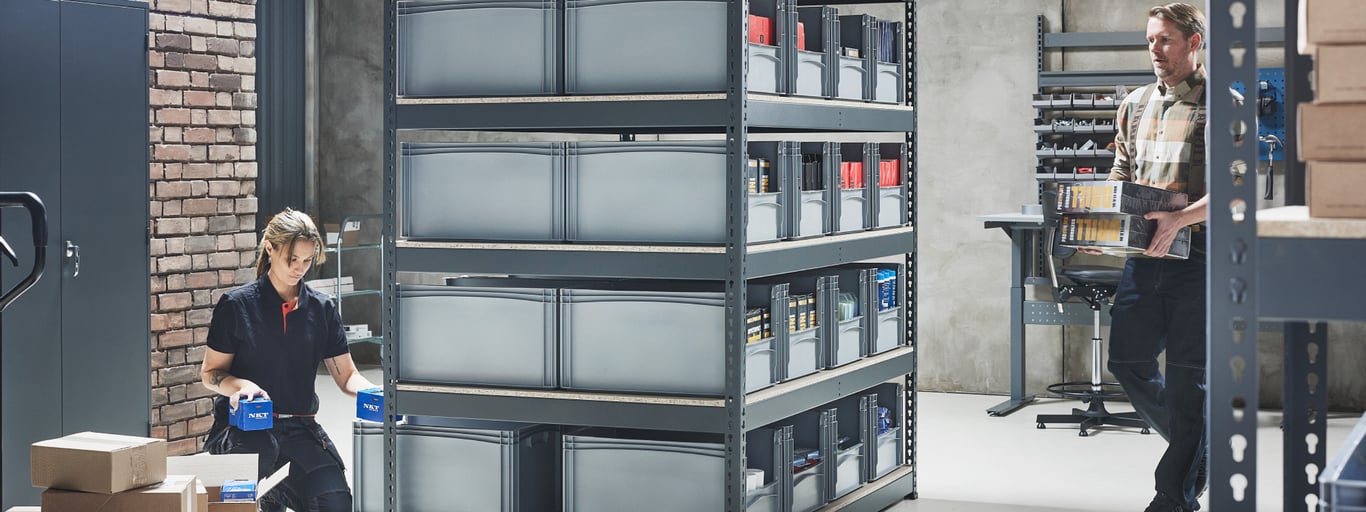
How to utilise storage space in your warehouse
What is warehouse storage, really?
It sounds obvious, but it’s worth pausing for a moment. Warehouse storage isn’t just about where things sit, it’s about how efficiently you can receive, store, pick and move goods without friction.
A well-planned storage system balances three things:
- Accessibility. Can you reach items quickly?
- Capacity. Are you using space properly?
- Flow. Does everything move logically?
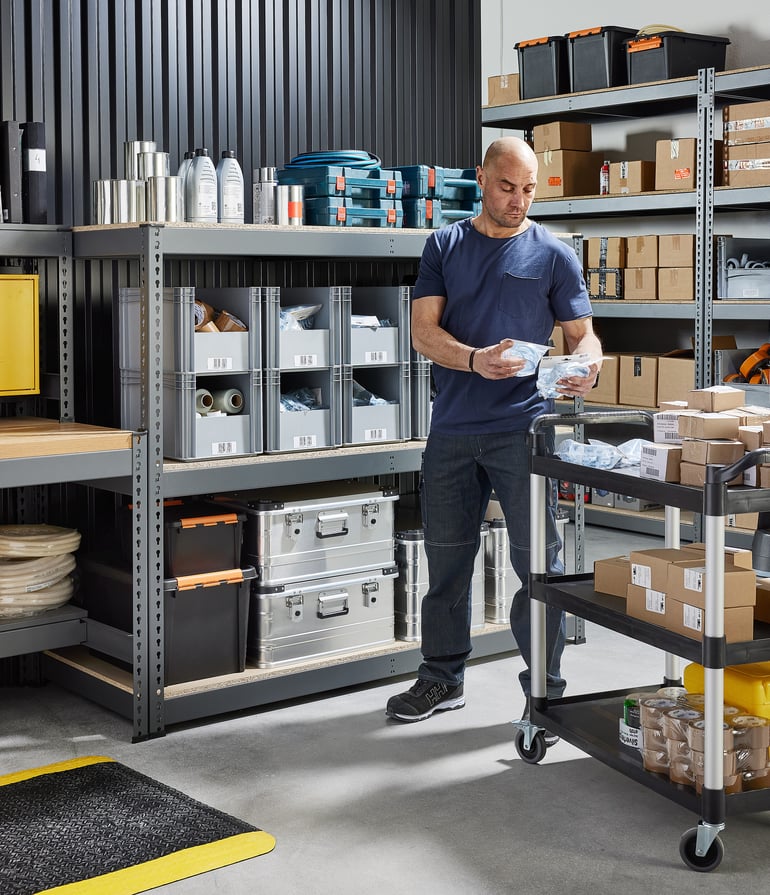
What is a storage system in a warehouse? (and why it matters more than you think)
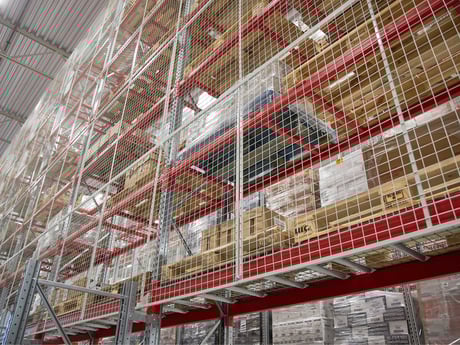
- Pallet racking for bulk storage
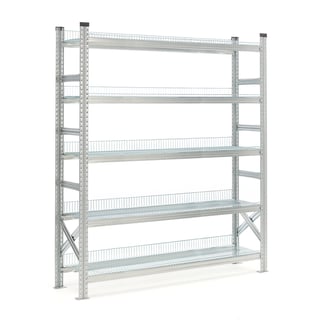
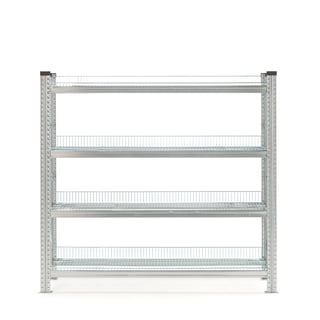
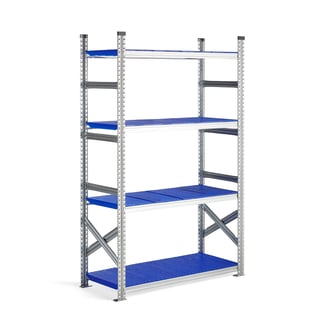
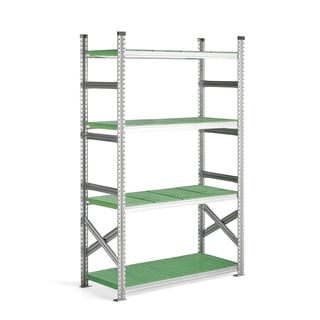
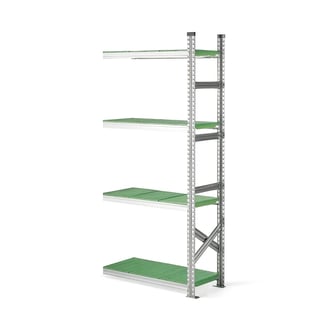
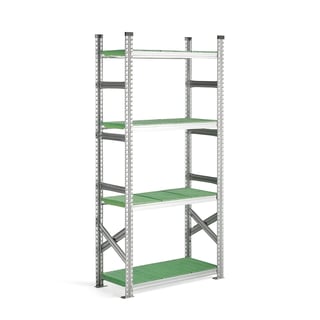
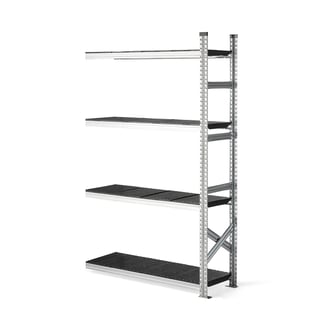
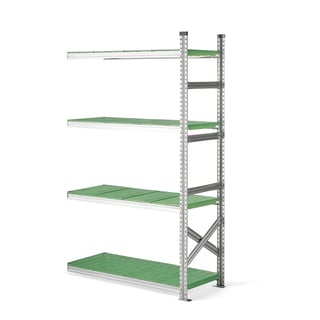
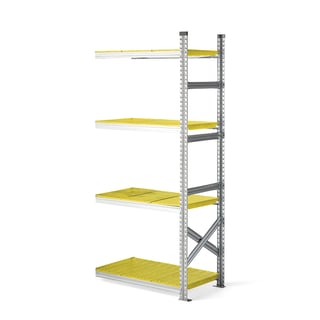
- Shelving units for smaller items
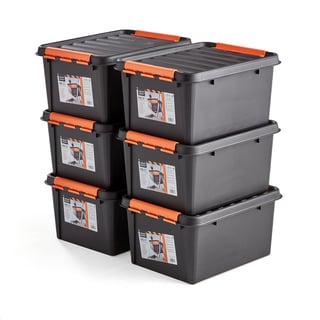
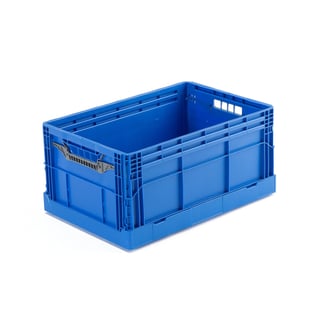
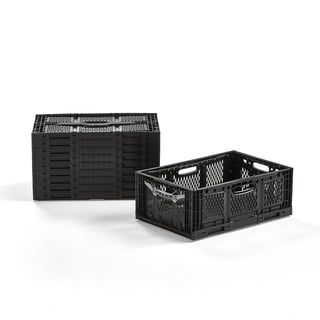
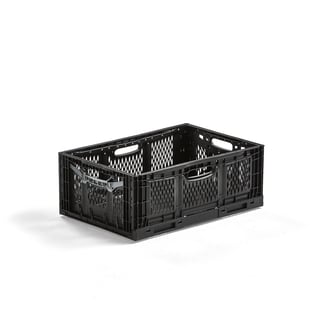
- Storage bins and containers for parts and components
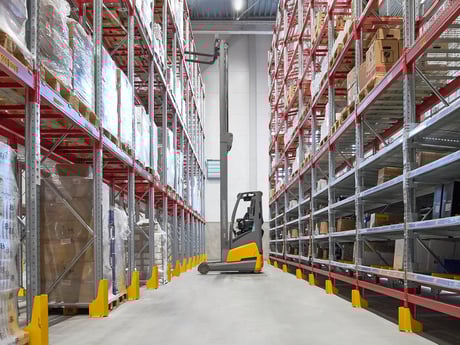
- Vertical storage solutions to maximise height
How to calculate storage capacity of a warehouse
Knowing how to calculate the storage capacity of your warehouse gives you a real baseline, and it's the first step towards identifying where you're losing space.
The basic formula goes like this:
Total Storage Capacity = Usable Floor Area × Clear Height × Space Utilisation Rate
- Usable floor area – is your total floor space minus everything that can't hold stock: aisles, fire exits, office areas, charging stations, and so on.
- Clear height – is the vertical distance between the floor and any overhead obstruction — beams, lighting rigs, sprinkler heads.
- Space utilisation rate – is the proportion of that total volume you can realistically fill (typically 22–27% for most warehouses, once you account for aisle access and pick requirements).
So for a 2,000m² warehouse with a 6m clear height and a utilisation rate of 25%, the calculation runs: 2,000 × 6 × 0.25 = 3,000m³ of effective storage. That's your working storage capacity.
But here’s the catch: if your shelves only go halfway up the wall, you’re leaving valuable space unused.
And storage efficiency? That’s where layout comes in:
- Wide aisles = easier movement, lower capacity
- Narrow aisles = higher capacity, requires planning
- Poor organisation = wasted space, regardless of size
So yes, you can calculate capacity, but improving it is where the real gains sit.
How to utilise storage space in your warehouse (without moving walls)
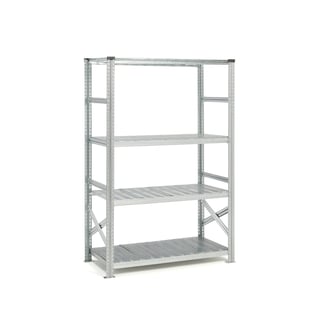
- Go vertical - floor space is expensive. Vertical space, by contrast, is often completely wasted. Adding adjustable warehouse shelving or taller racking systems can dramatically increase capacity without changing your footprint. It’s one of the quickest wins.
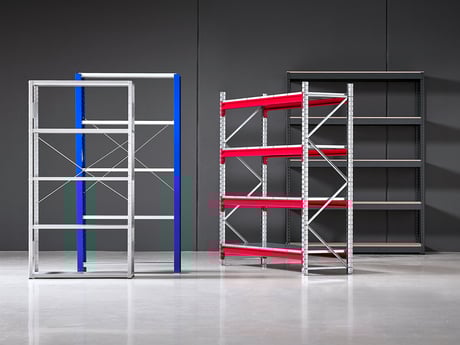
- Choose the right storage for your stock - for most general warehousing operations, heavy-duty shelving offers a good blend of load capacity, adjustability, and value. Different environments need different solutions. If you’re unsure what fits your setup, our guide to shelving and racking breaks down the options without overcomplicating things.
However, not everything belongs on a shelf. People often focus so heavily on the big structural decisions (racking type, aisle width, layout) that they forget about the containers holding the stock itself. It's a mistake. The right storage boxes and bins make a warehouse easier to work in, reduce handling damage, and improve counting accuracy.
Plastic storage boxes and containers allow you to store more in the same vertical height, keep loose items contained, and make visual stock checks much faster. Labelled, colour-coded bins work brilliantly for categorising stock and are particularly useful in picking operations where errors are costly.
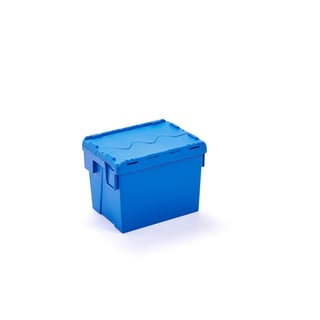
For heavier items, consider robust Euro containers with standardised footprints that integrate neatly with conveyor systems or pallet movements. For small parts or components, a proper cabinet with shallow drawers can hold an extraordinary amount in a compact space.
A mismatch between product and storage is one of the most common causes of wasted space.
- Create clear zones (and stick to them) - zoning sounds simple, but it’s often overlooked.
Create separate areas for:
-
- Goods in
- Bulk storage
- Picking
- Returns
This improves flow and reduces the “temporary pile” problem where items sit somewhere “just for now” and never move again.
Different warehouses, different storage challenges
Here’s how storage needs tend to vary across different types of warehouses:
Retail and e-commerce warehouses: speed and flexibility come first
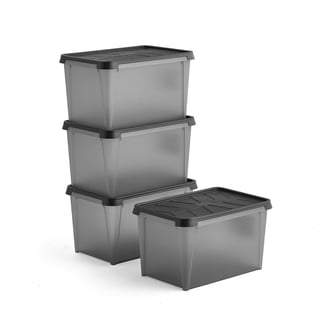
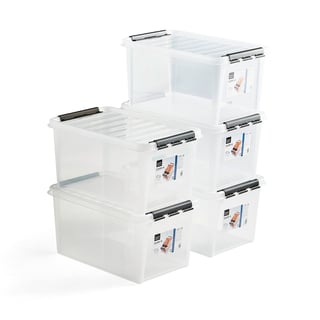

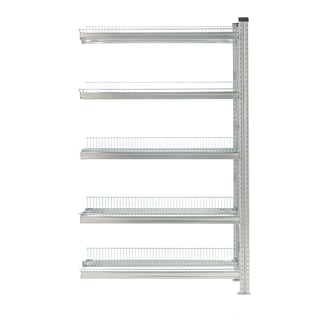
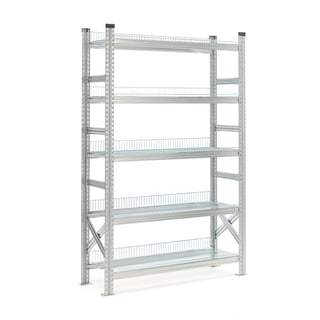
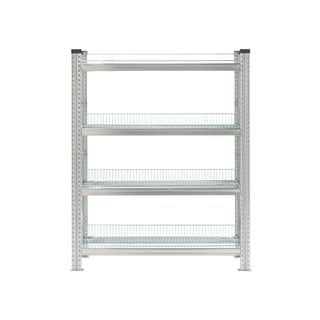
Industrial warehouses: built around heavier loads
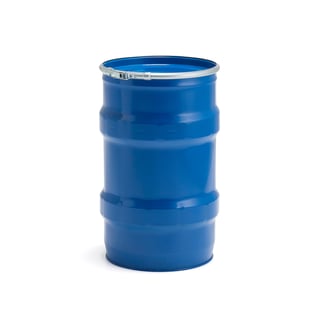
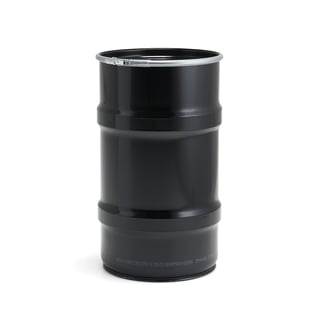
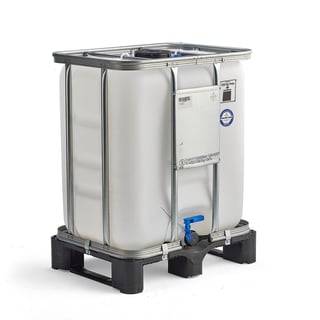
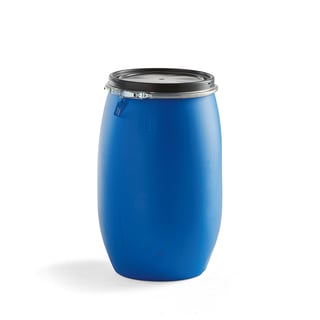
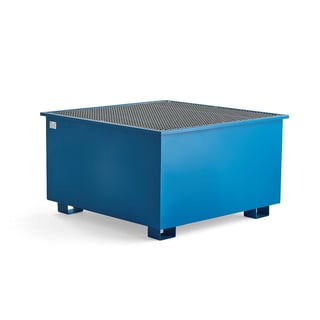
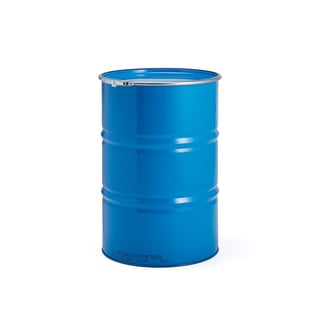
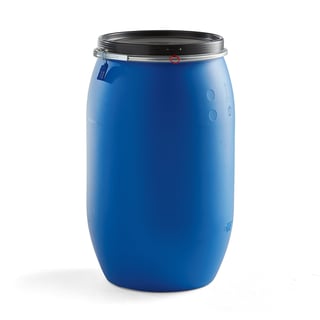
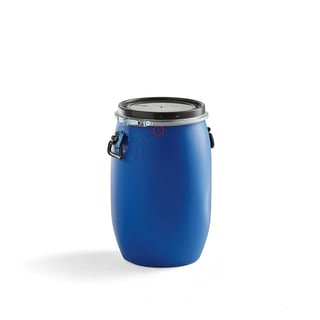
Hazardous or corrosive storage: safety shapes everything

Cold storage and food environments: when conditions matter
How to manage warehouse storage (without overcomplicating it)
- Regular stock checks to avoid overfilling
- Clear labelling (sounds basic, but often missed)
- Consistent placement rules for items
- Reviewing layouts during quieter periods
What is warehouse storage capacity - and how do you improve it?
But improving it isn’t about squeezing more in, it’s about making space work harder.
That could mean reconfiguring shelving heights, introducing better storage containers, reducing wasted aisle space
or even removing outdated stock systems.
Sometimes, less clutter creates more capacity. It sounds contradictory, but it works.
The quiet impact of better storage
- Make better use of vertical space, adjust shelf heights, and keep items organised with storage boxes and clear labelling. Storing fast-moving goods within easy reach also helps improve efficiency and free up space.
- Warehouse storage capacity is usually calculated by measuring how much usable space you have and how efficiently it’s used.A simple way to think about it:
- Measure your total storage area (in square metres)
- Factor in the height of your shelving or racking
- Subtract space needed for aisles, access and safety
- Warehouse storage capacity is the total amount of goods you can store safely and efficiently. It depends on your layout, shelving systems and how well your space is organised.
- Common signs include cluttered aisles, unused vertical space, slow picking times and stock being hard to locate. If your team is spending too long searching for items, your storage setup likely needs improving.
- Typical mistakes include fixed shelf heights, poor labelling, storing slow-moving items in prime locations and using unsuitable storage systems. These issues often lead to wasted space and reduced efficiency over time.
Get the latest product launches and offers sent direct to your inbox
Do you want to receive exclusive offers, information about new products and inspiration on how you can improve your workplace? Sign up for our free newsletter and be the first to receive our best offers.*By clicking subscribe, I confirm that I have read the privacy policy.