- AJ Products UK
- Inspiration
- Tips & trends
- How should you store chemicals and hazardous waste?
Hazardous chemicals and waste: proper handling and disposal
Managing hazardous chemicals and waste is crucial for workplace safety and environmental protection. As a business owner, you are responsible for ensuring that such substances are handled, stored, and disposed of correctly to minimise risks to health and the environment. Implementing proper procedures can enhance your work environment and safeguard public health.
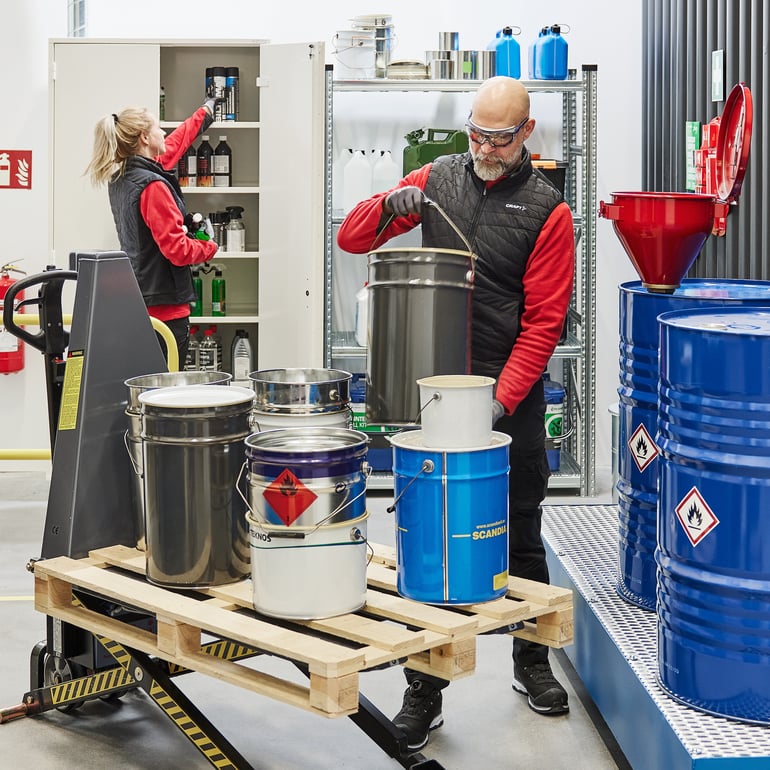
What is hazardous waste?
Hazardous waste includes materials that pose significant risks to human health or the environment. These substances may be corrosive, carcinogenic, toxic, flammable, or explosive. Common examples include waste oils, paint residues, batteries, fluorescent tubes, various chemicals, and electronic waste containing hazardous components.
To manage hazardous waste effectively:
- Use clearly labelled waste and recycling containers to segregate different types of waste within your business.
- Proper segregation reduces errors, benefits the environment, and maintains workplace order.
Understanding hazardous chemicals
A chemical is defined as a homogeneous substance or compound used in industrial or commercial processes, encompassing a wide range of materials encountered in daily life.
It's essential to identify chemicals that may be hazardous to humans, animals, or the environment. All hazardous chemicals must be classified, labelled, and packaged in accordance with the EU CLP Regulation (No. 1272/2008). This regulation ensures safe handling and use of hazardous substances, with appropriate risk labelling to prevent harm and exposure.
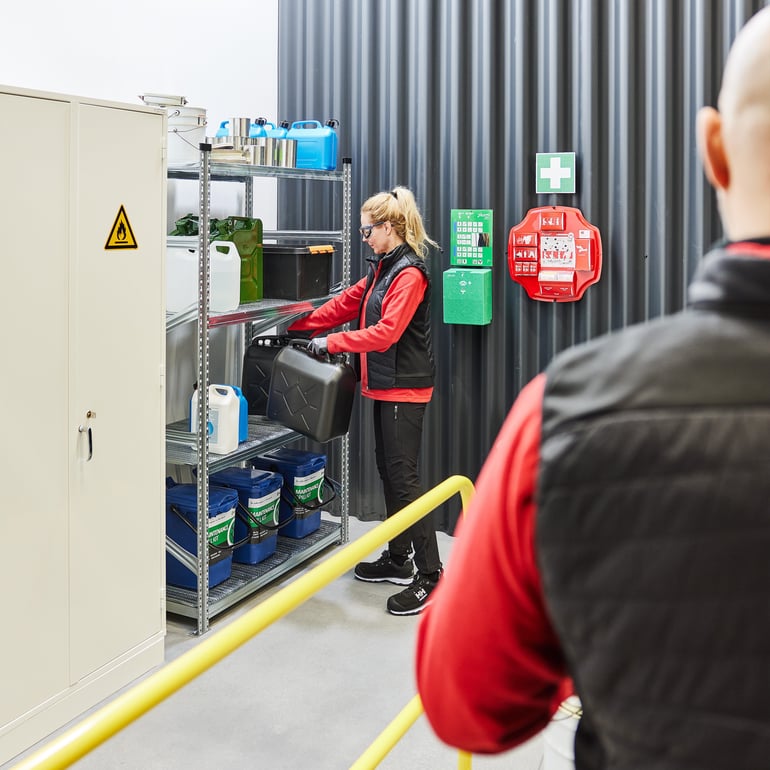
Examples of hazardous chemicals:
- Ammonia
- Arsenic
- Benzene
- Lead
- Formaldehyde
- Dioxins
- Chlorine
- Cadmium
- Sodium hydroxide
- Polychlorinated biphenyls (PCBs)
- Hydrogen sulphide
- Vinyl chloride
Storing hazardous chemicals
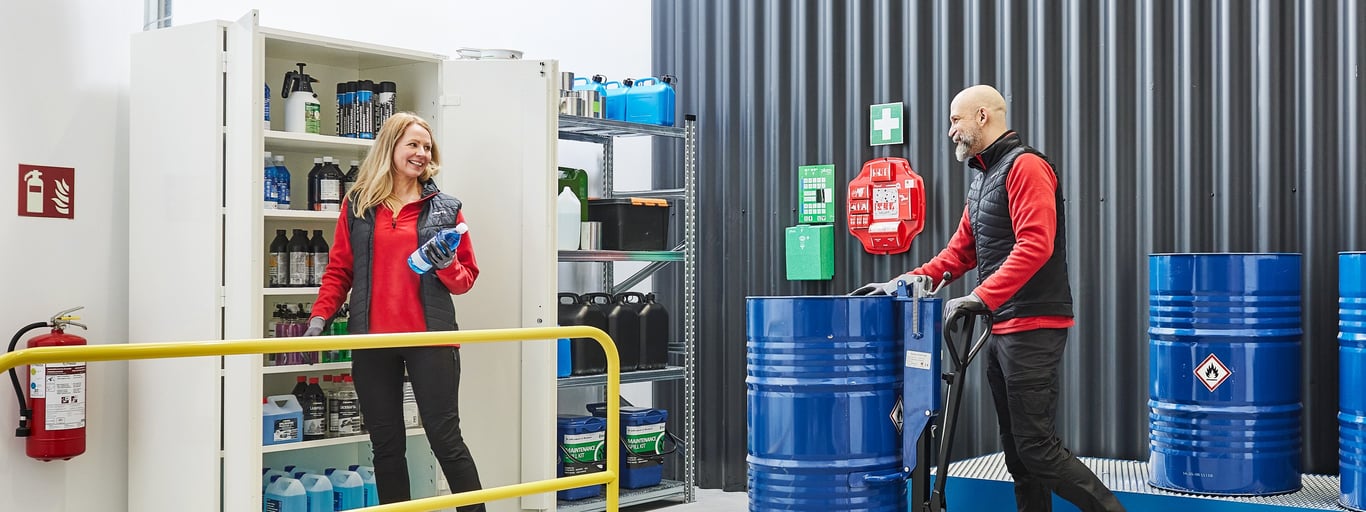
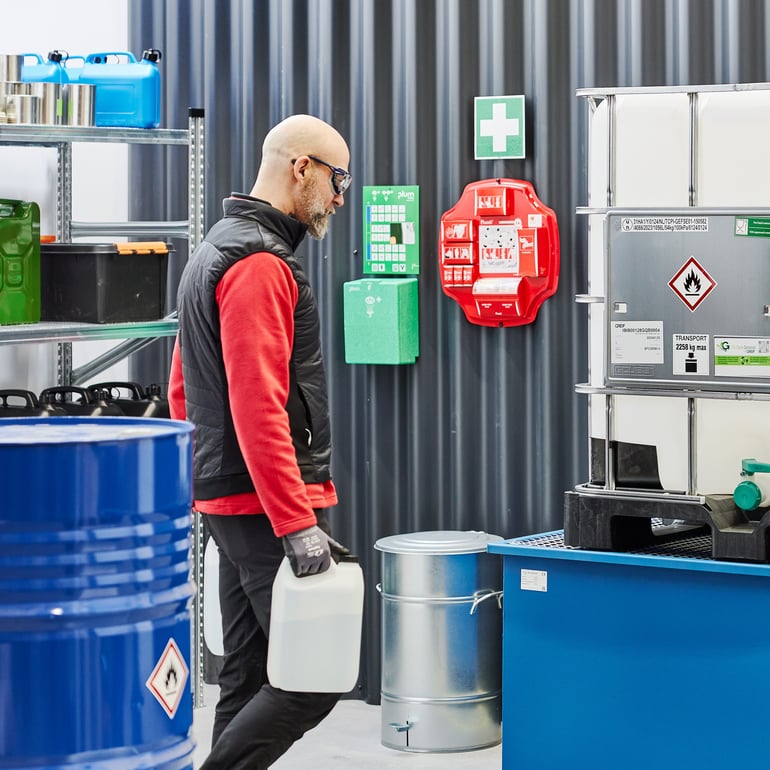
Proper storage of chemicals is vital to prevent leaks and spills, thereby protecting people and the environment from exposure to hazardous substances or chemical reactions.
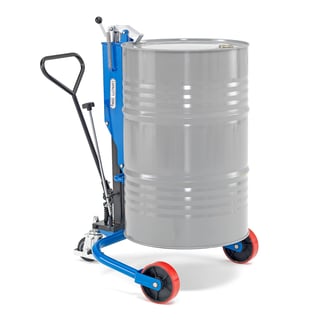

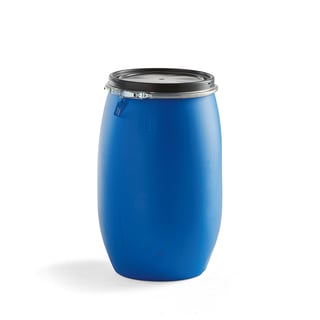
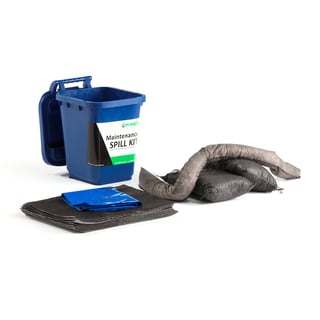
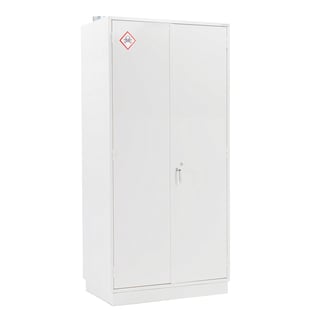
Key considerations for chemical storage:
- Store chemicals in ventilated chemical or environmental cabinets.
- Keep incompatible chemicals separate to prevent dangerous reactions.
- Use collection bins, spill tanks, spill guards or spill plates to collect spills to prevent spills from reaching work areas or water sources.
- Do not store acids and bases together, nor strong acids with organic substances.
- Ensure that only authorised personnel have access to chemicals, for example, by locking cabinets.
- Make sure that safety equipment and safety data sheets are readily available and that employees are properly trained.
- Store chemicals clearly labelled and in designated areas to protect employees.
Handling hazardous chemicals
Handling chemicals poses significant health risks if employees do not use appropriate protective equipment or follow regulations. As a business owner, you are responsible for ensuring that hazardous areas and substances are marked and that staff are adequately trained.
If the accident is imminent
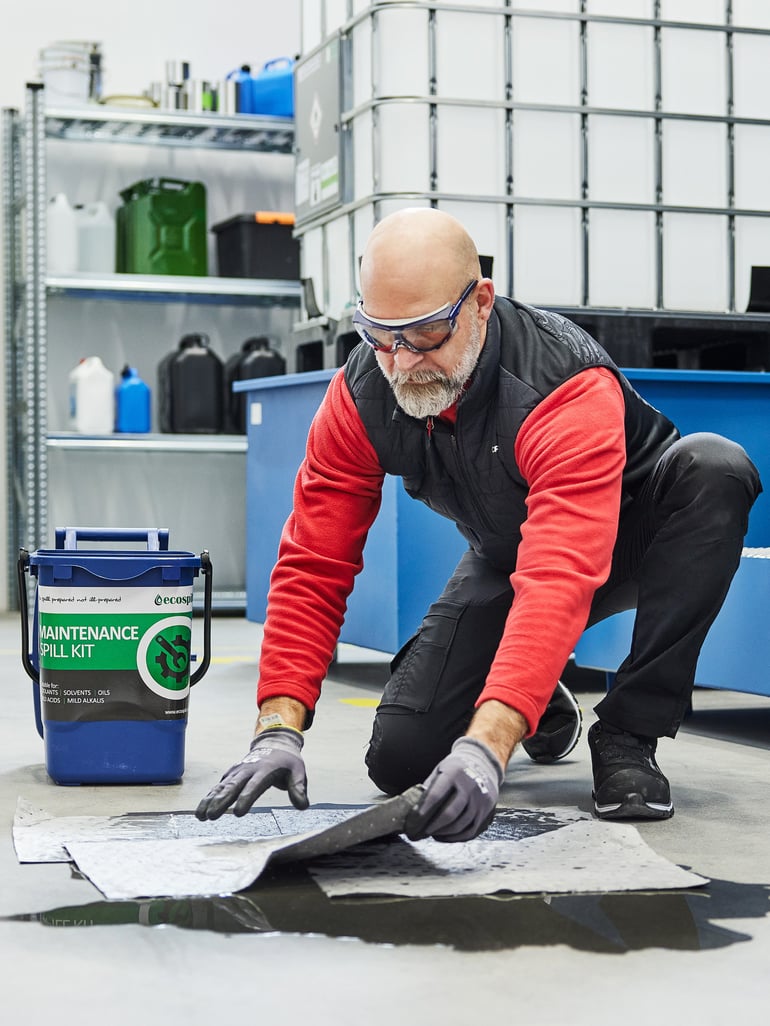
Managing hazardous waste
Hazardous waste must not be disposed of with general waste, mixed with other wastes, or poured down drains. Businesses have specific regulations for the segregation, documentation, and transportation of hazardous waste to ensure proper handling and minimise environmental harm.
Companies must comply with regulations for reporting and tracking hazardous waste, which helps ensure that waste is handled properly and safely. Waste management and tracking support environmental protection and help prevent the spread of hazardous substances into the environment.
The Environment Agency
In the UK, the Environment Agency (or its counterparts in Wales, Scotland and Northern Ireland) manages the reporting and tracking of hazardous waste. This is crucial for ensuring that dangerous waste materials are handled correctly and don't harm the environment or public health. The system works through consignment notes, which are like a paper trail that follows hazardous waste from the moment it's produced to its final destination. Businesses have a legal "duty of care" to correctly classify their waste, use licensed waste carriers, and keep a record of all movements. This ensures that the flow of hazardous waste is well-documented, helping to achieve the goal of a non-toxic environment and encouraging better waste management practices across the country.
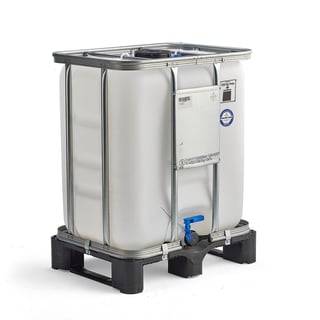
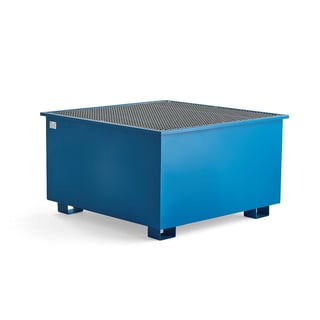
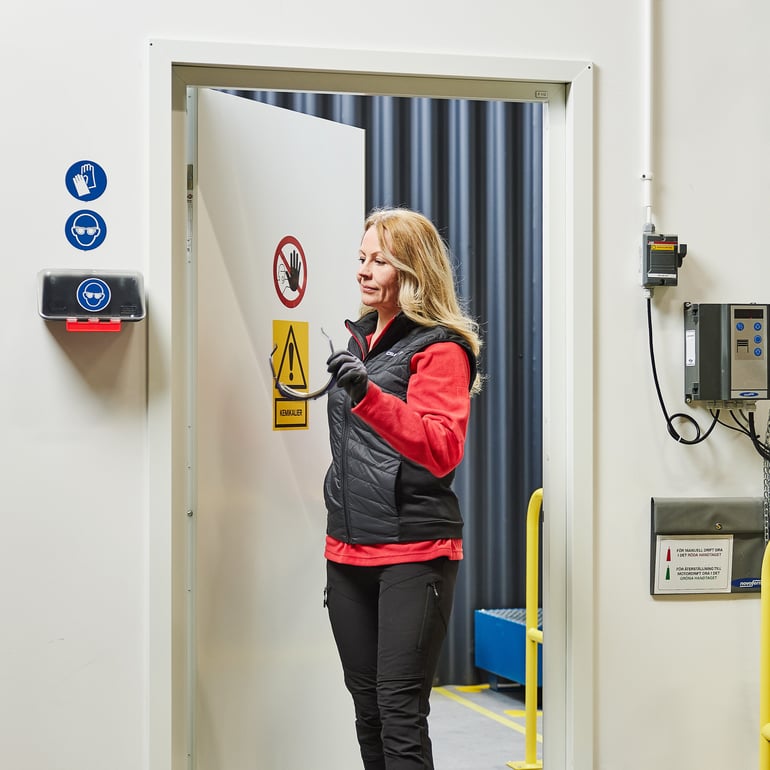
Examples of hazardous waste:
- Acetone
- Degreasers
- Batteries
- Pesticides
- Electronic waste
- Treated wood
- Solvent-based paints
- Mercury
- Turpentine
Consult us for recycling solutions
If you have questions about recycling cabinets or waste containers, please contact us. We are happy to assist you!
FAQ
- Hazardous waste is waste that can harm human health or the environment. Examples include used oil, batteries, chemicals, and electronic waste.
- Hazardous waste should be stored in ventilated chemical cabinets, separated to prevent dangerous reactions, and secured from unauthorised access.
- No, hazardous waste should never be thrown in the bin, mixed with other waste, or poured down the drain. It must be taken to a recycling centre or handled according to specific regulations for businesses.
- Proper storage prevents spills and leaks, which can cause harm or dangerous chemical reactions. It ensures safety for both humans and the environment.
- From 1 November 2020, businesses in Sweden must report hazardous waste disposal to the Swedish Environmental Protection Agency’s waste register.
- Implementing proper storage and handling practices, along with regular audits of chemical use and waste management, can help reduce hazardous waste production.
- Individuals hand in used batteries to the municipality's recycling center or environmental station.
- In Ireland, every household is legally obliged to sort their waste. By sorting waste at source, dangerous substances and materials can be taken care of and recyclable materials can be utilised.