- AJ Products UK
- Inspiration
- Tips & trends
- How to Design a Conference Room for Successful Meetings
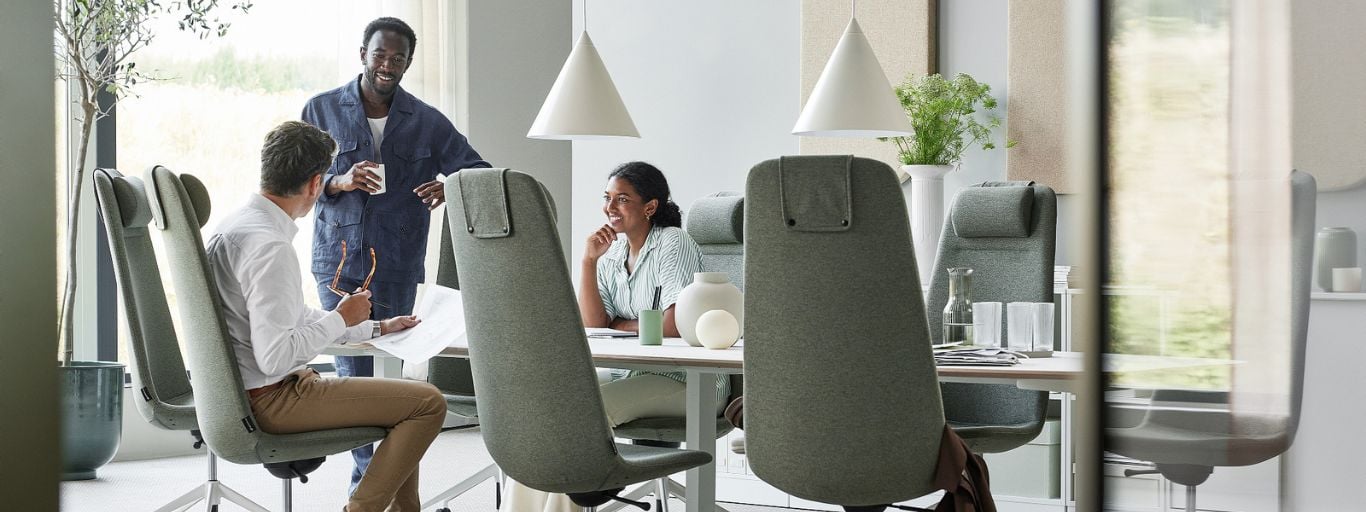
How to design a conference room for successful and productive meetings
Understanding the purpose of the conference room
Before diving into layouts and furniture, start with a simple question: what do we want this room to do?
Every workplace uses its conference space differently. Some host quick catch-ups and collaborative sessions, others hold client presentations, workshops, or video conferencing, often all in the same room on different days. Each of those activities asks something different of the furniture and the technology around it. Worth thinking through before you buy anything:
- How many people will typically attend?
- Are meetings seated, standing, or a mix of both?
- Will attendees use laptops or video-conferencing equipment?
- Is flexibility important, or will it mostly stay in one layout?
Assessing the space
Once the purpose is clear, look at the room itself: dimensions, shape, and what layouts fit. Leave enough room for people to move comfortably. As a rule of thumb, allow at least three feet between the table and the surrounding walls or furniture.
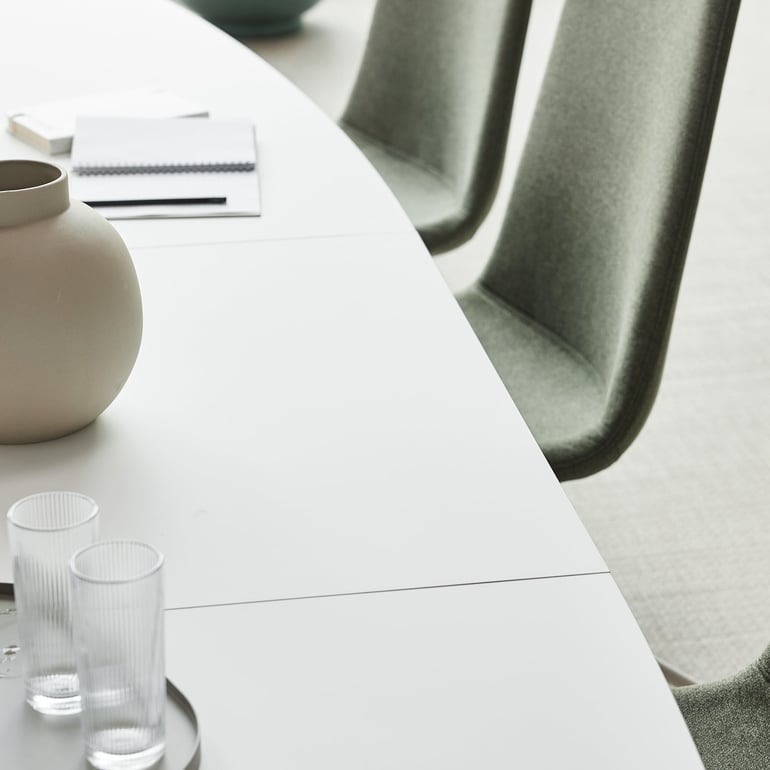
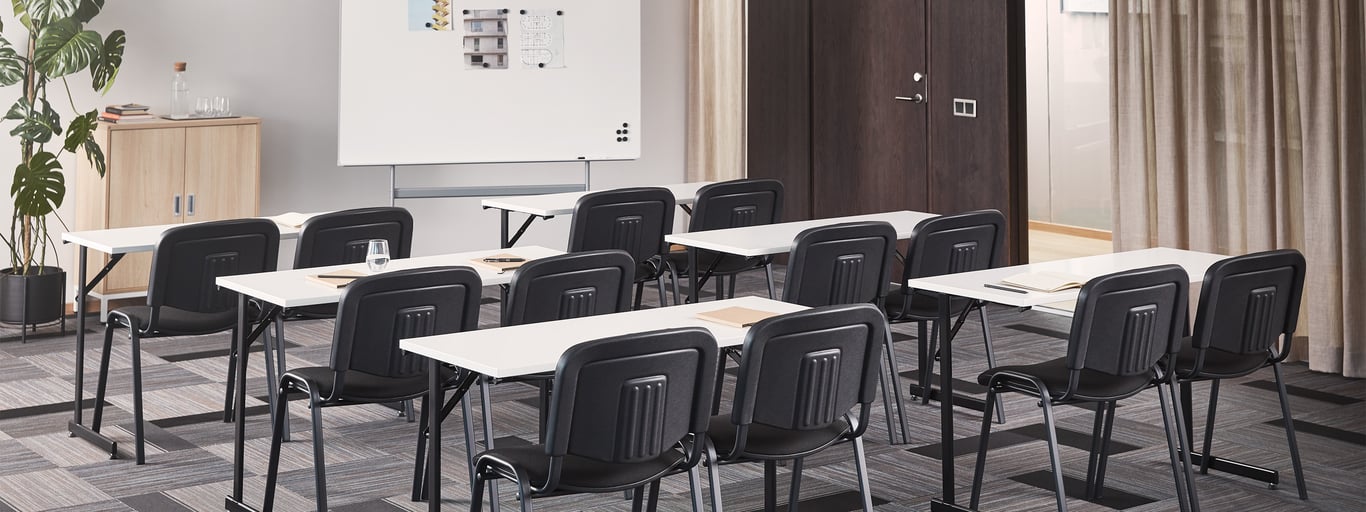
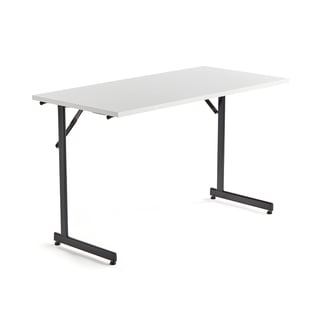
If space is compact or you occasionally need additional working surfaces, opt for modular or folding conference tables or stackable chairs that can be pushed together and stored away when not in use, freeing up floor space for other activities. This makes it easy to switch between boardroom, classroom, and breakout formats without cluttering the space.
For extra flexibility, sit-stand conference tables allow a switch between seated and standing meetings, useful in longer sessions where sitting throughout isn't ideal for anyone.
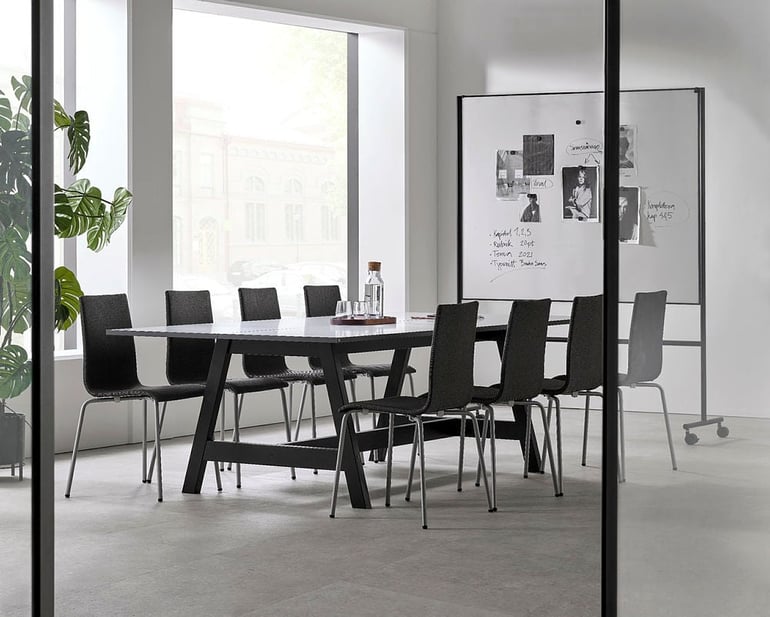
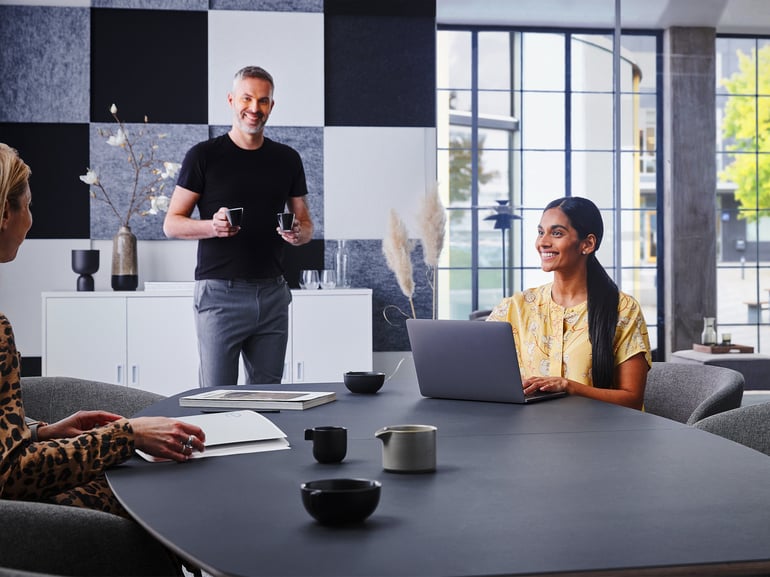
In smaller boardrooms, round or oval tables tend to work better than large rectangular ones. They save space and take some of the formality out of the room. Modular furniture solves a similar problem from a different angle: smaller tables you push together to form one larger surface when needed, then split apart again when not.
Making first impressions count
For a lot of clients and partners, the conference room is the first place they sit down in your building. High-quality furniture such as ergonomic conference chairs and tables with integrated power outlets immediately set a professional tone and support effective presentations and collaboration. Well-designed spaces signal a company's commitment to productivity and employee well-being.
Choosing the right furniture
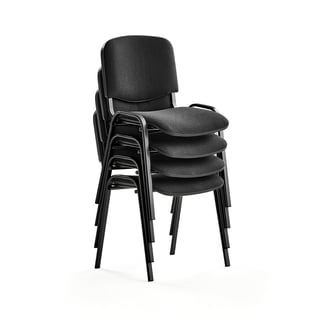
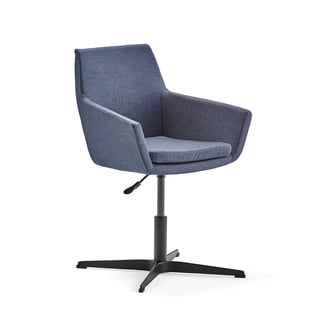
Furniture choice comes down to comfort first, flexibility second. For long meetings, upholstered conference chairs are worth the extra cost; cheap seating shows up fast in how restless a room gets by the second hour. A lot of businesses also keep a smaller set of stackable chairs in reserve, for when a meeting runs bigger than planned.
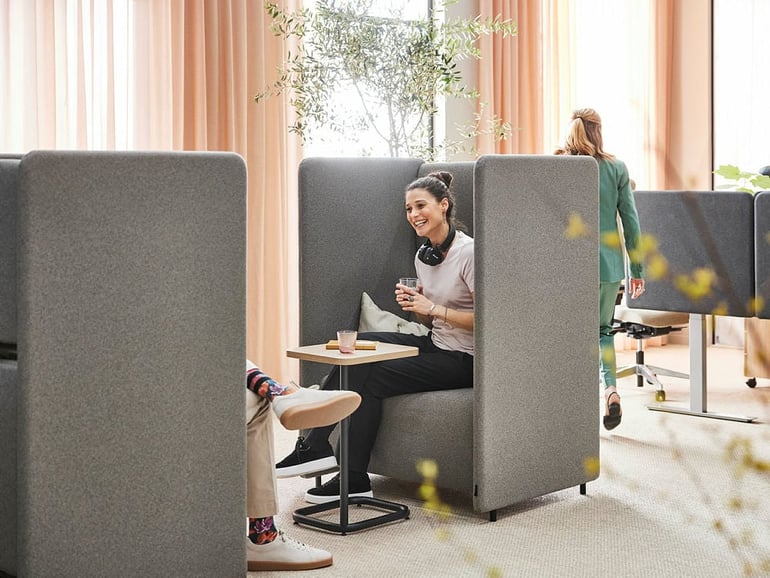
Don't forget about acoustic lounge seating in adjacent break areas for downtime and individual focus periods.
Don't forget the four F's of conference room design
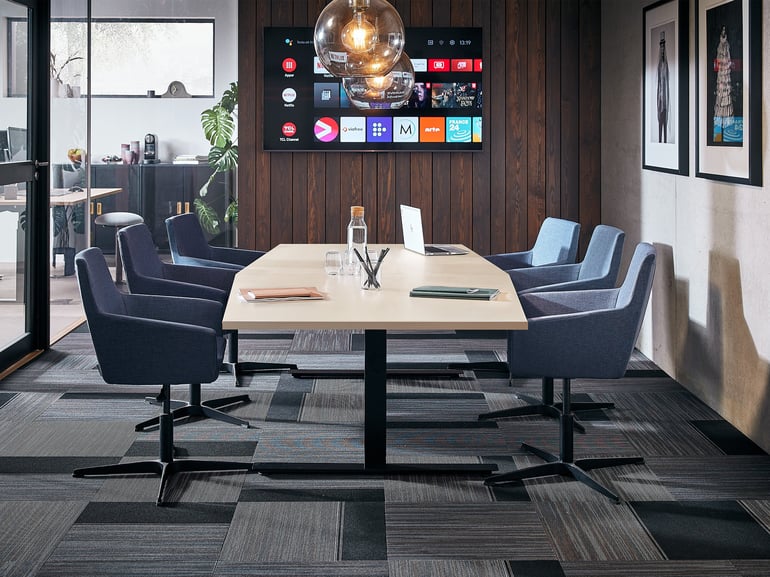
- Formation - the shape of your table affects the tone of the meeting. Circular or oval tables encourage inclusivity and collaboration, while rectangular tables can help create a more structured environment. Choose a layout that reflects your company culture and the purpose of your meetings.
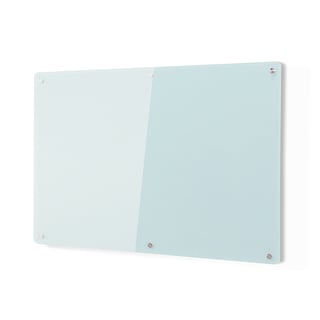
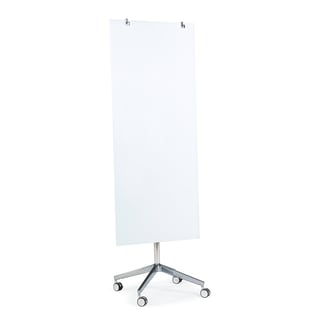
- Functionality - a well-equipped meeting room goes beyond tables and chairs. Whiteboards, projectors, video conferencing tools, and integrated power outlets all play a role in making your meetings more productive.
- Fit - space planning is just as important as the furniture itself. Ideally, allow at least three feet between the table and walls to make movement easy and avoid congestion. Also, consider the additional space you'll need for presentation screens, storage units, or even plants.
- Fashion - the look and feel of the space influence creativity and decision-making. Adding artwork, acoustic panels, or greenery can transform a standard conference room into a more inviting and inspiring place to collaborate.
Optimising acoustics
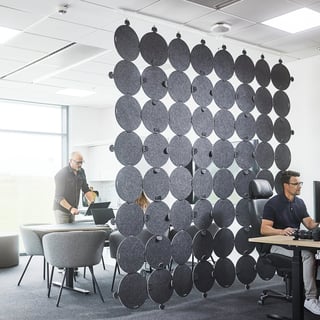
For rooms with persistent sound challenges, consider installing dedicated acoustic panels or ceiling baffles for more effective noise control.
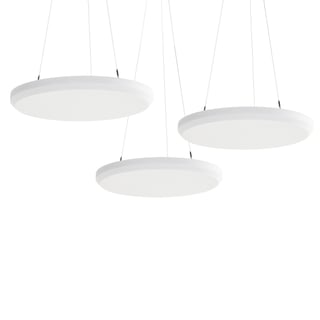
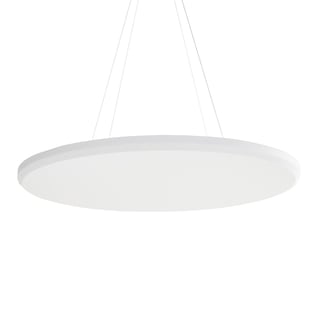
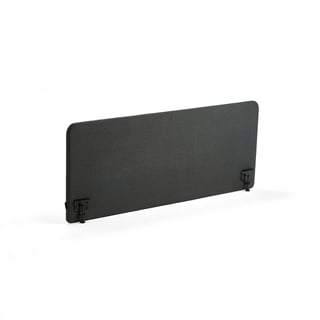
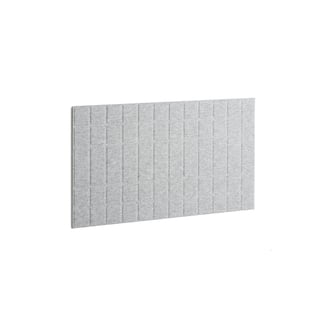
Lighting solutions
Integrating technology seamlessly



How should you think about colours?
Choose a colour palette that promotes focus and productivity. Calm, neutral tones often work best for concentration and focus. However, adding a splash of colour through artwork, furniture, or accessories can give the room personality. Balance materials and colours to create a cohesive look that reflects your company's brand and culture.
Read more about decorating with colour
Tips for a successful conference
- Plan the conference well in advance.
- Check that all technology is working properly before people arrive.
- Share a clear agenda so participants can prepare.
- Add a few short breaks to keep people refreshed.
- Stick to the schedule.
- Build in at least one interactive item; it lifts the participants' engagement noticeably.
- Don't underestimate comfortable conference chairs, particularly for longer sessions.
FAQ
- Selecting ergonomic and flexible furniture is key. Ensure chairs are comfortable and tables are adjustable to meet various needs.
- Use textiles like carpets and curtains, and consider installing acoustic panels to reduce noise and improve sound quality.
- Essential technology includes projectors, screens, audio systems, and robust internet connectivity. Integrated cable management solutions help maintain a tidy space.
- Use company colours and logos subtly in the decor. This reinforces brand identity while maintaining a professional appearance.
- Invest in ergonomic chairs and ensure the room has good temperature control. Comfortable seating and a pleasant environment help keep participants focused.
- A good way to end the conference is to spend a moment checking whether the purpose and goals have been achieved. It gives the participants the opportunity to reflect on the topics discussed.
Popular products
Get the latest product launches and offers sent direct to your inbox
Do you want to receive exclusive offers, information about new products and inspiration on how you can improve your workplace? Sign up for our free newsletter and be the first to receive our best offers.*By clicking subscribe, I confirm that I have read the privacy policy.