- AJ Products UK
- Inspiration
- Leadership
- Agile Leadership and Working Methods

Master agile leadership: Proven methods to enhance team efficiency
As a family-owned business operating in 21 markets, our continuous focus on leadership development aligns with our 50 years of experience assisting entrepreneurs and business leaders.
Let us guide you through the nuances of agile leadership and its working methods.
Origins of Agile Leadership
The Agile Manifesto
Agile leadership traces its roots to the "Manifesto for Agile Software Development," created by software developers in the early 2000s. This manifesto responded to the traditional waterfall model's limitations, which demanded extensive documentation and rigid procedures. Agile, in contrast, promotes flexibility, informal cooperation, and rapid decision-making to adapt to constant market changes.
Transition from Traditional to Agile Models
The shift from traditional project management to agile methods reflects the need for faster, more efficient responses to changing market conditions. Traditional models often involve lengthy planning and rigid structures, while agile emphasises adaptability and responsiveness.

Principles of Agile Leadership Flexibility and Adaptability
Agile leadership centres on flexibility and the ability to adapt quickly to new information or changes in the market. Leaders encourage an environment where changes are not only accepted but anticipated and leveraged for improvement.
Rapid Decision-Making
In an agile framework, decisions are made quickly to keep up with the pace of work and market demands. This rapid decision-making process ensures that projects progress without unnecessary delays.
Engagement without Micromanagement
Agile leaders are actively engaged with their teams but avoid micromanagement. They provide guidance and support, fostering an environment of mutual trust and collaboration.
Implementing Agile Working Methods
Encouraging Feedback
An essential component of agile working methods is the continuous encouragement of feedback from all team members. This feedback loop helps identify areas for improvement and fosters a culture of openness and continuous learning.
Learning from Failures
Agile leadership views failures as learning opportunities. By analysing what went wrong, teams can make adjustments and improve future performance, turning setbacks into stepping stones for success.
Building Trust and Unity
Using inclusive language like "us" and "we" helps create a sense of unity and team spirit. Trust is built through transparency and open communication, ensuring everyone feels valued and heard.

Key Agile Methods and Models
Scrum FundamentalsScrum is a widely used agile method that focuses on iterative progress through sprints. It involves roles such as the product owner, scrum master, and development team, each contributing to the project’s success.
Kanban Approach
Kanban uses visual boards to manage workflows, helping teams see their tasks and progress clearly. This method emphasises continuous delivery and helps identify bottlenecks.
Lean Thinking
Lean methodology aims to maximise value by minimising waste. It involves streamlining processes, focusing on value-added activities, and continually improving operations.
Scaled Agile Framework (SAFe)
SAFe scales agile principles across large organisations. It integrates agile practices at the portfolio, programme, and team levels, ensuring alignment and efficiency throughout the company.
In-Depth Look at Scrum
Main Components of ScrumScrum involves sprints, which are short, time-boxed periods for completing a set amount of work. Daily stand-up meetings, sprint planning, and retrospectives are essential components of the Scrum process.
Key Roles in Scrum
Product Owner: Defines the project vision and prioritises the product backlog.
Scrum Master: Facilitates the Scrum process and helps remove obstacles.
Development Team: Executes the tasks and develops the product.
The Sprint Cycle
Each sprint begins with planning, followed by daily stand-ups to discuss progress. At the end of the sprint, a review and retrospective are conducted to reflect on the work done and identify areas for improvement.
Kanban Methodology
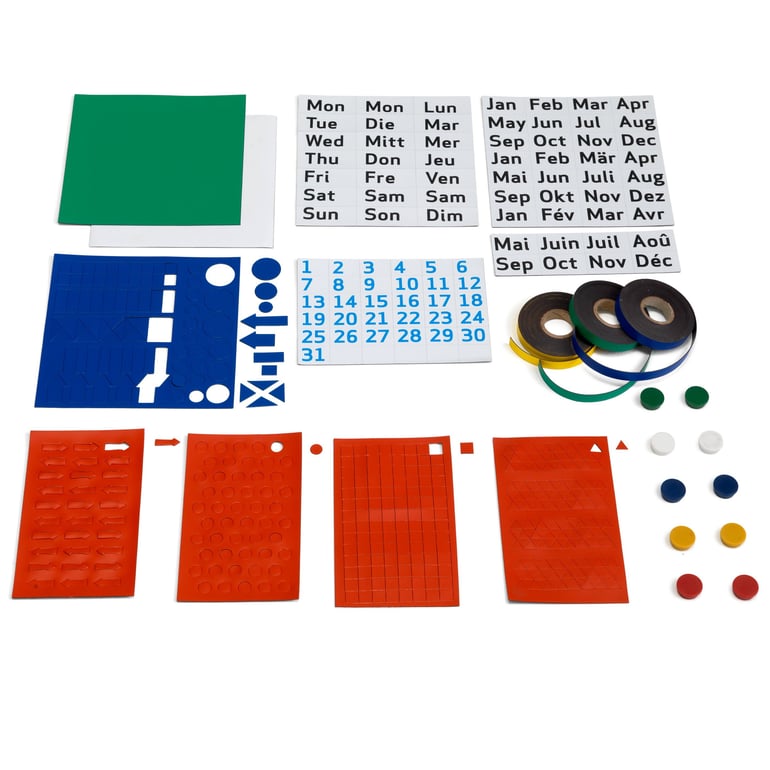
Visualising WorkflowsKanban boards visually represent different stages of the workflow, such as "To Do," "In Progress," and "Done." This helps teams manage their tasks efficiently.
Identifying and Resolving Bottlenecks
Kanban helps teams quickly identify bottlenecks in the workflow, allowing them to address issues promptly and maintain smooth operations.
Continuous Improvement with Kanban
Regular reviews and adjustments to the Kanban board ensure continuous improvement. Teams can tweak their processes based on real-time feedback and performance data.
Lean Methodology
Streamlining ProcessesLean methodology focuses on streamlining processes to eliminate inefficiencies and enhance productivity. It encourages a culture of continuous improvement.
Minimising Waste
Lean aims to reduce waste in all forms, whether it’s time, resources, or effort. By focusing on what adds value to the customer, teams can optimise their workflows.
Standardising Procedures
Standardised procedures ensure consistency and quality. This makes it easier to identify and correct deviations, improving overall efficiency.
Scaled Agile Framework (SAFe)
Scaling Agile Across OrganisationsSAFe allows large organisations to scale agile principles, ensuring that agile practices are implemented at every level. This fosters alignment and collaboration across the entire company.
SAFe Levels: Portfolio, Programme and Team
Portfolio Level: Aligns strategy and execution through value streams.
Programme Level: Manages multiple teams working on a shared mission.
Team Level: Focuses on agile teams executing their tasks.

Benefits of Agile Leadership
Continuous Improvement CultureAgile leadership promotes a culture of continuous improvement, encouraging teams to regularly reflect on their performance and seek ways to enhance their processes.
Enhanced Adaptability
Agile leaders can quickly adapt to changing market conditions, ensuring their teams remain responsive and competitive.
Strengthened Team Trust
Open communication and transparency build trust within teams, fostering a collaborative and supportive work environment.
Challenges of Agile Leadership
Navigating Ambiguity and UncertaintyAgile leadership can be ambiguous, requiring leaders to be comfortable with uncertainty and adaptable to change.
Meeting High Employee Demands
Agile methods demand high levels of engagement and commitment from team members, which can be challenging to sustain.
Ensuring Adequate Documentation
The focus on rapid progress can sometimes lead to inadequate documentation. Leaders must balance speed with thorough record-keeping.

Measuring Agile Leadership Success
Key Performance Indicators (KPIs)
Measuring the success of agile leadership requires identifying relevant KPIs. These might include team productivity, customer satisfaction, cycle time, and employee engagement. Regularly tracking these metrics helps leaders assess progress and make informed decisions.
Tools for Tracking Progress
Various tools can assist in tracking progress and measuring success. Software like Jira, Trello, and Asana provide visual boards and detailed reports, helping teams stay organised and focused on their goals.
Conclusion
Agile leadership is about being flexible, responsive, and engaged, creating a work environment where employees have the authority to make decisions and feel their voices are heard. By incorporating methods like Scrum, Kanban, Lean, and SAFe, organisations can achieve continual improvement, adaptability, and high levels of trust. While challenges exist, the benefits of agile leadership make it a valuable approach in today's rapidly changing business landscape.
FAQ
- Agile leadership is a leadership style that promotes flexibility, rapid decision-making, and continuous improvement. It encourages leaders to actively engage with their teams without micromanaging, fostering an environment of mutual trust and collaboration.
- Scrum focuses on iterative progress through sprints, with defined roles and daily meetings. Kanban, on the other hand, visualises workflows on a board, emphasising continuous delivery and identifying bottlenecks.
- Transitioning involves training and development, mentorship, and fostering a growth mindset. Organisations should gradually implement agile practices and encourage feedback and learning from failures.