- AJ Products UK
- Blog: Tips to Inspire Happiness at work
- Tips & trends
- How to protect children from environmental toxins at school
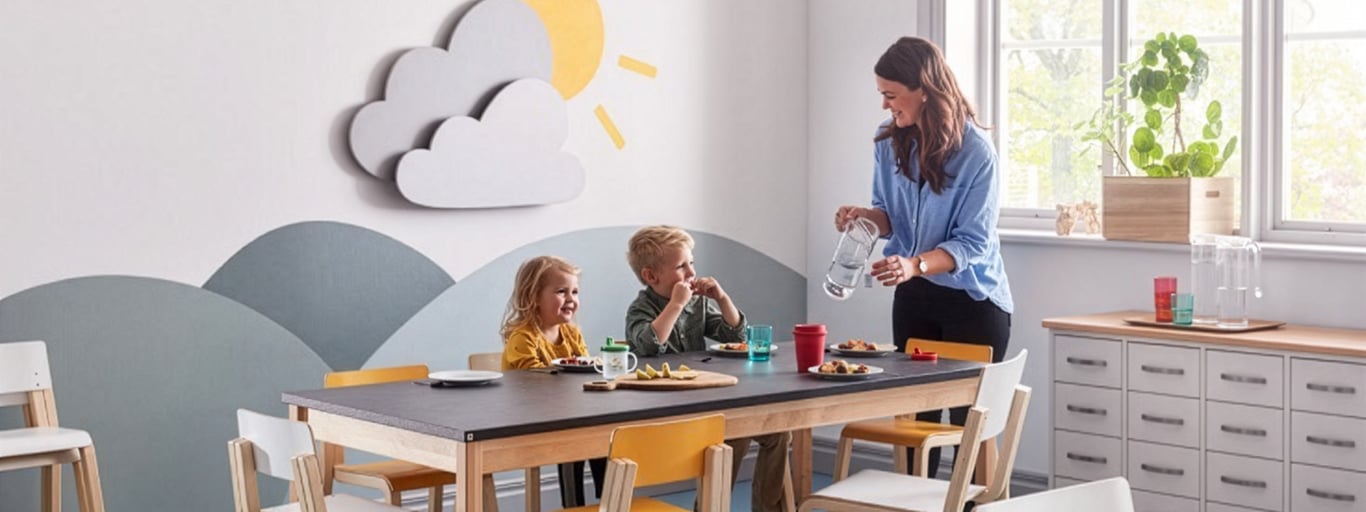
How to protect children from environmental toxins at school
How do chemicals affect our children?
Poisons, hazardous chemicals and hormone disruptors are hidden throughout schools and preschools. They are present in everything from plastic toys and soft toys to upholstery, detergents and food. Because children touch, hold and even lick toys as well as often playing on the floor, they are more vulnerable to environmental toxins, which are most commonly spread in dust.
Research shows that preschools in particular have higher levels of chemicals present than other indoor environments, and the impact of these chemicals is alarming to say the least. High levels of endocrine (or hormone) disruptors such as phthalates, flame retardants and fluorescents are harmful to children’s development and increase the risks of numerous health issues.
Our goal as a company is to provide school furniture that is safe for our children and good for the future of our planet. There are also a lot of simple things you can do to create a healthier environment for children. Here are 10 easy tips for minimising harmful chemicals in schools.
Bye bye, toxins!
- Check all soft plastic toys. These often have high levels of hazardous chemicals.
- Avoid any toys that smell like perfume or plastic. This is a clear sign that the material most likely includes phthalates.
- Avoid PVC as much as possible. It is often made using substances that are poisonous or hormone disruptive.
- Never let children use old, disused electrical equipment as toys. Put them out for recycling instead.
- Replace plastic utensils, plastic bowls and cling film with alternatives such as glass or porcelain. When plastic gets warm, environmental toxins leak out into the food.
- Avoid purchasing food in metal containers or cans.
- Always wash newly purchased textiles such as soft toys, blankets, sheets and mattresses before use.
- Change the menu to include more organic food options.
- Clean the premises before or after the school day. Don’t forget to air out the rooms and wash the floors.
- Choose environmentally-friendly, scentless and hypoallergenic soap, laundry detergent, washing liquid and cleaning products.
A choice that makes a difference
The idea to offer eco-labelled furniture for schools and preschools was born from a desire to be at the forefront of environmental consciousness. For us, it was not just about products, but it was a chance to make a difference in an environment where children spend several hours a day. By selecting products that carry the Nordic Swan Ecolabel, you are making a conscious and responsible choice both for the environment and for the children in your care.
To produce a Swan labelled furniture collection, completely free of chemicals and toxins, was a process that required careful control and development. Even the varnish and glue had to be checked! Our focus was to produce durable and sustainable school furniture that lasts for years to come but also reduces children’s exposure to hazardous chemicals. That’s exactly what our Nordic Ecolabelled collection offers: an environmentally-friendly alternative that does not compromise on quality or durability.
FAQ
- Children’s bodies are still developing, and they breathe, eat and drink more relative to their body weight than adults do. Their behaviours such as playing on the floor, touching objects, or even putting toys in their mouths, mean they come into contact with chemicals more easily. Because their organs and hormone systems are still maturing, toxins can have a greater impact on their long-term health.
- Many everyday items release small amounts of chemicals into the environment. These include:
- Soft plastic toys containing phthalates.
- Old electronics emitting flame retardants.
- PVC in flooring or furniture.
- Cleaning agents and detergents with artificial fragrances.
- Dust containing residues from building materials or furniture.
- Long-term or frequent exposure can disrupt the hormone system, affect neurological development and increase the risk of allergies and respiratory issues. Research has shown that certain substances (like phthalates and flame retardants) can act as endocrine disruptors, interfering with normal growth and development.
- Simple daily changes can make a big difference:
- Regularly clean and ventilate classrooms.
- Use scent-free, eco-friendly cleaning products.
- Avoid warming food in plastic containers.
- Replace soft PVC-based materials with safer alternatives.
- Wash new textiles before use to remove chemical residues.
- Choose eco-labelled furniture and school supplies.
- The Nordic Swan Ecolabel is one of the most trusted and comprehensive environmental certifications in the world. It assesses every stage of a product’s life cycle from raw materials and manufacturing to use and disposal and ensures minimal chemical content and environmental impact. By selecting eco-labelled school furniture, educators are taking an important step toward a safer, healthier learning environment.
- Yes. School furniture is used daily and contributes significantly to indoor environmental quality. Eco-labelled furniture eliminates toxic finishes, adhesives, and coatings, reducing the chemicals that enter classroom air and dust. It’s also built to last, making it a sustainable and long-term investment for both children’s health and the planet.
- Parents can:
- Discuss healthy environment goals with schools or parent-teacher associations.
- Support eco-conscious purchasing decisions.
- Encourage donation or recycling programmes for old materials.
- Share information about safe cleaning and storage habits at home.
- Not necessarily. It’s about how cleaning is done. Excessive use of harsh chemicals or perfumed products can worsen indoor air quality. Gentle, scent-free, and eco-certified cleaning products are safer options. Regular dusting, vacuuming with HEPA filters, and airing out rooms are simple, effective measures.
- Not all green-labelled products meet the same safety standards. Always look for certified ecolabels like the Nordic Swan, EU Ecolabel, or Blue Angel, which verify both environmental and health criteria.
- Choose glass or stainless-steel lunch boxes instead of plastic.
- Replace air fresheners with fresh air and open windows.
- Buy durable, high-quality furniture with verified ecolabels.
- Involve children in recycling and eco-awareness activities to form good habits early on.