- AJ Products UK
- Inspiration
- Ergonomics in the workplace
- Sudden tailbone (coccyx) pain? Try these 5 simple exercises!
Sudden tailbone pain? Try these 5 simply exercises!
The coccyx, or tailbone, is an essential part of your skeletal structure that often bears daily pressure. Do you feel discomfort while sitting or pain when standing up from your office chair? This small yet vital bone at the base of your spine may be the cause. Luckily, there are several ways to alleviate and prevent tailbone pain. Discover ergonomic tips to improve your office setup, along with five effective stretching exercises to help ease discomfort and promote long-term relief.
Where is the coccyx and what is its function?
The coccyx, often referred to as the tailbone, is a small bone situated at the base of the spine, beneath the sacrum. While it's commonly believed to serve no purpose, it actually plays a vital role. Several muscles, ligaments, and tendons in the hip and pelvic floor connect to the coccyx, contributing to overall stability and support.
Recognising Symptoms
Pain in the coccyx often arises during movements like sitting down or standing up, and can even be felt while walking or running. It can cause intense, strong, sore, or dull sensations.
In an attempt to relieve the pain, it's easy to end up in unnatural sitting positions that in turn affect your back and cause problems with it as well. For some, it can be difficult to stand up for long periods of time.
Possible causes of tailbone pain
A fall on your bum!
Issues often stem from trauma or injury, such as experiencing tailbone pain after a fall on ice or stairs. Following impact to the tailbone, pain can onset immediately or emerge long after the incident, sometimes even years later.
Poor Posture
Incorrect sitting positions put strain on the vertebrae and back joints, potentially resulting in tailbone pain. The connection between the pain and your posture may not be immediate, it can occur much later.
Prolonged Sitting
Static and sedentary work can overload the coccyx and its ligaments, leading to discomfort in the coccyx and lower back. This discomfort may be exacerbated by inadequate chair selection and poor ergonomics in the workplace.
Insufficient Physical Activity
Uneven strain and tension lead to poorer function in the joints of the back – and a weakened back is more prone to injury. If you have pain in your tailbone, it may be due to reduced mobility in your back and is easy to counteract through increased physical activity.
Changes in the office that can help
Many are aware of the harms of prolonged sitting, yet the underlying reasons to avoid it aren't always clear. It's easy to find oneself stuck at a desk for extended periods. Do you identify with this scenario? Then consider these solutions:
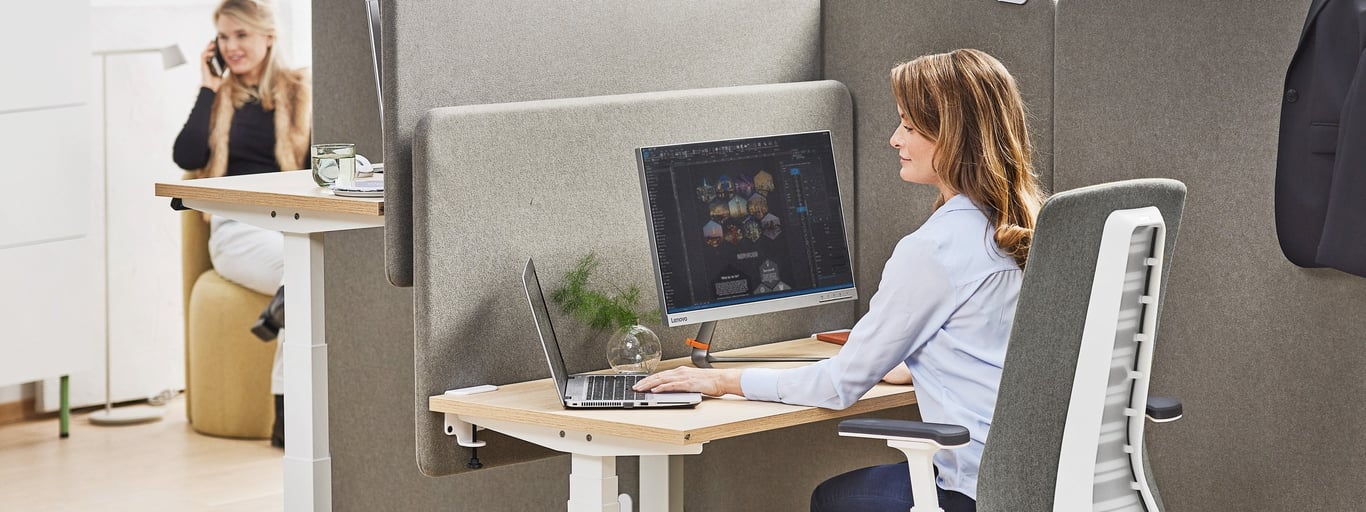
- Swap your office chair
- Choose a sit-stand desk
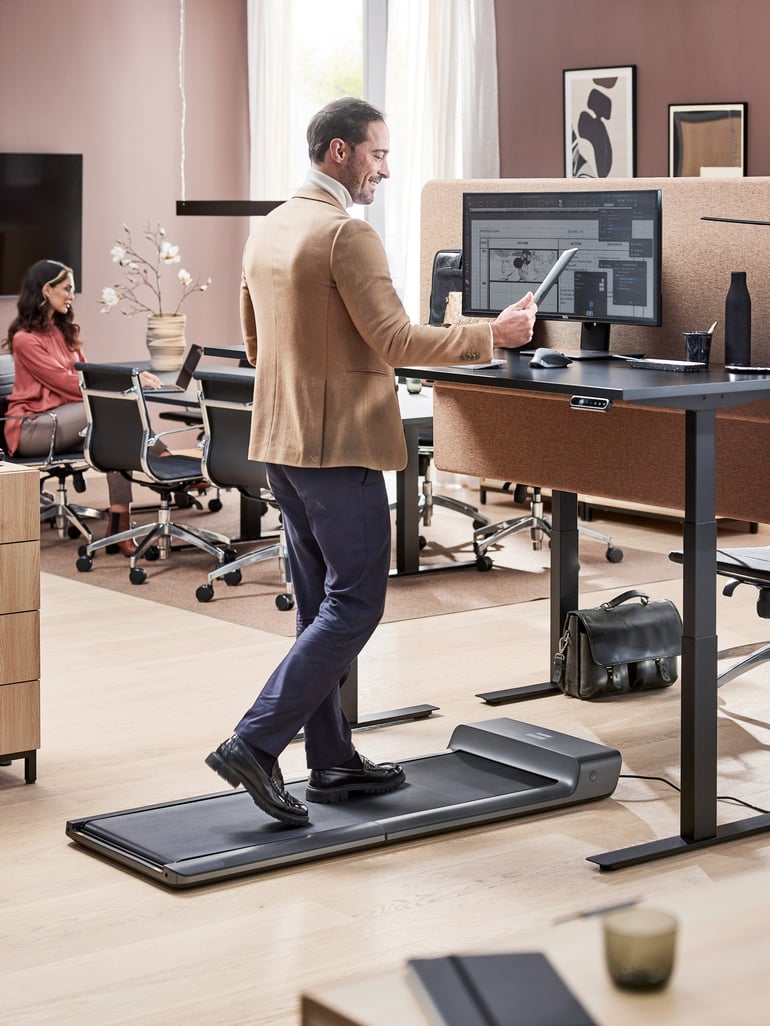
- Take walking breaks
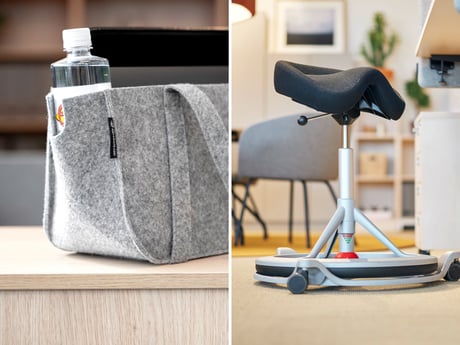
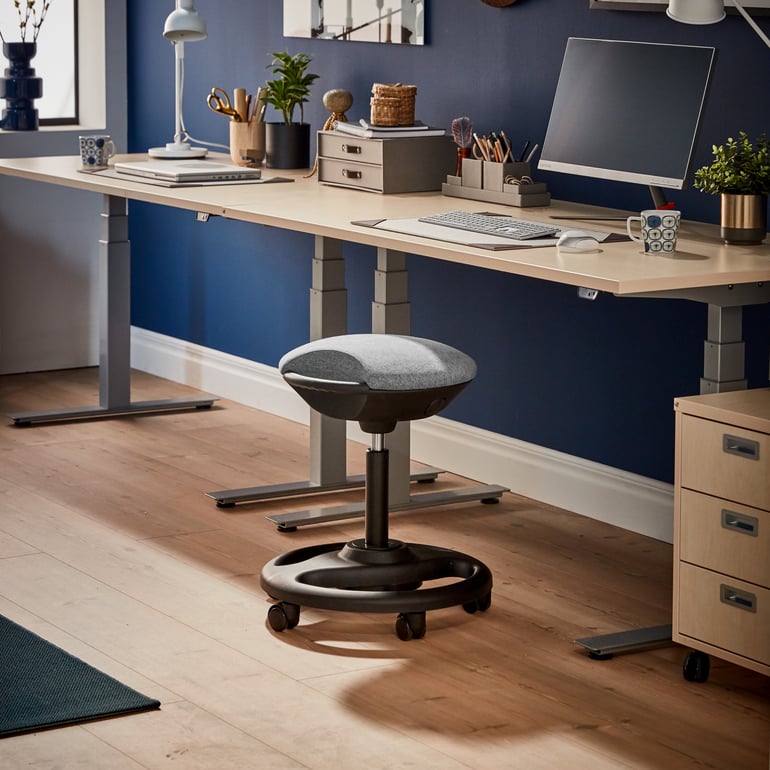
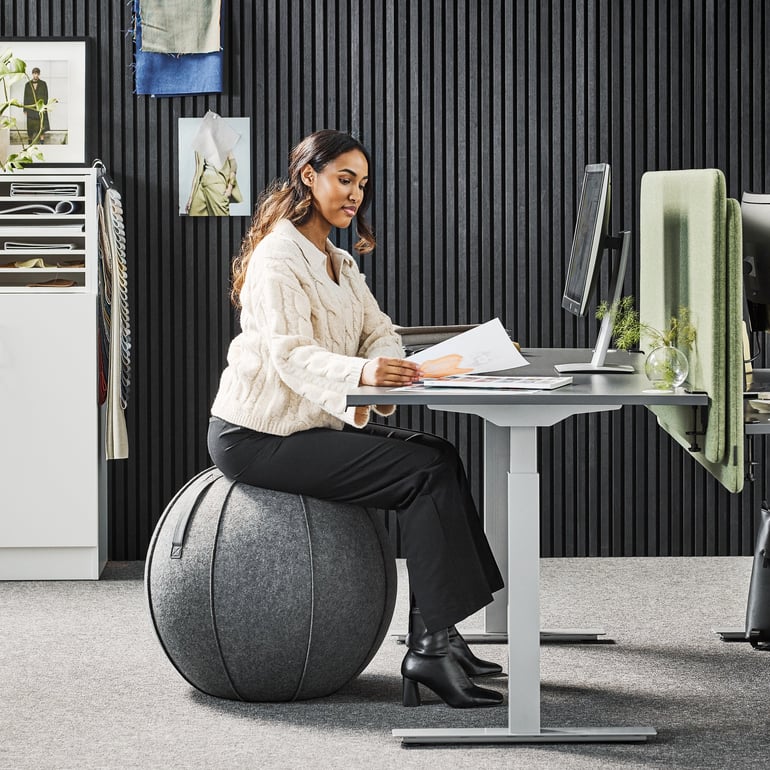
- Switch to active seating
For office workers, who often spend prolonged periods seated, it's especially crucial to vary their posture throughout the day. Movement helps alleviate muscle and joint stiffness. Transitioning to active seating not only provides physical activity while working but also promotes better posture, reducing the risk of lower back pain.
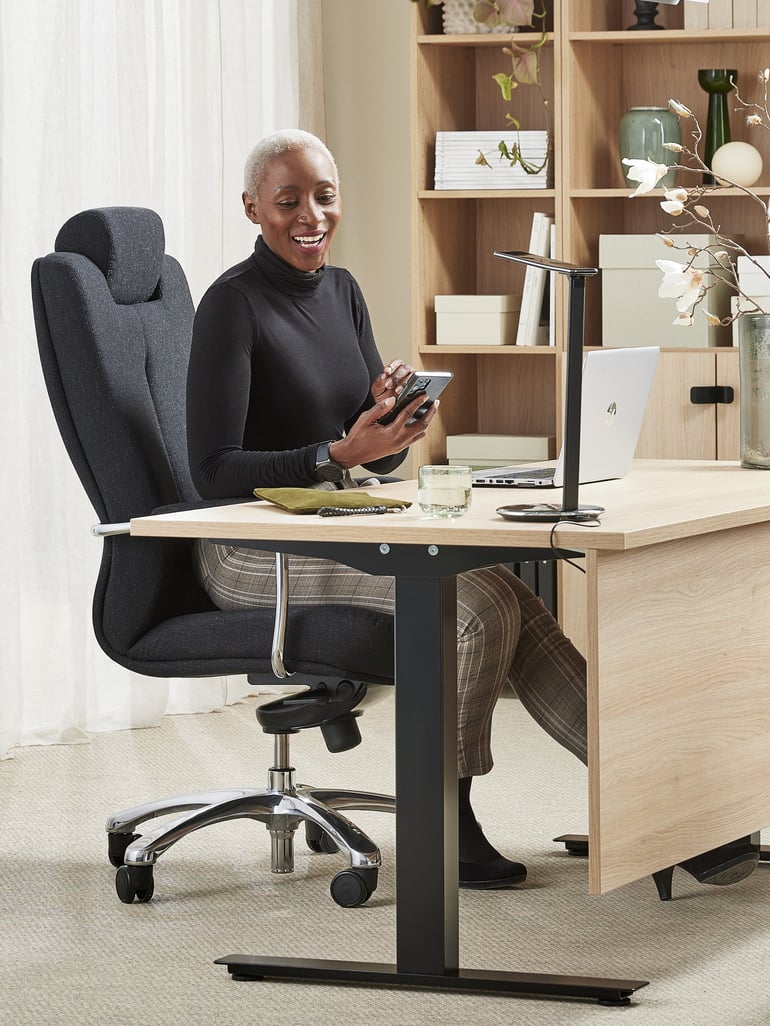
If you're experiencing discomfort while sitting, it might be time to reassess your chair choice. Investing in a suitable office chair is crucial, especially for those working from home. Look for key features such as a soft seat, lumbar support, and adjustable seat depth when upgrading your chair. Prioritising these aspects can significantly enhance comfort and support, particularly for your tailbone, ensuring a more productive and pain-free work experience.
Exercises that relieve pain in the tailbone
Alongside an ergonomic workspace, stretching can provide the relief your body needs. By increasing mobility and reducing strain on the coccyx, you can gradually diminish the pain. Give these exercises a try:
- Lie on your back, bend your right leg, and let it fall over your left side, almost touching the floor. Stretch your arms out to the sides and turn your head to the right. Hold for 30-60 seconds, then repeat on the opposite side. This exercise enhances back mobility, aiding in relief while walking or running.
- Lie on your back with knees bent and feet on the floor. Cross your left foot over your right thigh, feeling a stretch in your glutes. For a deeper stretch, gently pull your right leg toward you. Hold for 30-60 seconds, then switch sides. This stretch reduces tension in the gluteal muscles connected to the coccyx, promoting flexibility and relief.
- Lie on your back, bend your legs, and bring the soles of your feet together. Allow your knees to fall to the sides while pulling your feet towards your body. Hold for 30-60 seconds, focusing on softening the hips and groins to alleviate coccyx discomfort.
- Begin standing with feet slightly apart, then squat down, aiming to lower your buttocks towards your heels. Hold for 30-60 seconds to relieve tension in the lower body. This is good for reducing tension in the pelvic floor and pain around the tailbone.
- Lie flat on your back. Lift your left leg with bent knee towards your ribcage and press lightly toward the body until you feel the muscles stretch. Hold for 30-60 seconds and repeat with the opposite leg.
Stretch every day to build up mobility and strength in your body in the long term. Perform the exercises on your own or make it a group activity in the office.

Summary
Coccyx pain can stem from various factors including falls, poor posture, and lack of physical activity. However, by incorporating ergonomic adjustments in the workplace and doing regular stretching exercises, it's possible to alleviate and prevent discomfort while sitting or standing. For severe issues, seeking professional care is recommended.
Are you seeking ergonomic office solutions? Reach out to our team. At AJ Products, we're dedicated to assisting you with everything from individual products to comprehensive workplace design solutions.
FAQ
- If the pain is very severe, does not improve with self-help or lasts for several weeks without getting better.
- Yes, it can even be beneficial as exercise and specific stretching exercises can contribute to pain relief. Avoid exercise that causes more pain.
- It can vary greatly. Sometimes the pain goes away after just a few days, but in some cases it can take several weeks or months for the pain to go away.