Skip to content
Excl. VAT
Free delivery over £1000 (ex VAT)
7 year guarantee
Unbeatable customer service
Our UK showroom is open! Book your visit
01252 359760
info@ajproducts.co.uk
Log in | Create account
Products
Office & Conference
Warehouse & Workshop
Changing room
Canteen
Reception & Lounge
Outdoor
School
New products
Popular ranges
Clearance
Close menu
Inspiration
Close menu
Our services
Close menu
We recommend
Customer service
Online quotes
AJ Products UK
Inspiration
Tips & trends
Tips to Inspire Happiness at work
All themes
Tips & trends
Improving the work environment
Ergonomics in the workplace
Buying guides
Case studies
About AJ
Leadership
Style concepts
Tips & trends
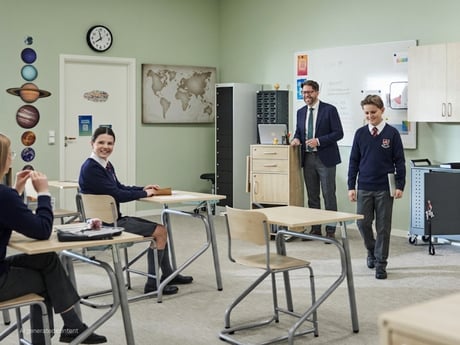
How to store mobile phones in school under the new phone-free law
Tips & trends
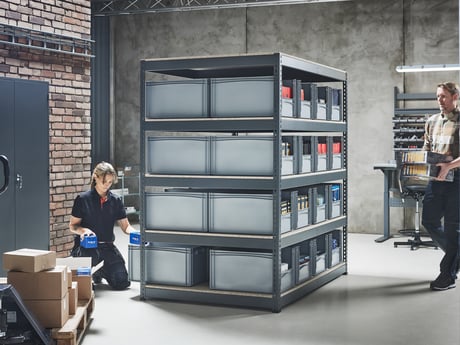
How to utilise storage space in your warehouse
Tips & trends
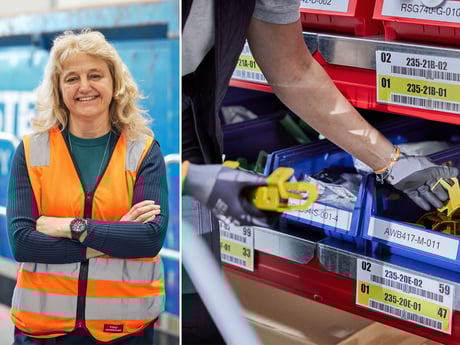
How spare parts give products a longer life
Tips & trends
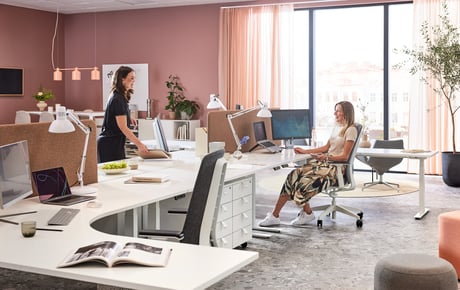
One Simple Design Choice That Can Transform a Workspace in 2025
Tips & trends
A productive day, a safe return: Building a warehouse that works for everyone
Tips & trends
New trend: How biophilic office design creates a better work environment
Tips & trends
How the Warehouse’s 'Most Dangerous Machine' Was Mastered
Tips & trends
Increase industrial safety with clear signage and floor markings
Tips & trends
Supporting Students with Neurodiversity: Tips for a Smooth Return to School
Tips & trends
15 Tips for a Productive Office Environment
Tips & trends
Warehouse of the future - Trends for 2024
Tips & trends
Why are lighter tones in your office interior important for reducing stress?
Tips & trends
How hybrid working can produce even better results for businesses
Tips & trends
Tips from an acoustics expert for a better sound environment at school
Tips & trends
QBUS – functional storage for innovative officesfices
Tips & trends
Office interiors are instrumental in creating a strong image
Tips & trends
Make room for creativity and wellbeing
Tips & trends
Sofas the way you want them, that's VARIETY
Tips & trends
Four benefits of efficient logistics flow
Tips & trends
Tips for more efficient warehouse logistics
Tips & trends
Optimise your warehouse with expert storage solutions
Tips & trends
Your online business is growing – is your warehouse ready?
Tips & trends
How to hold successful virtual meetings
Tips & trends
Policy for hybrid working
Showing 24 of 99 posts
Show more
Office & Conference
Warehouse & Workshop
Changing room
Canteen
Reception & Lounge
Outdoor
School
New products
Popular ranges
Clearance
Customer service
Online quotes
Inspiration
Our services
We recommend
Log in | Create account
Excl. VAT
Seems like your browser does not have JavaScript enabled, this is needed to be able to use the site