- AJ Products UK
- Blog: Tips to Inspire Happiness at work
- Tips & trends
- How to reduce and recycle waste at events

Event waste management: How to reduce, recycle and dispose of waste at events
Without a clear event waste management plan, recyclable materials often end up mixed with general waste, increasing disposal costs and environmental impact. By introducing structured waste segregation systems, clearly labelled event recycling bins, and effective waste disposal planning, organisers can dramatically improve recycling rates while keeping venues clean and safe.
Implementing better event waste management practices can also reduce waste disposal costs, demonstrate environmental leadership and help attract environmentally conscious visitors.
Choosing the Right Event Recycling Bins
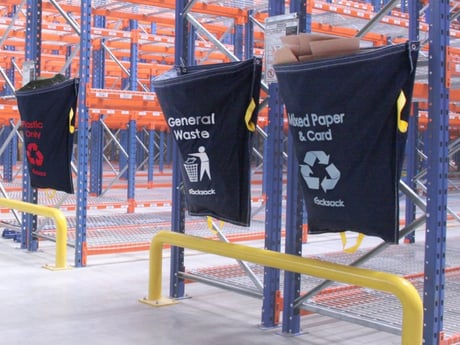
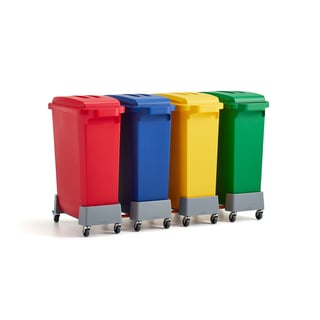
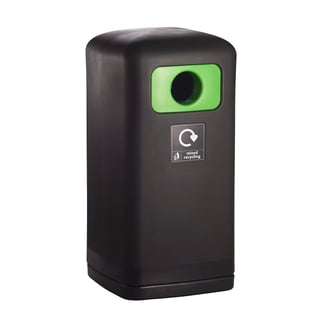
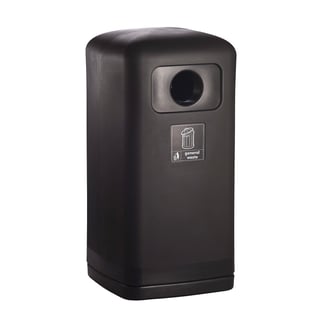
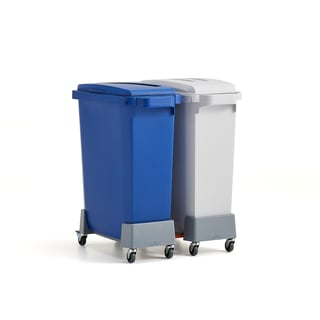
Recycling bins are one of the most important tools for effective waste management at events. Visitors should be able to identify the correct bin and dispose of their waste easily. Typical recycling stations at events include:
- Plastic bottles recycling bins
- Paper and cardboard recycling bins
- Food waste bins
- Glass recycling containers (often placed behind food service areas)
- General waste bins
Restrict the waste coming into your venue
Many venues already limit what items visitors can bring inside, particularly outside food and drink. Restricting certain items can make waste management easier and help control the types of materials entering the venue. Make it clear to visitors before the event what items will be permitted into the venue. This information can be shared through social media, in pre-event communications, ticket confirmation emails and on your website so that everyone is aware. Make sure you place large capacity waste and recycling bins at venue entrances allow visitors to dispose of unwanted items before entering.
Make recycling easy for visitors
For recycling systems to work, they must be simple and convenient for visitors. Recycling bins should be placed in high-traffic areas such as entrances, walkways, food courts and seating areas.
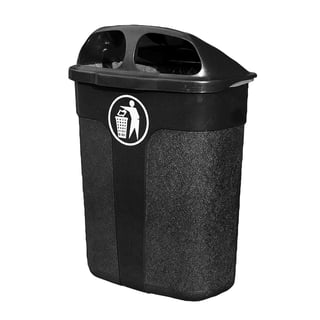
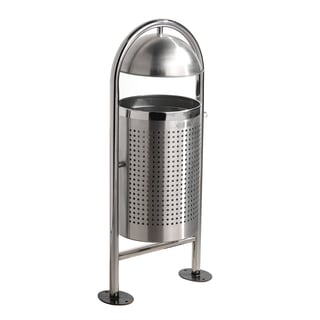
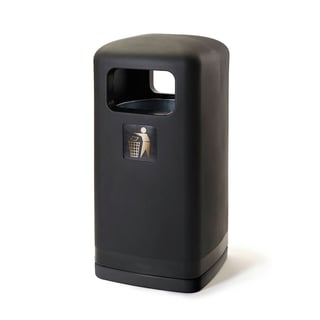
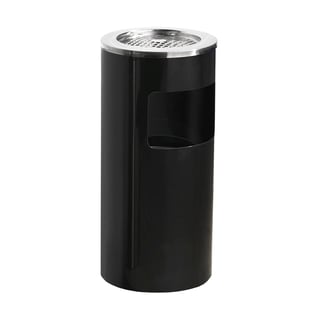
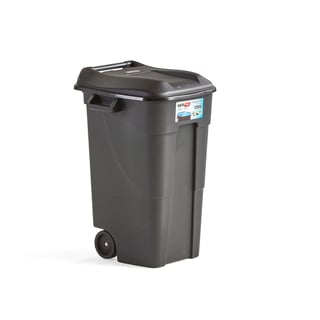
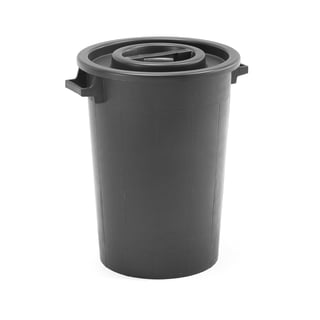
Waste and recycling bins for events





Encourage Visitor Participation
- short videos shown on venue screens
- social media campaigns before the event
- announcements during breaks
- recycling reminders printed in programmes
Work with vendors to reduce waste
It is important to work closely with vendors and concession stands as they will be responsible for a large amount of the venue’s waste. Make it part of your contract with vendors that they must use packaging and containers that can either be recycled or composted after use. Also ensure that they are recycling their behind-the-counter waste.
Don’t forget areas outside the venue
Areas surrounding the venue should also be covered by your recycling scheme. Setting up recycling bins in the car park, entrances and surrounding steets is an effective way of encouraging pre-and post-event recycling, and benefits the site by improving your standing among the local community. Outdoor recycling stations can be particularly useful during large festivals or stadium events where visitors spend time gathering outside before entering.
Planning event waste disposal after the event
Waste management does not end when the event finishes. Organisers must also plan how waste will be collected, sorted and processed afterwards.
- recyclables are collected separately
- food waste is composted where possible
- general waste is disposed of safely
- recycling contamination is minimised
Event waste management checklist
- Identify the main waste streams
- Install clearly labelled recycling bins
- Place waste stations in high-traffic areas
- Brief vendors on packaging requirements
- Arrange waste collection and recycling services
- Communicate recycling guidelines to visitors