- AJ Products UK
- Inspiration
- Improving the work environment
- How screens can help create a safe yet productive workspace
How office screens improve privacy, acoustics and productivity at work
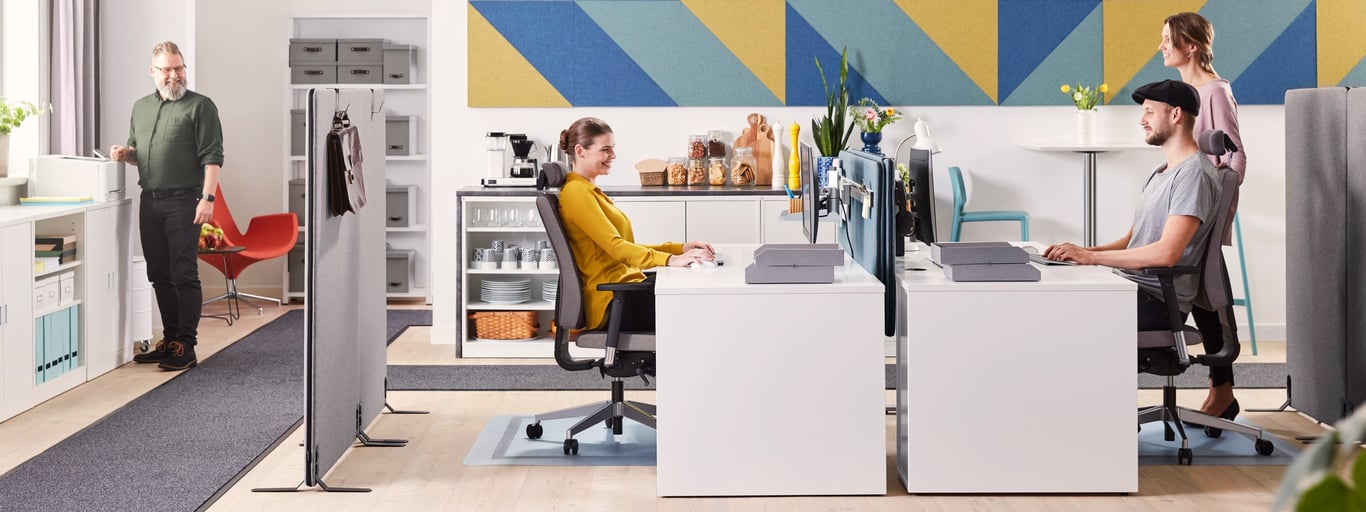
That low-level distraction is part of everyday life in many offices. It’s not always loud, not always obvious but over time, it chips away at focus.
Why office screens still matter in modern workplaces
Creating focus in open-plan offices
Reducing noise without redesigning the office
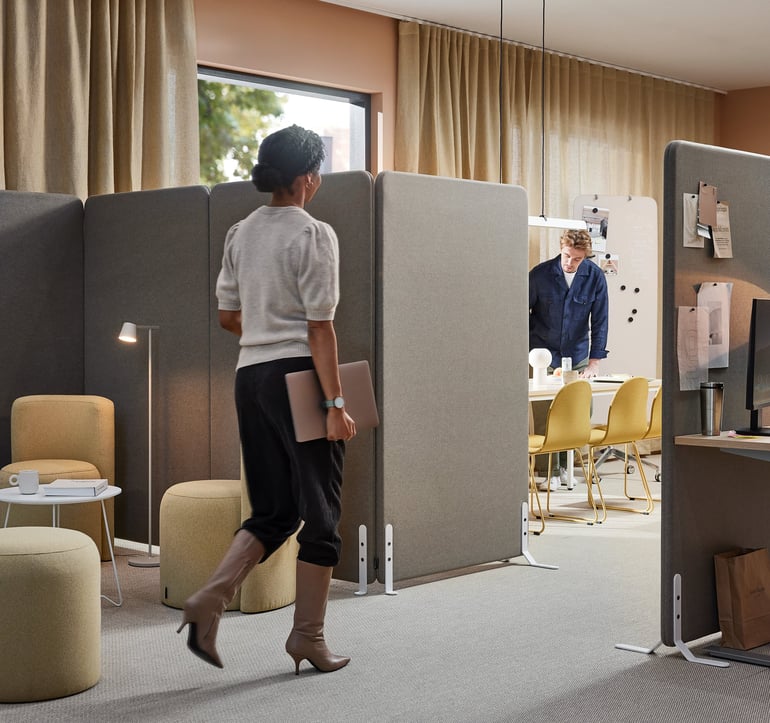
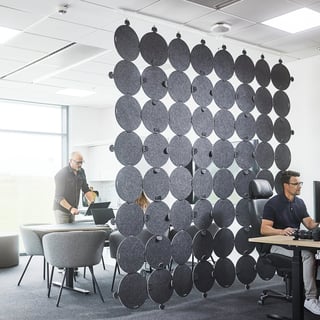
Smarter zoning without building walls
- separate desk areas from walkways
- create breakout spaces
- form small meeting areas
- define quieter corners for focused work
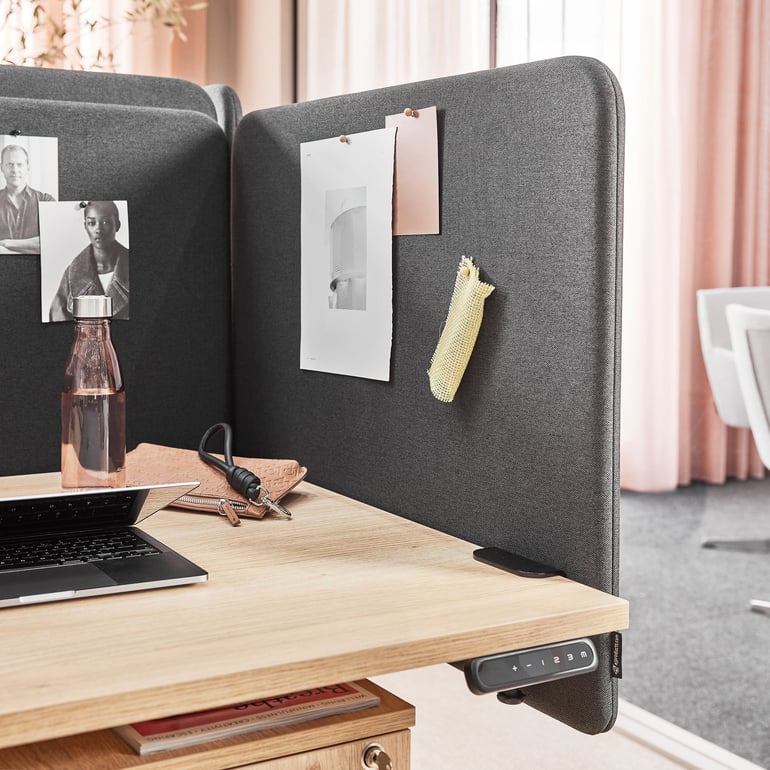
Privacy without isolation
Privacy is one of the biggest challenges in open offices and one of the most overlooked.
When people feel constantly overlooked or overheard, it can affect how they work. Even small things, like taking a call or focusing on detailed tasks, become harder.
Office screens help create a balance providing visual privacy, by reducing direct lines of sight and acoustic privacy, by limiting how far conversations carry. So they allow people to feel more at ease without removing the benefits of a shared workspace.
Supporting flexible and hybrid working
As hybrid working becomes more common, offices need to support a wider range of activities. Some of them are collaborative. Others require focused, individual work. The workspace needs to handle both.
Screens make this easier. They can be moved, reconfigured and adapted to different setups: hot-desking areas, temporary project spaces or quieter zones. It’s this flexibility that makes them a practical long-term investment.
Using office screens beyond the desk
- separate dining areas in staff canteens
- create quieter corners in breakout spaces
- add structure to reception or waiting areas
A subtle boost to workplace design
Types of office screens and when to use them
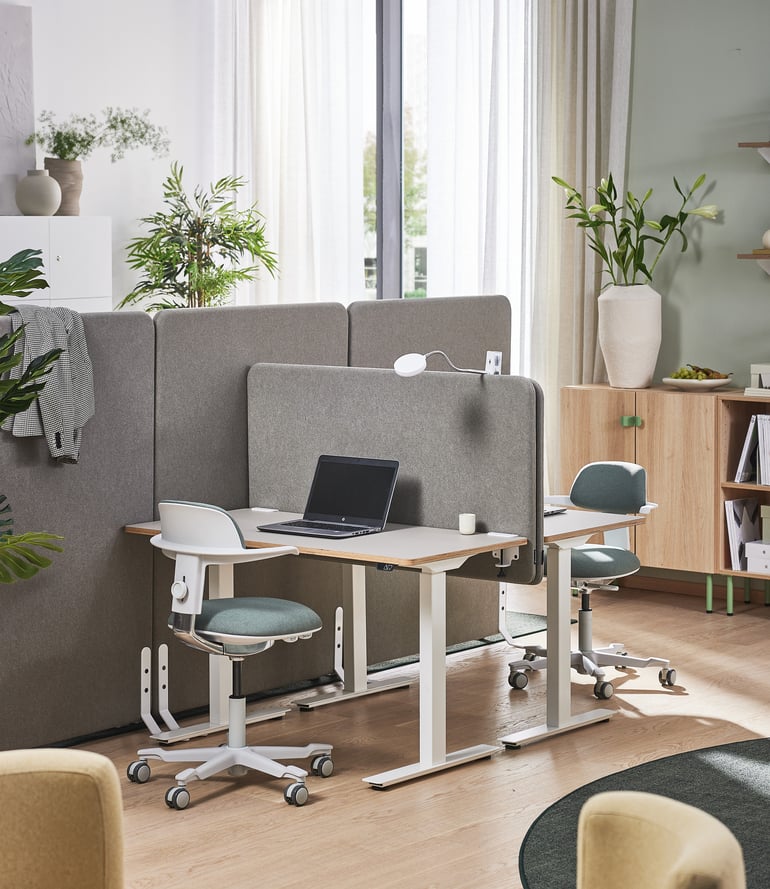
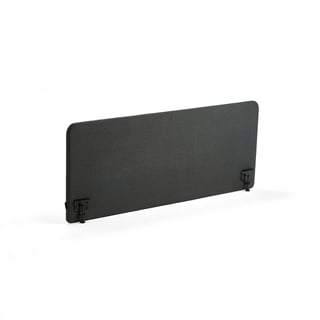
- Desk screens: Ideal for improving focus at individual workstations
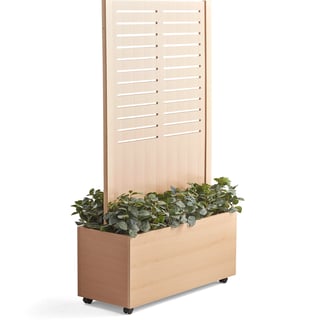
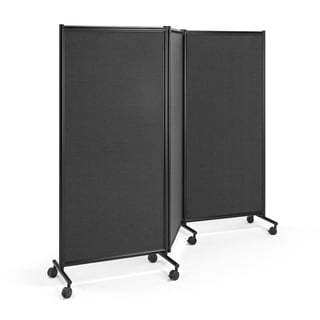
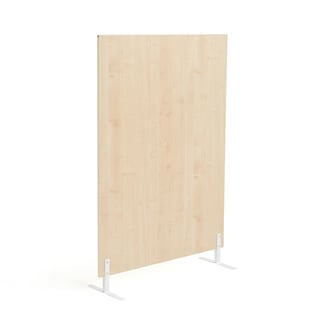
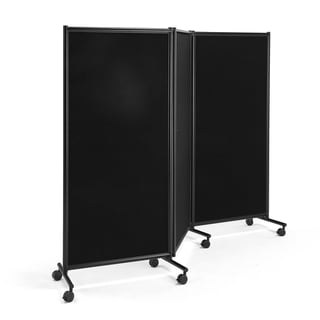
- Floor-standing screens: Best for zoning and flexible layouts
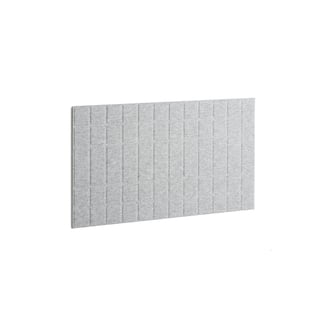
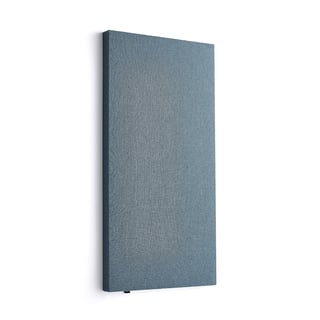
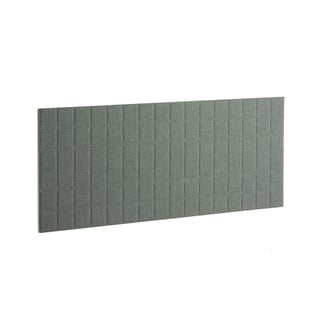
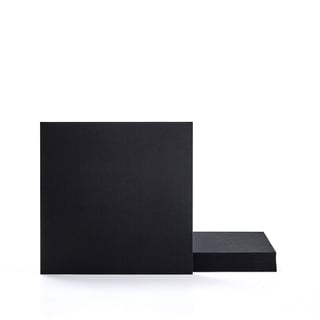
- Acoustic screens and panels: Designed to reduce noise and improve sound quality
Common mistakes to avoid
- Using too many screens, this can make a space feel closed off
- Placing them without a plan, layout still matters
- Assuming all screens reduce noise, acoustic materials are key
Do office screens really make a difference?
A more flexible way to shape your workspace

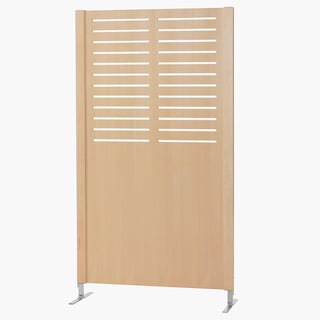
- Between desks, around meeting areas or along walkways to reduce distractions and define different zones.
- Yes, they’re designed to improve privacy and acoustics while maintaining an open feel.
- Most floor-standing screens are flexible and can be repositioned as your workspace evolves.
- They can. By reducing noise and visual distractions, they help create an environment where people can focus more easily.